
BPJS Kesehatan Calls for Premium Adjustment After Five Years
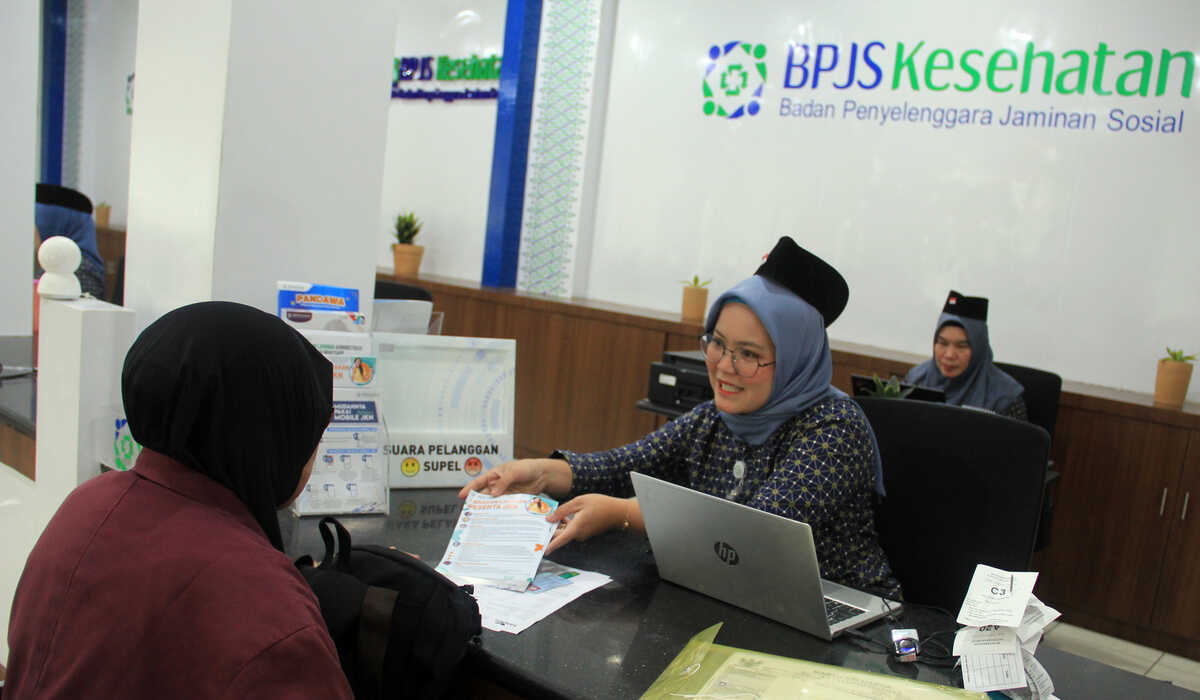
The Head of Public Relations at BPJS Kesehatan, Rizzky Anugerah, responded to the Minister of Health’s statement regarding an increase in JKN participant premiums. According to Anugerah, the premiums should be reviewed at least every two years, but it has been over five years since the last adjustment.
“Presidential Regulation Number 64 of 2020 mandates that the premium amount be reviewed at least every two years, using standard actuarial practices for social security that are commonly and generally applicable. This premium review should at least consider inflation, the cost of health insurance, and the public’s ability to pay premiums,” he said to Media Indonesia on Wednesday (February 25).
“This means that it has been over five years since the JKN premiums were last adjusted. Meanwhile, during this period, many changes have occurred, including inflation in healthcare costs, the prices of medicines, goods, and medical services, and even healthcare service rates have increased. There has also been a rebound effect in the utilisation of healthcare services after the Covid-19 pandemic,” Rizzky continued.
Furthermore, in 2023, there was an adjustment in service rates according to Minister of Health Regulation Number 3 of 2023, which caused a significant increase in healthcare service costs for certain benefit packages (diagnoses).
In addition, the increasing number of JKN participants has also impacted the increase in utilisation.
With these conditions, BPJS Kesehatan hopes that the government can evaluate the JKN program premiums so that adjustments can be made.
“BPJS Kesehatan does not have the authority to make adjustments to JKN premiums. Regarding premium adjustments, the DJSN (Directorate General of Social Security) is the leading sector in the process. However, from BPJS Kesehatan’s perspective, in order to maintain the sustainability of the JKN program, we hope that the government can evaluate the JKN premiums so that they can be adjusted to the factual conditions. Of course, this must also be carefully considered with various parties and must take into account the financial conditions and ability to pay of the public,” he said.
Rizzky emphasised that, to date, the premium amounts applicable to JKN participants still refer to the applicable Presidential Regulation. For JKN participants in the Non-Employee Workers (PBPU) segment or independent participants, the premiums are IDR 150,000 for Class I, IDR 100,000 for Class II, and IDR 42,000 per person per month, with a subsidy of IDR 7,000 per person per month from the government, so that participants in Class III only pay IDR 35,000. (H-3)
The total amount of outstanding JKN membership premiums in Babel (Bangka Belitung Islands) reached IDR 191 billion.
BPJS Kesehatan should focus on helping the less fortunate. Meanwhile, wealthier people can obtain health services from private insurance.
Nurhadi hopes that with this policy, JKN membership that has been inactive due to arrears can be reactivated soon.
The statement by Finance Minister Purbaya Yudhi Sadewa that the increase in BPJS Kesehatan premiums will only be carried out if national economic growth is above 6 percent is considered inappropriate.
Minister of Health Budi Gunadi Sadikin declined to answer questions about the JKN premium rates for next year.