
BPJS Health PBI and Non-PBI: The Differences and How to Check Your Status
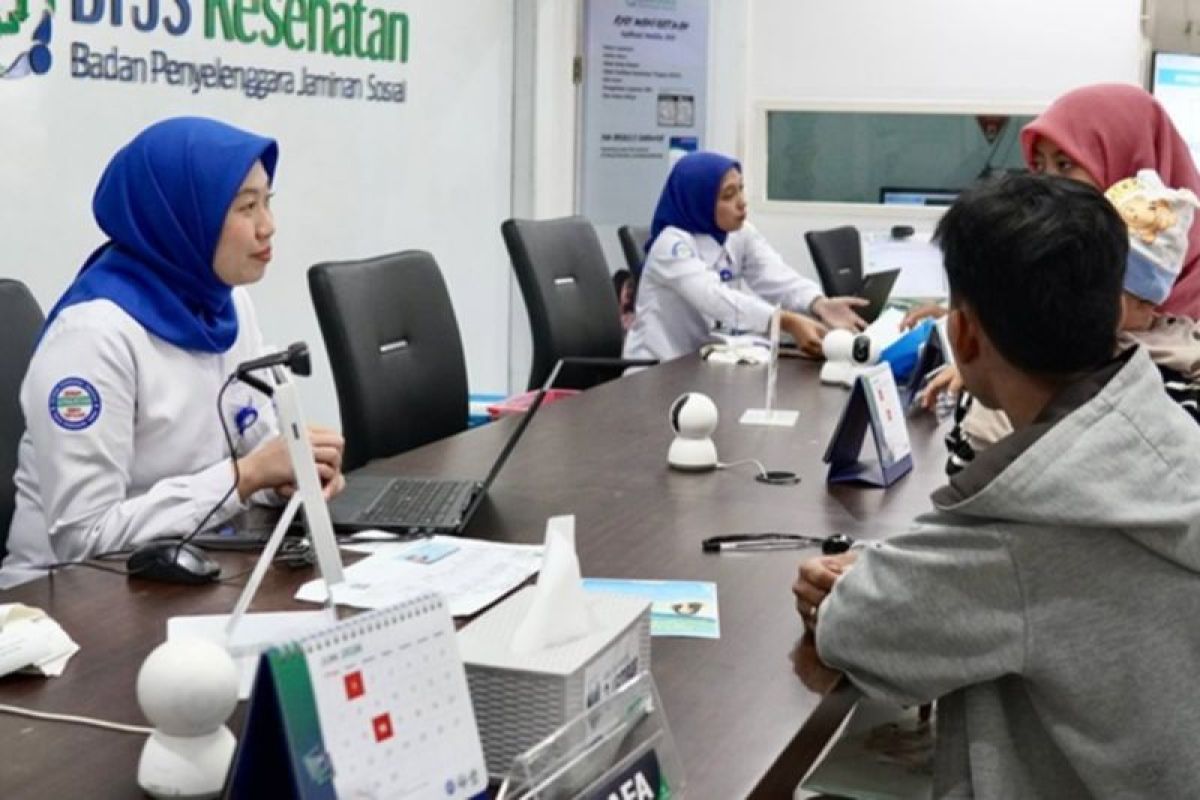
Jakarta (ANTARA) — BPJS Health membership is divided into two main groups: Contribution Assistance Recipients (PBI) and Non-Recipients of Contribution Assistance (Non-PBI). Both are part of the National Health Insurance (JKN) programme, but differ in eligibility criteria, registration procedures and how contributions are paid.
PBI is intended for people who are poor or unable to afford contributions and meet the eligibility criteria for assistance. The contributions for this group are paid by the central government. Non-PBI members include salaried workers, self-employed workers and non-working groups who join the JKN programme in accordance with the applicable rules.
The division is set out in Presidential Regulation No. 82 of 2018 on Health Insurance, which has been amended several times, most recently by Presidential Regulation No. 59 of 2024.
What is BPJS Health PBI?
PBI Health Insurance is JKN membership intended for people who are poor or unable to afford contributions, as defined by government regulations. Contributions for PBI members are paid by the central government through the state budget (APBN), so members do not have to pay monthly contributions themselves while their membership remains active.
Eligibility for assistance is not based solely on a person’s statement that they are experiencing financial hardship. The data and criteria for recipients must comply with government rules and go through the applicable data-collection and approval process.
In 2026, procedures for changing PBI recipient data are governed by Minister of Social Affairs Regulation No. 3 of 2026. The regulation sets out requirements, data-change procedures and funding for PBI Health Insurance drawn from the National Single Social and Economic Data (DTSEN).
People who believe they meet the criteria but are not yet registered as PBI members can ask their local social affairs office or regional government about data collection and nomination procedures.
Non-PBI is the group of JKN members who do not fall into the Contribution Assistance Recipient category. It comprises several categories based on employment status and membership arrangements.
The following groups are classified as Non-PBI:
- Wage-earning workers (PPU)
This group includes people who receive a salary or wages from an employer, such as government employees and company staff. Contributions are paid under the applicable arrangement for workers and employers.
- Non-wage-earning workers (PBPU)
This group includes people who work or run a business independently, such as traders, freelancers and business owners who do not receive a salary from an employer. Contributions are generally paid by the members themselves, in accordance with the rules.
- Non-workers (BP)
This category includes groups defined as non-workers, including pension recipients and other categories covered by JKN regulations. Contribution arrangements depend on the type of membership.
There are also residents registered by regional governments under the PBPU or BP Pemda scheme. Under this arrangement, contributions are subsidised or paid by the regional government in accordance with the relevant rules and programmes.
Therefore, being a Non-PBI member does not necessarily mean that a person must pay the entire contribution themselves. For PPU members, for example, contributions are paid according to a division of responsibility between the worker and employer.
The main differences between the two groups lie in the eligibility criteria and the source of contribution payments.
PBI members are selected based on government criteria and data collection for people who are poor or unable to afford contributions. Their contributions are paid by the central government.
Non-PBI members are registered under categories such as employment, self-employment or non-working status. Contributions are paid according to the rules for each category, whether through an employer, directly by the member or under a regional government assistance scheme.
In terms of healthcare services, both PBI and Non-PBI members are participants in JKN. Entitlement to healthcare follows the programme’s rules, membership status, medical indications and applicable procedures. A member’s PBI classification does not automatically mean they receive different types of treatment simply because the government pays their contributions.
Members in both groups should also ensure that their membership remains active and follow the JKN service pathway. For non-emergency care, members generally begin by seeking treatment at the registered first-level health facility. Referral to a higher-level facility is provided according to medical need and the applicable rules.
How can you check whether you are PBI or Non-PBI?
People can check their membership information through the Mobile JKN app or by contacting BPJS Health’s official service channels. This allows them to check whether their membership is active and confirm the category recorded in the system.
If someone is registered as PBI but their membership is inactive, they can ask BPJS Health for an explanation. If the issue relates to recipient data or eligibility, they can consult the social affairs office or regional government about the review and nomination procedures under the latest rules.
Non-PBI members with administrative problems can follow up through their employer, BPJS Health’s official channels or the party responsible for their membership, depending on their category.
Checking membership status and data early can help people understand their rights and responsibilities under JKN. Knowing the difference between PBI and Non-PBI can also help members take the appropriate steps if they need to update their data or resolve an administrative issue.
Source: jawawa.id (https://jawawa.id/newsitem/bpjs-health-pbi-and-non-pbi-the-differences-and-how-to-check-your-status-1793029983)
Originally published by Antara (Indonesian) (https://www.antaranews.com/berita/5813223/bpjs-kesehatan-pbi-dan-non-pbi-ini-perbedaan-dan-cara-ceknya), translated from Indonesian