
BPJS Health: JKN Contribution Rates Unchanged
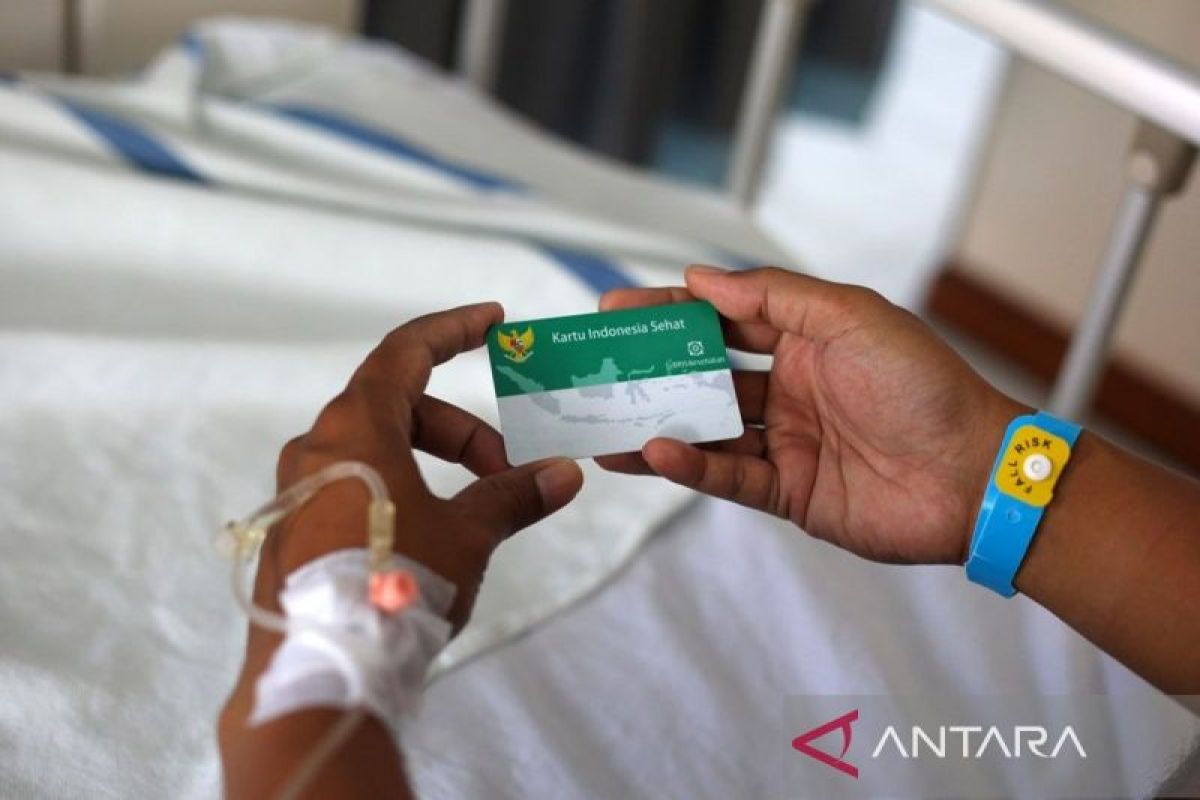
JAKARTA (ANTARA) - BPJS Health stated that the contribution rates for the National Health Insurance (JKN) scheme remain unchanged and have not increased, in response to various social media reports suggesting new BPJS contributions. BPJS Health’s Head of Public Relations, Rizzky Anugerah, in Jakarta on Friday, said the current contribution rates are based on the existing Presidential Regulation on Health Insurance. He warned the public to be cautious of incomplete information or misleading headlines suggesting an increase in contributions, which is not the case. ‘For JKN participants in the non-salaried worker segment (PBPU) or self-paying members, the contribution is Rp150,000 for Class I, Rp100,000 for Class II, and Rp42,000 for Class III per person per month, with a government subsidy of Rp7,000 per person per month, meaning Class III participants pay only Rp35,000,’ he said. He stated that the JKN programme ensures public access to healthcare without being burdened by high treatment costs. Costly conditions such as chronic kidney failure requiring regular dialysis, heart disease, cancer, thalassemia, haemophilia, and diabetes with complications involve substantial ongoing treatment costs. In such cases, the JKN programme serves as a crucial safeguard for the public. ‘For example, a coronary stent procedure for a JKN patient can cost up to Rp150 million. Imagine saving the same amount as the JKN contribution, say Rp35,000 per month for Class III. Saving Rp35,000 monthly would take 357 years to cover such an operation. However, with JKN, the cost is covered by contributions from 4,285 other healthy Class III members,’ Rizzky said. Rizzky noted that the JKN programme, implemented by BPJS Health, reflects the government’s commitment to providing public protection and ensuring widespread access to healthcare whenever needed. ‘Amid rising healthcare costs, JKN contribution rates have remained unchanged for years. This demonstrates that the JKN programme is maintained to be affordable, ensuring continued public health protection,’ Rizzky said. With the principle of mutual assistance, where healthy participants support those who are ill and those who can afford it help those in need, timely payment of contributions is key to the programme’s sustainability. Furthermore, adhering to contribution payments also helps maintain active membership status. In addition to maintaining active membership, the public is urged to adopt healthy lifestyles as a preventive measure. Promotive and preventive efforts are crucial to improving public health and reducing healthcare costs. ‘Mutual assistance is the cornerstone of the JKN programme. Therefore, all participants must maintain active membership and good health to continue benefiting from the scheme,’ he said.