
BPJPH Urges Preachers to Strengthen Halal Literacy Through Knowledge-Based Da'wah
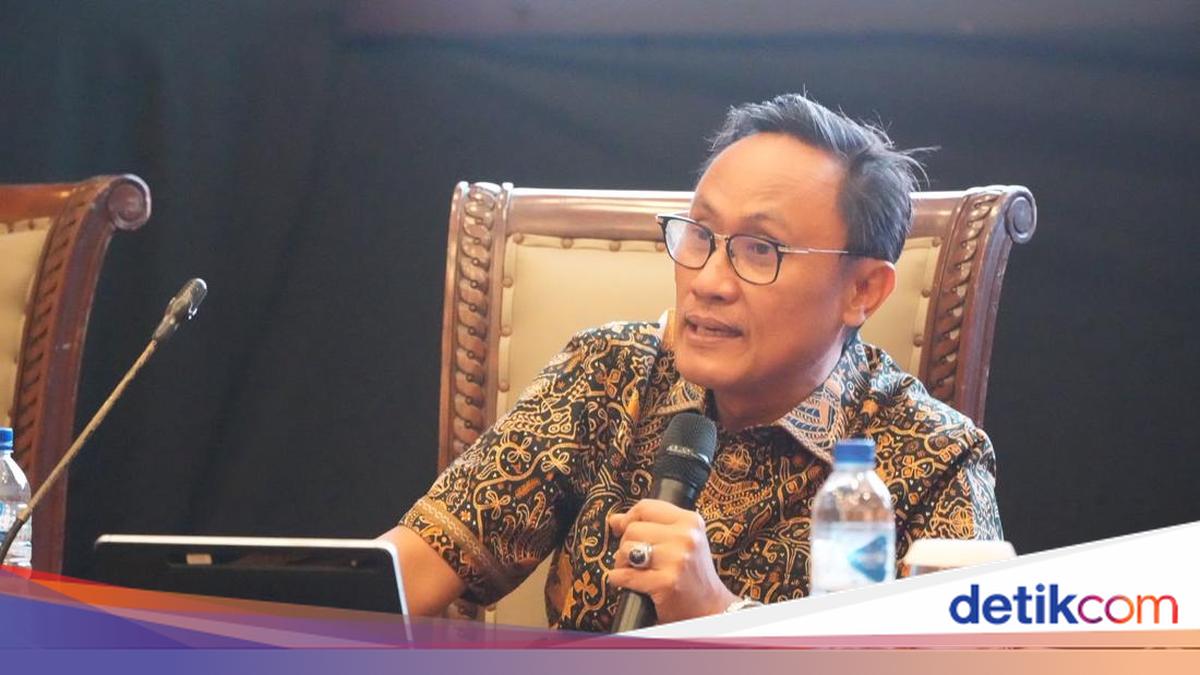
The Secretary-General of the Halal Product Assurance Organising Body (BPJPH), Muhammad Aqil Irham, has encouraged preachers (da’i and da’iyah) to strengthen halal literacy within communities. The move forms part of preparations for implementing the mandatory halal certification obligation, which takes effect on 18 October 2026.
Aqil explained that the close relationship preachers have with communities makes them key partners in delivering halal education that is easy to understand and relevant to daily life. In this way, public understanding of the importance of halal-certified products will grow, and the implementation of the mandatory halal policy can proceed more effectively.
“Preachers hold a strategic position in strengthening public halal literacy. Through enlightening, knowledge-based outreach, they can help people understand the importance of choosing halal-certified products while supporting the administration of Halal Product Assurance as mandated by law,” Aqil said in a statement on Monday (13 July 2026).
He made the remarks while speaking at a Training of Trainers (ToT) session for Islamic economy preachers in Mataram, West Nusa Tenggara, on Saturday (11 July 2026). The event was organised by Bank Indonesia as part of the Eastern Indonesia Sharia Economic Festival (FESyar KTI) 2026.
In a session titled ‘The Halal Lifestyle’, Aqil outlined the concept of halal in Islam, the urgency of Halal Product Assurance (JPH), and the development of the halal lifestyle, which has become part of modern consumers’ needs.
According to him, halal is no longer understood merely as a religious obligation but has evolved into a standard of quality, safety and a lifestyle increasingly sought after, particularly by the younger generation.
He explained that consumer behaviour has shifted, especially among young people who now treat halal-certified products as a growing market requirement.
“Today, halal-certified products are not simply about fulfilling religious requirements; they have become a market need. Young consumers are increasingly aware and selective. For them, choosing halal products is not only part of practising Islam but also a positive, modern and prideful lifestyle,” Aqil explained.
Therefore, business operators need to view halal certification as an investment to boost product competitiveness, rather than merely a regulatory obligation.
“If producers ignore this shifting market trend, their products will find it increasingly hard to compete. The law of the market is often harsher than the law of regulation. The market will choose products that meet consumers’ needs, including halal assurance,” Aqil said.
He added that the Halal Product Assurance regulation fundamentally has two main objectives: protecting consumers while enhancing competitiveness and added value for businesses.
“The halal regulation has two targets. First, to protect consumers so they have certainty about the halal status of the products they consume. Second, to provide added value for businesses so their products become more competitive, enjoy greater market trust, and can compete nationally and globally,” Aqil said.
He further stressed that strengthening halal literacy is a key factor in the successful implementation of the mandatory halal certification obligation effective from 18 October 2026.
A public that understands the importance of halal will become discerning consumers, while businesses will be increasingly motivated to meet their certification obligations in accordance with prevailing rules.
“Strengthening halal literacy through preachers is expected to raise public understanding while encouraging businesses to be better prepared for the implementation of mandatory halal certification from 18 October 2026,” he said.
On the occasion, Aqil also invited all stakeholders to strengthen collaboration in building a halal-conscious culture in Indonesia.
“Halal literacy is a shared responsibility. The government cannot work alone. We need the support of religious figures, businesses, academics, practitioners, communities, the media and all elements of society to continue expanding education, socialisation and literacy, as well as facilitating halal certification. The better the public understands halal, the stronger Indonesia’s halal ecosystem will be, and the more prepared we are to make mandatory halal certification a success,” Aqil concluded.
Source: jawawa.id (https://jawawa.id/newsitem/bpjph-urges-preachers-to-strengthen-halal-literacy-through-knowledge-based-dawah-1783911142)
Originally published by detikcom (https://news.detik.com/berita/d-8571324/bpjph-ajak-dai-perkuat-literasi-halal-lewat-dakwah-berbasis-pengetahuan), translated from Indonesian