
BPJPH States Halal Aspects Must Also Be Considered in Textile Industry
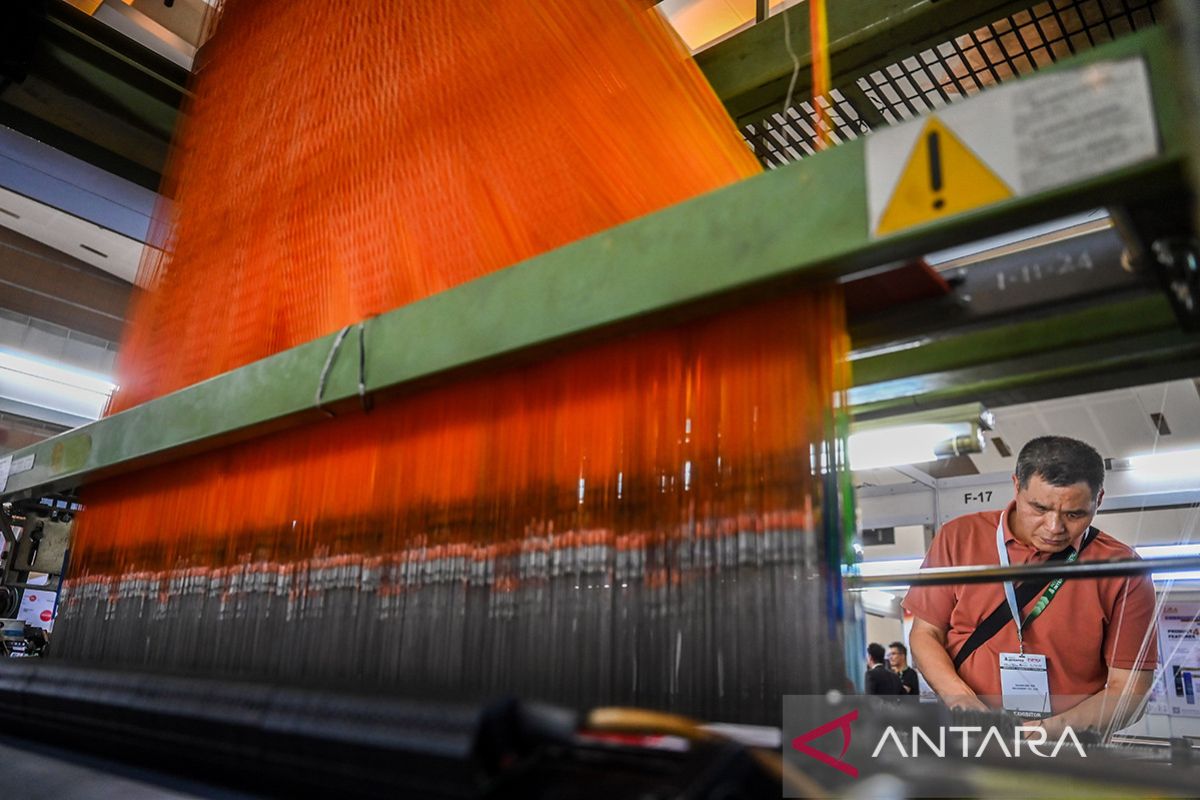
The Head of the Indonesian Halal Product Assurance Agency (BPJPH), Ahmad Haikal Hasan, stated that halal aspects need to be addressed by the textile and textile products (TPT) industry.
Speaking in Jakarta on Friday, Haikal explained that within the context of the TPT industry, halal aspects must be considered because production processes can involve various materials, including those derived from animal elements.
He cited the use of leather in several consumer goods such as jackets, shoes, bags, watches, hats, and similar items as an example.
“Because leather is used, the leather entering the process must be halal-certified, including for bags, belts, wallets, shoes, and so on,” he said.
He further explained that the critical points for halal compliance in textile products as consumer goods lie not only in the primary materials but also in additives such as gelatin, fats, or animal derivatives that may be used in certain processes.
“The halal status of these materials needs to be ensured, including the origin of the materials, the processing methods, and the slaughter status if they originate from animals that are halal for consumption,” Haver stated.
Furthermore, he noted that critical points can also be found in auxiliary materials, chemicals, adhesives, dyes, and the overall production process, which may potentially involve or be contaminated by non-halal substances.
Therefore, Haikal said that halal certification for textile products does not only look at the final product but also ensures the halal status of materials and the entire production process complies with Halal Product Assurance (JPH) regulations.
“This is important to provide halal certainty to consumers while simultaneously increasing the added value and competitiveness of textile products,” he said.
On the other hand, Haikal emphasised that halal certification is also part of a strategy to strengthen industrial competitiveness.
“Meeting halal standards can provide added value, strengthen consumer trust, and open wider access to the halal product market,” he added.
Meanwhile, the Chairman of the Indonesian Textile Consumer Foundation, Rudiansyah, assessed that halal certification is not merely about regulatory compliance, but can also serve as an opportunity to strengthen the position of Indonesian products in the global market.
“In international trade, halal can serve as an instrument to protect local producers and products, acting as a non-tariff barrier. It is hoped that Indonesia, with its large Muslim population, will become a trendsetter for halal-labelled products worldwide,” said Rudiansyah.
“Hopefully, this will become an instrument that provides attraction and power for domestic products to become increasingly competitive in the international market,” he concluded.