
BPJPH: Halal Industry Sector Contributes 27 Per Cent to National GDP
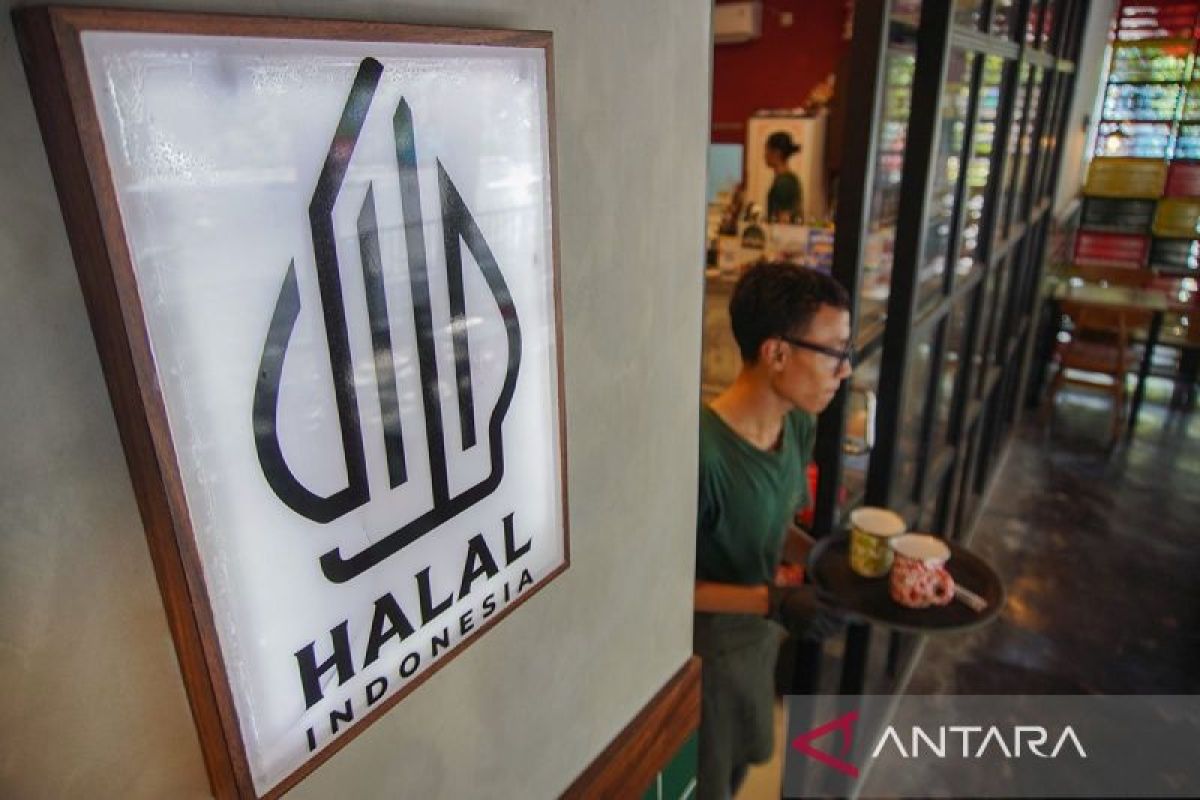
Jakarta (ANTARA) - The Halal Product Assurance Agency (BPJPH) stated that the halal industry ecosystem and supply chain, under the supervision and regulation of halal product assurance (JPH), contribute approximately 27 per cent to the national Gross Domestic Product (GDP), with a value reaching around Rp4,900 trillion.
“The contribution of the halal industry to the national economy is immense, accounting for 27 per cent of the national GDP. This demonstrates that halal is not merely a matter of certification, but also an essential part of Indonesia’s economic development,” said the Head of BPJPH, Ahmad Haikal Hasan, in a statement in Jakarta on Tuesday.
However, he noted that the contribution of the halal sector to the economy is often not directly visible to the public, despite its significant impact on the movement of national production, trade, and consumption sectors.
“Its contribution is very large for the economy and the lives of the community, even though it is often not directly apparent,” Haikal said.
Furthermore, he emphasised that halal does not only relate to product certification but encompasses the entire ecosystem and supply chain, involving various sectors including processing industries, logistics, trade, and various other supporting service sectors.
Therefore, the implementation of JPH, he continued, also drives economic activity across various sectors while strengthening the competitiveness of Indonesian products in both domestic and global markets.
“Behind a single halal product lies a long supply chain involving millions of business actors. When the halal ecosystem grows, the production, distribution, trade, and export sectors also grow. Halal becomes one of the important instruments in creating national economic added value,” said Haikal.
Additionally, he stated that halal should not be understood solely as a matter of food and beverages or merely as a religious obligation. According to him, halal is part of a value system that builds trust, integrity, and civilisation.
“Halal is not only for Muslims. Halal is for all. Halal has become part of a modern lifestyle and a symbol of quality, cleanliness, safety, traceability, and the trust required by today’s global society,” said Haikal.
“When halal becomes a culture and a lifestyle, it is not only the halal industry that grows, but also trust, productivity, and the quality of human resources,” he added.