
BPJPH Emphasises the Important Role of Universities in Strengthening the Halal Ecosystem
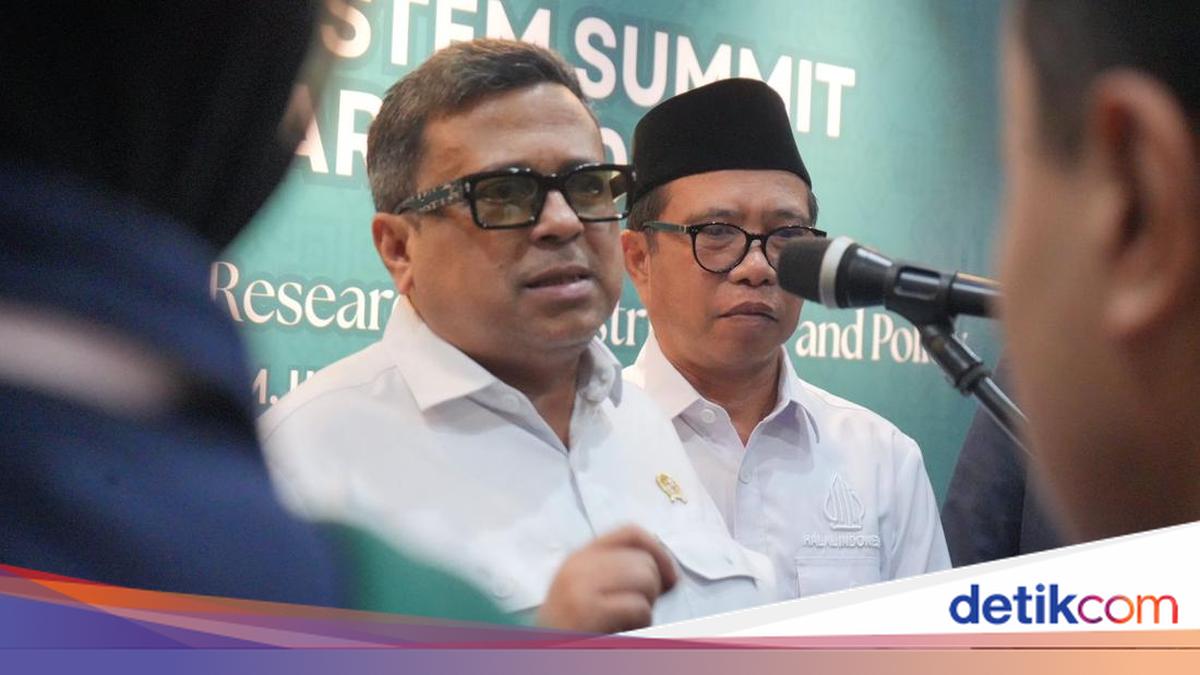
Haikal delivered this message as the keynote speaker at the Indonesia Halal Ecosystem Summit & Halal Metric Awards 2026, held at Universitas Brawijaya in Malang. He views strengthening the halal ecosystem as a strategic step to boost the competitiveness of Indonesian products in the global market. However, developing the halal sector cannot proceed in isolation; it requires strong collaboration between the government, universities, and the industrial world. According to him, universities play a vital role as a bridge between policy, research, and field implementation. “Universities are an important part of the halal ecosystem because they have laboratories as the basis for halal testing. This includes Universitas Brawijaya, which is one of the pioneers of halal in Indonesia. We are encouraging this role as a link in the ecosystem, as well as a bridge between policy, research, and implementation in the field,” Haikal explained in his statement on Tuesday (5/5/2026). Furthermore, Haikal emphasised that halal has now developed into a global need across countries and communities. Therefore, strengthening research capacity, innovation, and testing based on universities is becoming increasingly important. “Halal has become a global need. Halal now is for all. Halal is for everybody. There are three principles in halal: transparency, traceability, and trustability. Halal has become a value added, a precious and high-quality addition,” Haikal stated. Haikal added that recognition of halal products is no longer limited to Muslim communities but has been widely accepted by various groups globally. “Europe also recognises that halal is elite food. In Indonesia, halal will become the world’s number one ecosystem. Halal Indonesia for the global community will be realised by the end of 2027,” he explained. Senda Widodo, Rector of Universitas Brawijaya, stated that his institution has taken the role as a pioneer in national halal development, particularly through strengthening research and laboratory infrastructure. “Universitas Brawijaya is a pioneer ensuring that educational institutions become drivers of halal. We start from research, to providing laboratories that meet ISO 17025 standards and are accredited by KAN, and becoming the first university to have a Halal Inspection Institution,” he said. On the other hand, East Java Deputy Governor Emil Elestianto Dardak affirmed that East Java is one of the main engines in strengthening the national halal ecosystem. This is also supported by the active role of educational institutions and competent human resources. He explained that out of 124 Halal Inspection Institutions (LPH) nationally, 15 are in East Java. In addition, there are 81 Halal Product Processing Assistance Institutions (LP3H) out of 393 nationally, as well as 17,775 PPH assistants out of 129,368 assistants across Indonesia. Emil revealed that opportunities for developing the halal ecosystem are also wide open through international cooperation, including in the processing of halal raw materials such as beef leather, which has high economic value. “East Java not only produces leather-based fashion but also food products like rambak crackers. Therefore, halal raw material guarantees are very important in the industrial chain,” he explained. With regulatory support, infrastructure, and cross-sector collaboration—including the strategic role of universities—the strengthening of the halal ecosystem will continue to be accelerated. These efforts are carried out through institutional development, human resource capacity building, and expansion of halal certification services. These steps are part of a systematic strategy to improve the quality and competitiveness of Indonesian products in the global market.