
BPJPH Collaborates with DPR and Local Governments to Strengthen Regional Halal Ecosystem, Encouraging UMK Readiness for Mandatory Halal in October 2026
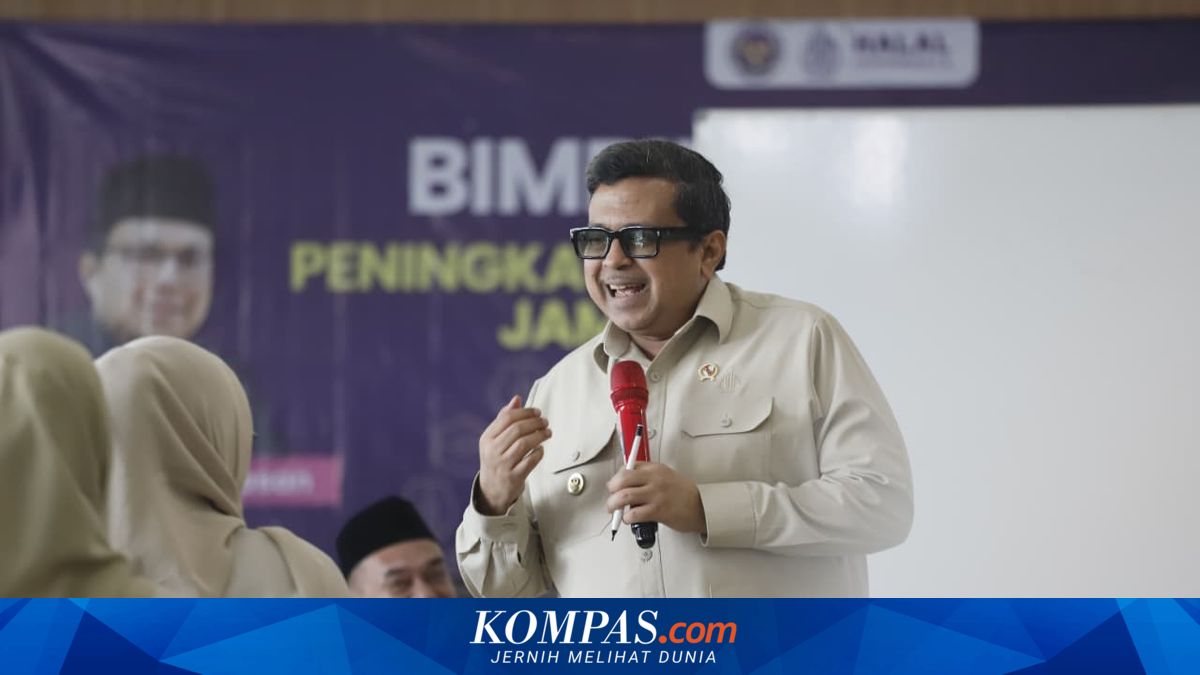
The Halal Product Assurance Organising Agency (BPJPH), along with the Indonesian House of Representatives (DPR) and local governments (pemda), continues to strengthen the implementation of the halal ecosystem. This reinforcement serves as a strategic step to encourage the readiness of business actors, particularly micro, small, and medium enterprises (UMK), in facing the Mandatory Halal policy that will be enforced in October 2026. BPJPH Head Ahmad Haikal Hasan emphasised that strengthening the national halal ecosystem involving all stakeholders is key to realising coordinated and integrated halal certification implementation across all regions. According to him, cross-sector collaboration not only provides understanding to UMK actors regarding the Halal Product Assurance (JPH) policy but also increases awareness of the importance of halal certification in business development. “We also ensure that UMK receive guidance and access to halal certification facilitation, including through the free scheme provided by the government,” said the man familiarly known as Babe Haikal in a written statement received by Kompas.com on Thursday (30/4/2026). He added that the readiness of business actors is an important factor in welcoming the implementation of Mandatory Halal next October. “Therefore, we are pushing for a solid ecosystem capable of ensuring guidance, facilitation, and access to halal certification services for UMK runs in an integrated, targeted, and sustainable manner across all regions,” explained Babe Haikal. Deputy for Halal Registration and Certification at BPJPH, Mamat Slamet Burhanudin, stated that the halal ecosystem collaboration also opens up consultation services for business actors. Thus, UMK can better understand the process flow, requirements, and obtain solutions to various obstacles in applying for halal certification. “Currently, we are also rolling out the free halal certification programme (SEHATI) funded by the BPJPH budget,” he said. However, the number of certifications issued is still far below the total number of UMK actors in Indonesia. “Therefore, this facilitation scheme must be implemented collaboratively with all stakeholders in various regions,” explained Mamat. He added that local governments have a strategic role due to their proximity to business actors, especially UMK.
Source: jawawa.id (https://jawawa.id/newsitem/bpjph-collaborates-with-dpr-and-local-governments-to-strengthen-regional-halal-ecosystem-encouraging-umk-1777530568)
Originally published by Kompas (https://nasional.kompas.com/read/2026/04/30/11043641/bpjph-gandeng-dpr-dan-pemda-perkuat-ekosistem-halal-daerah-dorong-kesiapan?utm_source=ABC&utm_medium=rss), translated from Indonesian