
BPJPH Collaborates with DPR and Local Governments to Strengthen Regional Halal Ecosystem
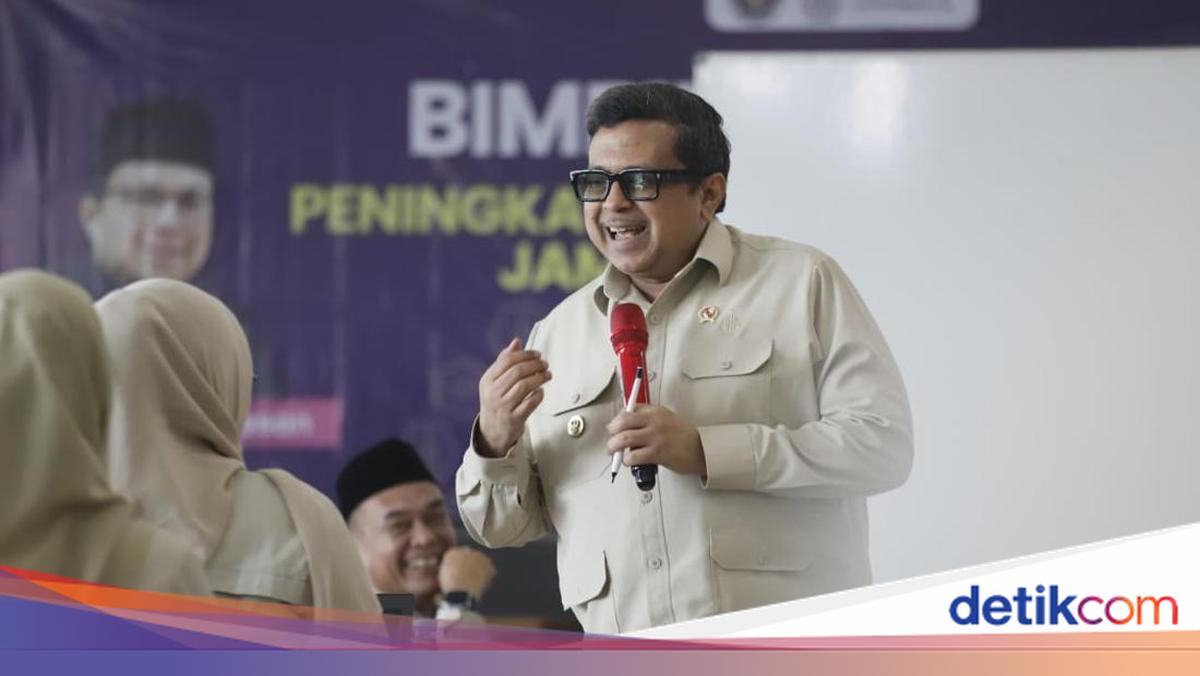
Head of BPJPH Ahmad Haikal Hasan emphasised that strengthening the national halal ecosystem involving all stakeholders is key to realising coordinated and integrated halal certification implementation across all regions.
“Through cross-sector collaboration, UMK actors not only gain understanding of Halal Product Assurance policies but also increasingly comprehend the urgency of halal certification in their business development. In addition, we also ensure that UMK receives assistance and access to halal certification facilitation, including through the free scheme provided by the government,” Haikal stated in a written remark on Thursday (30/4/2026).
“Business actors’ readiness is an important factor in welcoming the mandatory halal implementation that we will carry out next October. Therefore, we encourage a solid ecosystem capable of ensuring integrated, targeted, and sustainable assistance, facilitation, and access to halal certification services for UMK across all regions,” he continued.
Meanwhile, Deputy for Halal Registration and Certification at BPJPH, Mamat Slamet Burhanudin, stated that the halal ecosystem collaboration also opens up service consultation spaces for business actors. This provides opportunities for UMK to understand the process flow, requirements, and obtain solutions to various obstacles faced in applying for halal certification.
“Coordination with local governments is focused on mapping business actors, data verification, and distribution of halal certification facilitation quotas to be more targeted. Currently, we are also rolling out the free halal certification programme (SEHATI) funded by the BPJPH budget. However, the number is still far from the number of UMK actors throughout Indonesia. Therefore, this facilitation scheme must be implemented collaboratively with all relevant stakeholders in all regions,” Mamat explained.
“Local governments have a strategic role due to their proximity to business actors, especially UMK. Through coaching, assistance, and integration of regional programmes, local governments can become the driving force in accelerating halal certification in their areas,” he added.
This ecosystem-based approach not only accelerates the halal certification process but also promotes sustainable halal awareness. In addition, halal certification helps improve product quality, expand market access, and strengthen the competitiveness of UMK at national and global levels.
With a increasingly solid halal ecosystem strengthening, UMK’s readiness to welcome the October 2026 mandatory halal implementation is expected to increase, enabling its implementation to run optimally and provide broad benefits to the national economy.