
BPJPH Chief Secretary Urges Pati Regency to Facilitate Halal Certification for Micro and Small Enterprises
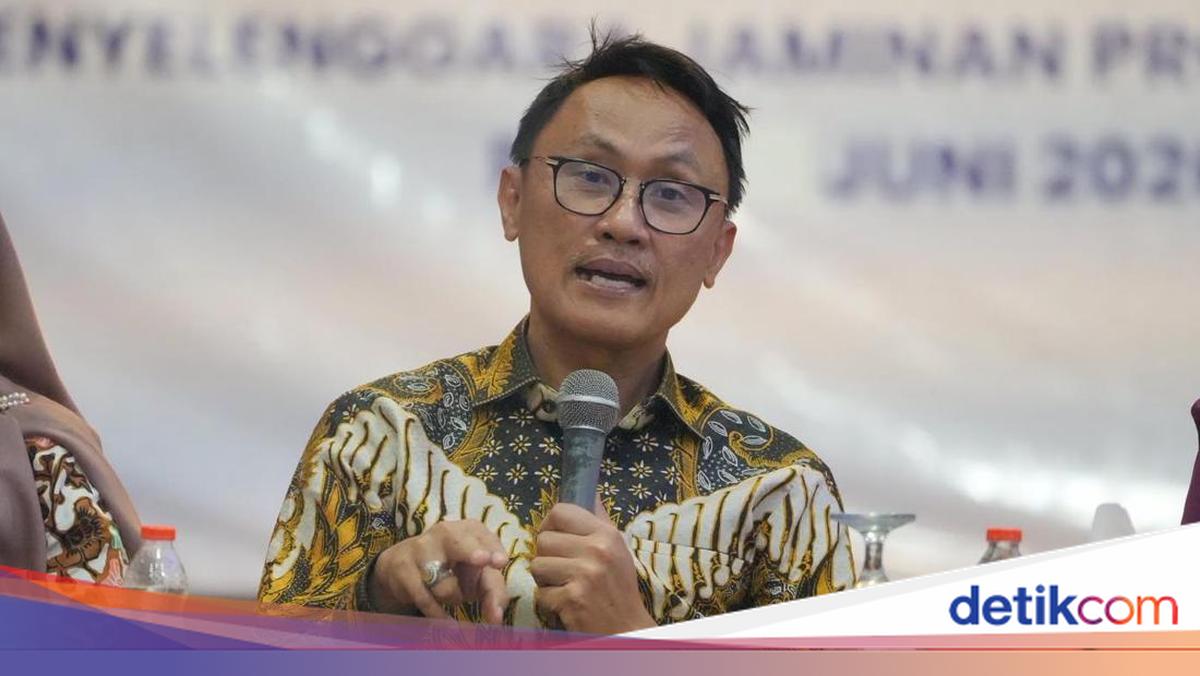
Chief Secretary of the Halal Product Assurance Agency (BPJPH) Muhammad Aqil Irham is encouraging the Pati Regency Government to broaden facilitation of halal certification for micro and small enterprises (UMK). This is intended to strengthen the regional halal ecosystem while enhancing the competitiveness of local products ahead of the implementation of Mandatory Halal in October 2026.
“We have discussed with the Pati Regency Government so that business actors can be facilitated in obtaining halal certificates. Funding and support can be carried out collaboratively through local governments, BAZNAS, the Indonesian Waqf Board, and corporate social responsibility (CSR) programmes. With such support, more UMK products will be able to obtain halal certification and increase their competitiveness in the market,” Aqil Irham said in a written statement on Thursday (18/6/2026).
He made the remarks while attending a Halal Awareness Literacy event for community groups organised by BPJPH together with Commission VIII of the Indonesian House of Representatives for Pati Regency in Pati on Monday (15/6/2026).
According to Aqil Irham, developing the halal ecosystem cannot be done by BPJPH alone. Collaboration and synergy among various parties are needed so that more business actors gain access to halal certification services and are able to utilise halal certification as an instrument for business strengthening.
Furthermore, Aqil Irham emphasised that halal certificates not only serve as a form of regulatory compliance but also as a factor in increasing consumer trust and expanding market opportunities for business actors.
“Our presence here is to provide understanding that food, beverages, medicines, cosmetics, and various other products regulated under the Halal Product Assurance provisions must be halal certified. Halal certification is not merely regulatory compliance, but also an added value that can increase consumer confidence in the products produced by business actors,” he continued.
Aqil Irham explained that strengthening the halal ecosystem is a step to ensure business actors are ready to face the implementation of Mandatory Halal in October 2026 while capitalising on the vast opportunities of the national and global halal market. He affirmed that the Indonesian House of Representatives is a strategic partner of BPJPH in expanding the implementation of Halal Product Assurance across various regions.
On the same occasion, Commission VIII member Sri Wulan assessed that increasing halal awareness among business actors and the public needs to become a collective movement because it is closely linked to consumer protection as well as strengthening the community economy.
“Halal awareness is important. When the public sees a halal label on a product, a sense of safety and peace emerges. Therefore, MSME actors need to become part of the halal ecosystem in order to increase their business competitiveness,” said Sri Wulan.
She added that in order to encourage the acceleration of halal certification, synergy between the central government and local governments is an important factor in expanding access to halal certification for business actors, particularly UMK.
“Earlier we also discussed with the local government various opportunities for facilitating halal certification. Programmes prepared by the central government need local support so that the benefits are increasingly felt by the community,” she continued.
Based on BPJPH data as of 15 June 2026, 23,390 business actors have obtained halal certificates with a total of 51,301 halal-certified products. The food and beverage sector is the largest contributor, with 23,319 business actors and 50,631 halal-certified products.
The majority of these halal certificates were issued through the Self Declare scheme of the SEHATI programme, designed by BPJPH to facilitate micro and small enterprise products in fulfilling halal certification obligations. The Halal Awareness Literacy for Community Groups event also included material on halal certification registration procedures and categories of business actors required to be halal certified by 2026.
On that occasion, the Head of the Halal Product Assurance Centre (PJPH) for Central Java Province, Ika Efrilia, invited business actors to utilise the Free Halal Certification (SEHATI) quota. Currently, more than 34,000 quotas are still available for Central Java Province.
The benefits of halal certification were directly felt by one UMK actor, Habib Hidayat. The producer of processed jenang food from Pati obtained a halal certificate through the SEHATI programme. According to him, halal certification has had a positive impact on the development of his business.
“After having a halal certificate, consumer trust increased. Production, which was previously around 15 kilograms per day, can now reach 100 to 200 kilograms per day. The halal certificate provides added value while strengthening consumer confidence in our products,” Habib revealed.