
BPJPH-BPOM Synergy to Strengthen Halal Testing Laboratory Standardisation
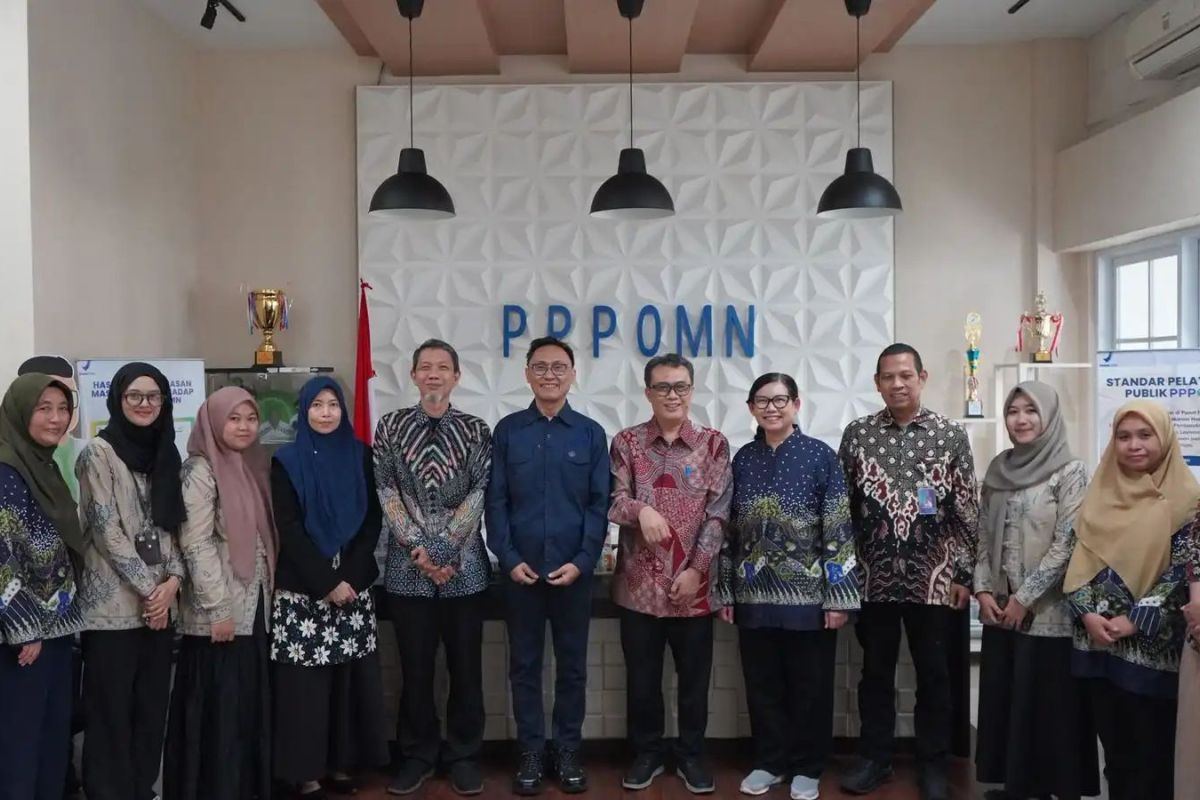
Jakarta (ANTARA) - The Halal Product Assurance Organising Body (BPJPH) is conducting synergy and benchmarking with the National Drug and Food Testing Development (PPPOMN) of the Food and Drug Supervisory Agency (BPOM) to strengthen the standardisation of national halal testing laboratories and the development of service networks in various regions.
BPJPH Main Secretary Muhammad Aqil Irham, in his statement in Jakarta on Sunday, said that the benchmarking is part of efforts to strengthen the national halal service ecosystem, particularly through the development of standardised, reliable, and adaptive laboratories to meet the needs of the community and business actors.
“This benchmarking is an important step to strengthen the capacity of national halal laboratories through learning best practices, standardising testing methods, and improving the quality of halal certification services,” said Aqil Irham.
Furthermore, he added that strong laboratories form the main foundation in providing credible, fast, and trustworthy halal certification services.
In addition, BPJPH is also exploring BPOM’s experience regarding national laboratory governance, human resource capacity development, and strengthening laboratory networks in the regions as references for building an integrated halal laboratory system.
Deputy for Supervision and Development of Halal Product Assurance at BPJPH, Chuzaemi Abidin, emphasised that one of the strategic points of attention is the establishment of the porcine peptide marker as a national reference in identifying pork content in products.
“The establishment of the porcine peptide marker is important so that all laboratories have the same standards. Thus, testing results become more consistent, valid, and provide certainty in the halal certification process,” said Chuzaemi.
Both parties also discussed technical aspects of testing for porcine content as an important parameter in determining product halal status, including the importance of harmonising testing methods between laboratories.
For BPJPH, strengthening laboratory capacity is a need that will continue to be carried out through improving human resource competencies, developing testing methods, and expanding halal laboratory networks in various regions.
“This benchmarking activity is part of BPJPH’s efforts to strengthen testing method standardisation, improve human resource capacity, and develop halal laboratory networks in the regions,” said Chuzaemi.
“This step is expected to support the availability of more consistent and measurable halal testing services in the halal certification process,” he added.