
BPJPH Anticipates Expansion of Halal Certification in October 2026
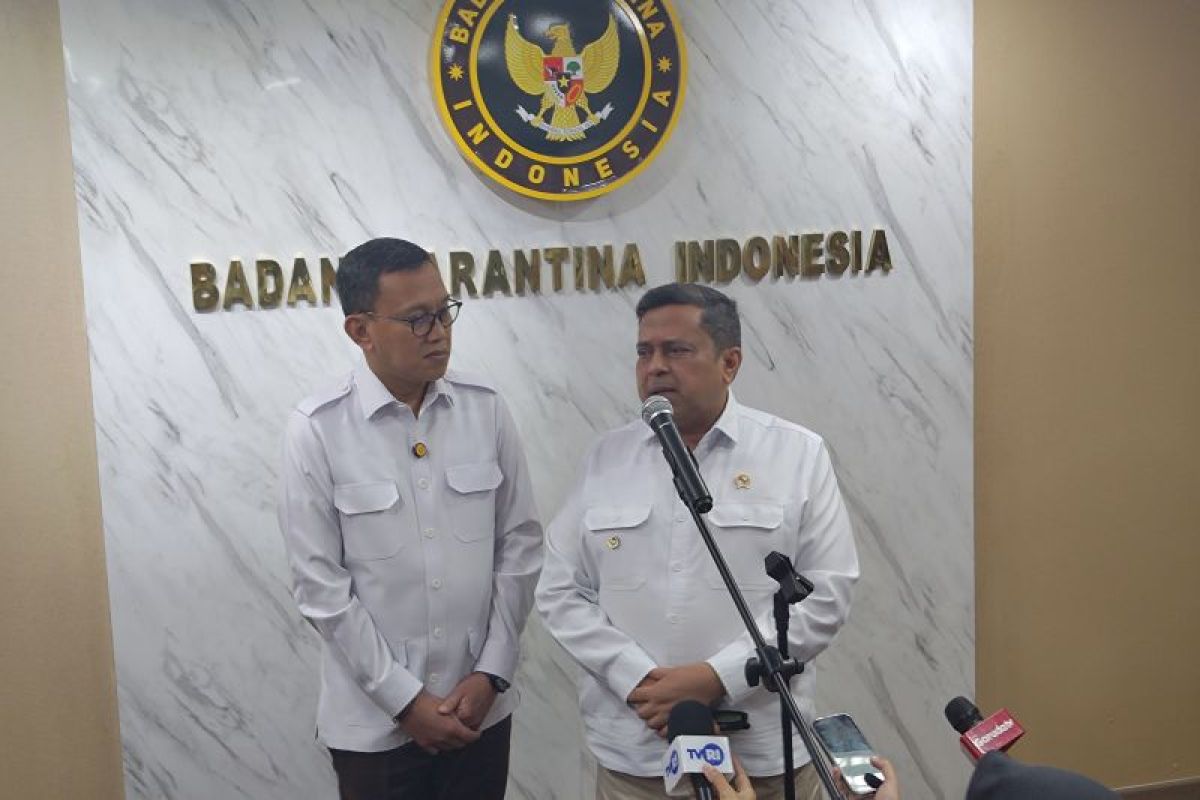
Jakarta (ANTARA) - The Halal Product Assurance Organising Agency (BPJPH) is anticipating the expansion of mandatory halal certification and labelling obligations in October 2026 through coordination with several ministries and agencies. BPJPH Head Haikal Hasan (Babe Haikal) stated that this coordination is aimed at overseeing the implementation of Law No. 33 of 2014 on Halal Product Assurance and Government Regulation No. 42 of 2024 on the Organisation of Halal Product Assurance. “Goods entering Indonesia, being traded, distributed, or circulated must have halal certification,” said Babe Haikal at the Indonesian Quarantine Agency office in Jakarta on Monday. He explained that this obligation includes determining the status of products, whether halal or non-halal, which must be declared through certification and labelling in accordance with the provisions. Babe Haikal clarified that the halal certification requirement covers food, beverages, medicines, cosmetics, and other consumer goods. He noted that the expansion of regulations in October 2026 will include, among others, meat bone meal, textiles, and other consumer goods that come into direct contact with the skin. “Entry into this category will indeed be subject to the halal regulations starting in October 2026,” he said. According to him, BPJPH needs to take anticipatory measures so that products without halal or non-halal labels do not circulate once the provisions take effect. Babe Haikal said BPJPH has coordinated with the Ministry of Trade and the Indonesian Quarantine Agency (Barantin), and will continue coordination with the Coordinating Ministry for Economic Affairs and the Ministry of Finance. He explained that this coordination also includes data and information integration, particularly with Barantin, so that the government can know the commodities entering the country, including their halal or non-halal status. In his view, halal checks are conducted not only domestically but also from the country of origin through an inspection mechanism. “In the country of origin, we are developing and have trialled something called inspections in several countries,” he said. He mentioned that inspection trials have been conducted in Thailand, Singapore, Malaysia, Vietnam, China, and Korea. BPJPH is also anticipating reports of findings of meat bone meal containing porcine as part of strengthening supervision of commodities entering Indonesia. Furthermore, he emphasised that non-halal products can still enter Indonesia, but they must be labelled as non-halal. “Everything can enter because we are a free country. Halal ones get a halal label, non-halal ones get a non-halal label,” said Babe Haikal. BPJPH records that the number of halal-certified products in Indonesia has reached more than 9.6 million products by 2025, with millions of certificates issued nationwide. In addition, the accelerated halal certification programme is being expanded, including the provision of a quota of 1.35 million free halal certificates in 2026 for micro, small, and medium enterprises (MSMEs).