
BPIP Paskibraka Director: South Sulawesi Selection Process Meets Objectivity and Procedure Standards
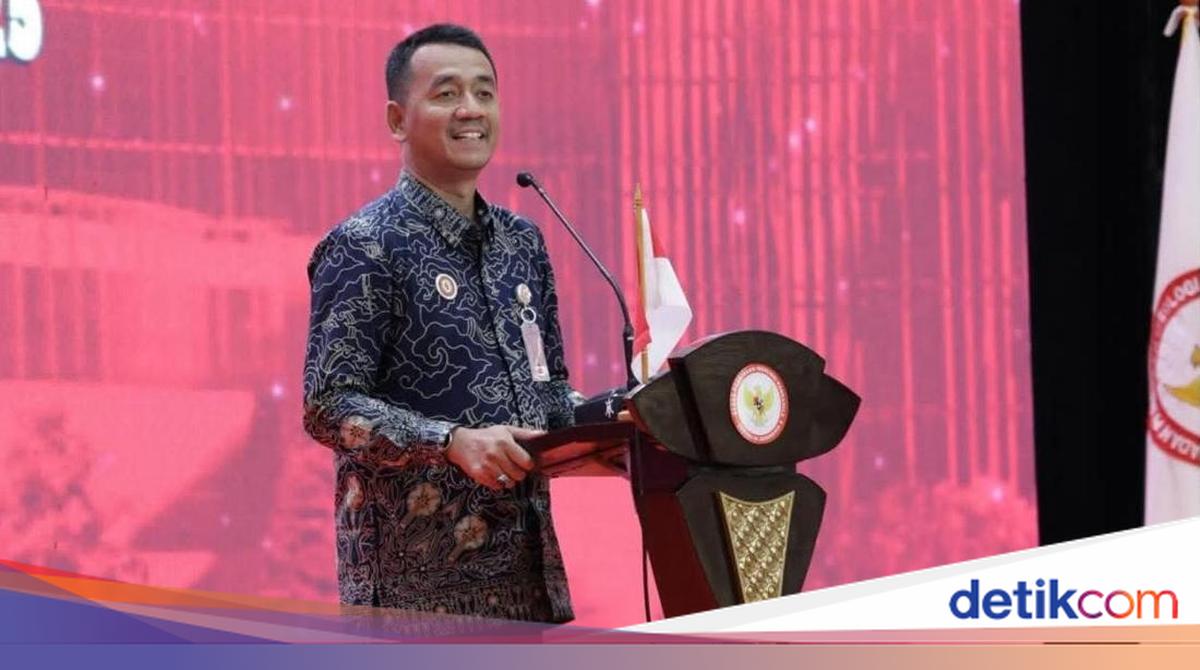
The Badan Pembinaan Ideologi Pancasila (BPIP) has confirmed that the national-level Pasukan Pengibar Bendera Pusaka (Paskibraka) selection process was conducted professionally and objectively. This statement responds to social media controversies regarding a Makassar-based candidate, identified as CYL, who failed to secure a top-three position as South Sulawesi’s representative for the national selection.
BPIP Central Paskibraka Programme Director Fuad Lutfi assured that all selection stages in South Sulawesi adhered to standard procedures, with strict implementation involving local governments, provincial selection committees, and central monitoring teams.
“The Paskibraka selection in South Sulawesi was conducted in line with national mechanisms, involving regional government and central selection teams,” Fuad stated in a press release on Thursday (28 May 2026).
He explained that the Paskibraka selection does not assess just one aspect, such as academic scores or national awareness tests alone. The evaluation process is comprehensive to gauge candidates’ readiness for national duties.
“Paskibraka is not merely about selecting candidates with the highest scores in a single test, but choosing the most well-prepared individuals overall to carry out national duties,” he said.
Fuad noted multiple components for evaluation, including health, physical fitness, marching regulations (PBB), personality, national awareness, mental readiness, and discipline.
The selection is conducted in stages from district/city to provincial and national verification levels. From each province, three pairs of candidates are chosen to proceed to the central selection process.
“There is indeed a ranking or accumulation of scores from all selection stages. The highest accumulated scores are considered for sending candidates to the national-level selection,” he explained.
Fuad also clarified that the decision on candidates representing regions at the national level is not made by a single person or institution, but through collective assessment across various elements in line with BPIP’s national guidelines.
According to him, the provincial government facilitates provincial-level selection through local committees, but for determining national-level candidates, direct involvement from central entities—including BPIP, DPPI Central, and the Presidential Military Secretariat (Setmilpres)—is required.
“Decisions are not made by a single individual or institution. It is a cross-element assessment in line with national guidelines,” he said.
In the ongoing controversy, BPIP also refuted narratives linking the selection to ethnicity, religion, race, or specific backgrounds, assuring there was no racism or discrimination.
“All candidates have equal opportunities and are assessed based on nationally established selection indicators,” he stressed.
He also addressed public concerns over the use of local languages in interviews, stating that proficiency in local languages is not part of the scoring criteria for candidate selection.
“Mastery of local languages is not part of the assessment. It is merely part of the interviewer’s dialogue to gauge candidates’ general capabilities and knowledge, as they will represent their region,” he said.
“It is important to stress that the entire process must be viewed holistically and proportionally, not based on fragmented information circulating on social media,” he said.
BPIP’s statement aligns with the explanation provided by the South Sulawesi Provincial Government, specifically the Head of the Regional Unity and Politics Agency (Kesbangpol), Bustanul Arifin, regarding the selection mechanism previously shared with the public in a television interview.
Nevertheless, BPIP urged the public to respect all candidates who participated in the selection process and avoid fostering opinions that could divide national unity.
“The core spirit of Paskibraka is Indonesian unity. All candidates have equal opportunities without distinction of ethnicity, religion, race, or social background,” Fuad said.
He added that all candidates are the nation’s finest youth, deserving appreciation for their enthusiasm, discipline, and dedication.