
BPDP strengthens plantation downstreaming and rural economic development
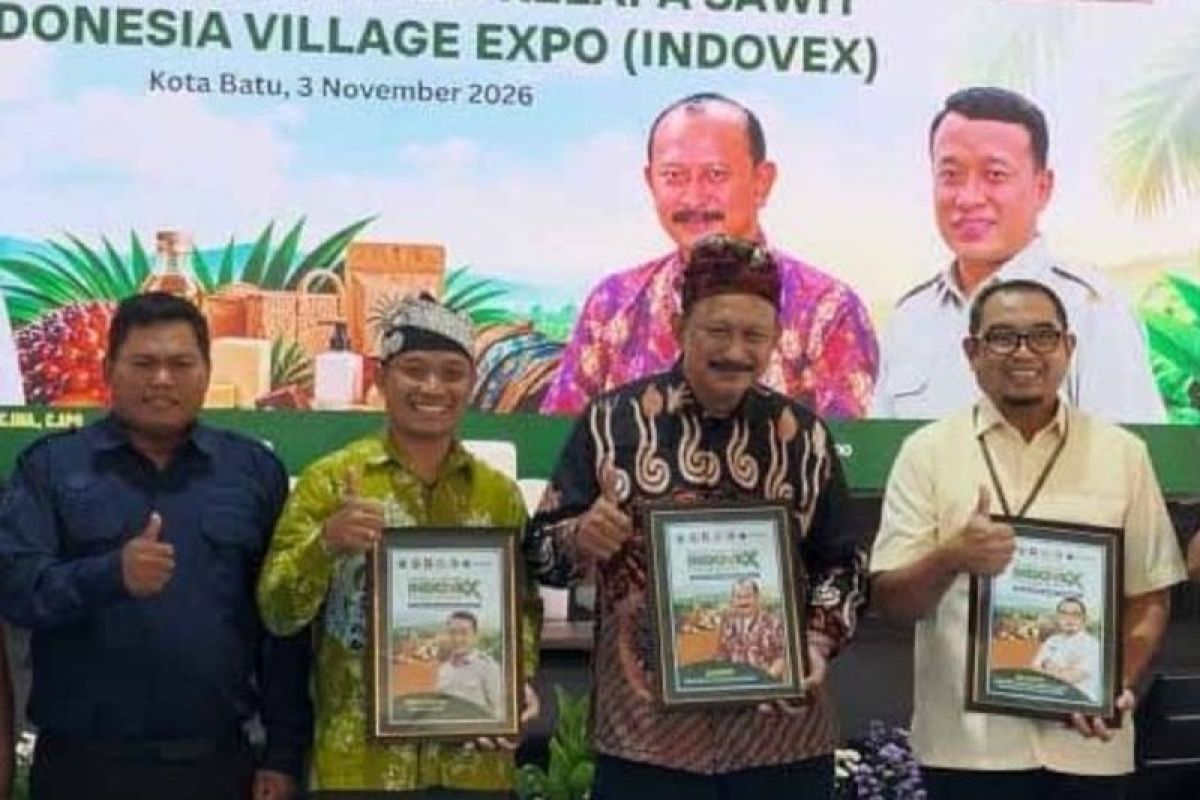
Jakarta (ANTARA) — The Plantation Fund Management Agency (BPDP) is continuing to strengthen downstream processing in the oil palm sector through micro, small and medium-sized enterprises (MSMEs), while also stimulating economic activity in rural communities.
BPDP’s Head of General Affairs and Human Resources, Adi Sucipto, said oil palm was no longer seen merely as a commodity for producing vegetable oil. In the hands of MSMEs, it could be turned into a range of value-added products, from handicrafts, cosmetics and batik to industrial materials.
Through its Village Economic Development through Oil Palm-based MSME Products initiative, BPDP is encouraging the use of plantation resources to create innovative products with greater economic value, he said in a statement in Jakarta on Friday.
“The programme is designed to create business opportunities, strengthen MSME capacity, expand markets and improve the competitiveness of local products,” he said at the Indonesia Villages Expo & Forum (INDOVEX) 2026 in Batu, East Java.
He said plantation development could not rely solely on increasing raw-material production. A comprehensive approach was needed, including stronger human resources, research and technological innovation, infrastructure development, promotion and downstream industrial development.
The transformation is important to ensure plantation commodities are not limited to trade in raw form, but can be made into processed goods with greater added value, he added.
At the same time, the economic benefits are expected to reach communities, particularly growers and MSME operators in plantation centres.
Adi outlined six flagship programmes to strengthen the national plantation ecosystem from upstream to downstream. The first is plantation replanting, particularly through the Smallholders’ Oil Palm Replanting Programme (PSR), via both government-led and partnership channels, to improve plantations and raise productivity.
The second is research and development, supported by funding for research and innovation across the sector. Third is human-resource development through education, training, extension services, mentoring and capacity-building facilities for growers and business operators.
Fourth is the development of facilities and infrastructure to increase plantation productivity and efficiency. Fifth is plantation promotion to showcase products, expand marketing networks and improve market access through in-house programmes and partnerships.
The sixth programme covers food needs, biofuels and downstream development. It is intended to support national food and energy security while encouraging the growth of plantation-product processing industries.
Through the six programmes, BPDP hopes that oil palm, coconut and cocoa will not only serve as industrial raw materials, but also create new economic opportunities in the regions.
“Strengthening MSMEs is an important part of ensuring that the added value from plantations is more widely shared, especially in rural areas,” he said at the event, which was supported by BPDP.
Adi said collaboration and BPDP support had enabled several partner MSMEs to develop products based on oil palm, coconut and cocoa. These include composite helmets and body armour made with oil palm fibre, batik using oil-palm-based wax, crafts made from coconut shells and fronds, cosmetics and artisan chocolate.
This diversification demonstrates the considerable economic potential of plantation commodities when combined with creativity, technology and design development. Raw materials that have largely been traded in primary form can be turned into finished products with higher selling prices.
BPDP uses a cluster system for its 86 partner MSMEs across 20 provinces, allowing support to be tailored to each business’s needs and level of readiness.
Meanwhile, Suharno, who is responsible for media and promotion at the central board of the Indonesian Oil Palm Farmers Association (Apkasindo), said cooperation among the government, associations, businesses and MSME communities was expected to strengthen plantation downstreaming.
The success of downstream development should be measured not only by the growth of processing industries, he added, but also by MSMEs’ ability to create innovative products, increase turnover, expand markets and generate jobs.
“This is where BPDP’s role is important: connecting the huge potential of the national plantation sector with economic opportunities that communities can feel directly,” he said.
Downstreaming is no longer solely about large industries, he added. It is also about enabling value to be added to plantation commodities in villages through people’s creativity and ability to develop businesses.
Source: jawawa.id (https://jawawa.id/newsitem/bpdp-strengthens-plantation-downstreaming-and-rural-economic-development-1793951495)
Originally published by Antara (Indonesian) (https://www.antaranews.com/berita/5836207/bpdp-perkuat-hilirisasi-perkebunan-dan-peningkatan-ekonomi-desa), translated from Indonesian