
BPDP Partners with AKPY-STIPER to Strengthen Innovation and Positive Image of Palm Oil
Jakarta (ANTARA) - The Badan Pengelola Dana Perkebunan (BPDP) is collaborating with AKPY STIPER Yogyakarta to strengthen innovation and enhance the positive image of the national palm oil industry.
AKPY STIPER Director Sri Gunawan, in a written statement received in Jakarta on Saturday, stated that palm oil is a flagship commodity with broad benefits, not only as an energy source but also as a food ingredient and high-value derivative products.
In this regard, he said that a comprehensive understanding of palm oil agribusiness from upstream to downstream is essential, particularly for BPDP scholarship recipients, not only from the production side but also entrepreneurial opportunities that can be developed to support food and energy independence.
“All students, especially BPDP scholarship recipients, must understand the great potential of palm oil agribusiness,” he said.
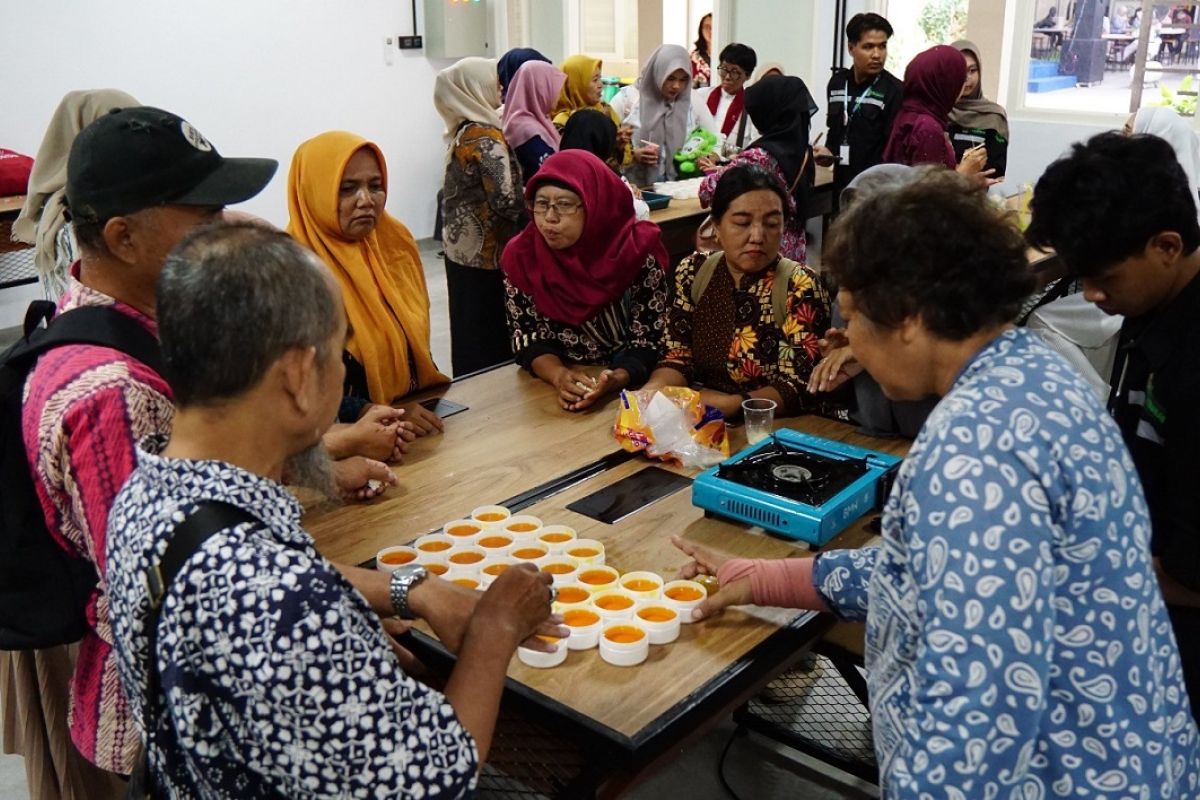
One of the efforts to promote the role of palm oil in supporting food and energy independence, he continued, is through the “Workshop and Conference UMKM Sawit Jogja 2026, in Supporting Resilience and Energy” supported by BPDP.
Through this event, it is hoped to realise food and energy independence based on palm oil UMKM. This is achieved by enhancing the capacity and skills of UMKM actors, encouraging downstream processing and innovation of food- and energy-based products, as well as strengthening institutions and business networks both conventionally and digitally.
In addition, Sri Gunawan continued, the event also serves as an effort to improve the palm oil image through educational campaigns to the public, providing understanding that palm oil has a strategic contribution to the national economy, food security, energy, and environmental sustainability if managed properly.
“Through this event, we also want to build collaboration among various parties, from UMKM, cooperatives, universities, government, palm oil companies, to research institutions, which is expected to expand market access, open funding opportunities, and accelerate technology transfer in the palm oil sector,” he said.
On that occasion, training was also held on processing food products, energy, oleochemicals, oleofood, and digital marketing, up to an expo and networking showcasing UMKM palm oil products while expanding business networks among business actors, companies, and government.
“We hope to produce innovative and competitive palm oil UMKM actors who can become the driving force in realising food and energy independence in Indonesia,” he said.
Meanwhile, Head of the Community and UMKM Division of BPDP, Helmi Muhansah, added that the event is not merely a forum for enhancing business actors’ capacity but also part of a broader public communication strategy.
“The UMKM Sawit Jogja 2026 workshop and conference is an implementation of BPDP’s promotion programme, which has a mandate to build a positive narrative for the palm oil industry amid various public perception challenges,” he said.
In this regard, he continued, BPDP carries out positive campaigning functions as an effort to balance and even counter various negative campaigns (black campaigns) that often arise against the palm oil commodity.
According to Helmi, the approach taken is no longer solely top-down or institution-based but also directly involves small, medium, and cooperative business actors (UMKM) as main actors in the field.
Through the workshop, participants are not only equipped with technical knowledge and business opportunities based on palm oil derivatives but also encouraged to understand their strategic position in the national palm oil industry ecosystem.
“When UMKM directly feel the economic benefits from palm oil, whether through food products, energy, or other derivatives, they will naturally become part of this industry’s grand narrative,” he said.
Thus, he added, UMKM actors are expected not only to be producers or economic actors but also to play a role as advocates capable of conveying positive stories about palm oil to the wider public.