
BPDP Opens Palm Oil Scholarship Programme for 5,000 Prospective Students
Jakarta (ANTARA) - The Indonesian Plantation Fund Management Agency (BPDP) is currently offering opportunities for approximately 5,000 prospective students to participate in a palm oil scholarship programme, which covers both educational fees and living allowances.
Helmi Muhansyah, Head of the Community Cooperation and MSME Division at BPDP, stated that the agency is continuously strengthening human resource development within the palm oil sector, primarily through educational scholarship programmes. “This programme is part of our efforts to build superior human resources for the palm oil industry. Scholarship recipients will not only receive tuition coverage but also a monthly allowance throughout their period of study,” he said in a statement in Jakarta on Friday.
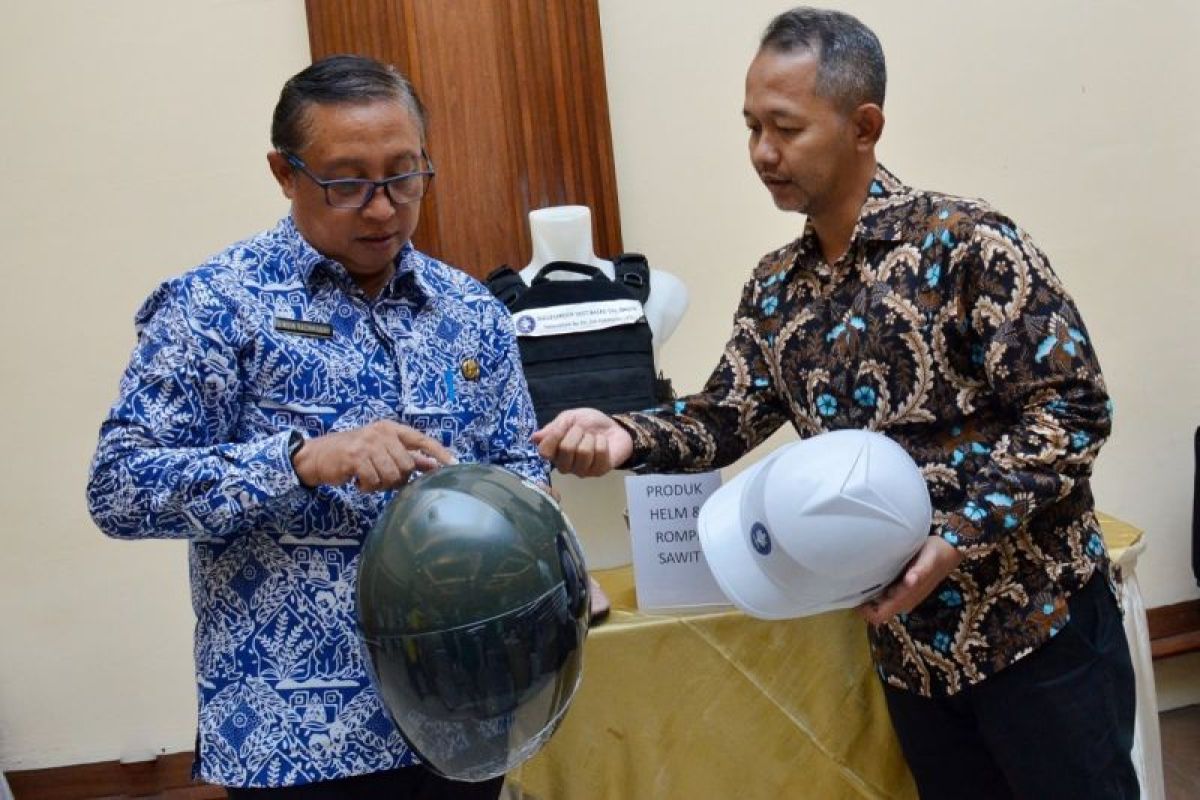
In addition to education, BPDP is also encouraging the downstreaming and innovation of palm oil products. Various ongoing research developments have resulted in a range of value-added products, ranging from industrial materials to MSME-based goods. “We have many research results based on palm oil, starting from materials for bulletproof vests and helmets, to various consumer products,” he noted during the Gen-Z Preneur Palm Oil MSME Workshop, titled ‘Plantation Entrepreneurship and Oleofood Startup’, held in Karawang Regency, West Java, from 4–5 June 2026.
He added that several of these research results have been commercialised by MSMEs, and the BPDP website features approximately 100 MSMEs based on palm oil derivative products that can serve as inspiration for the younger generation. Helmi cited the success of a student from West Sumatra who was inspired to develop a business based on palm oil leaf midribs, eventually becoming an exporter to South Asian markets. “We hope the workshop participants can be inspired so that in the coming years, new young entrepreneurs emerge who are capable of developing palm oil products to penetrate export markets,” he said.
Qayuum Amri, the Organizing Chair of the Gen-Z Preneur Palm Oil MSME Workshop, stated that the activity aims to provide a more comprehensive understanding of the palm oil industry to the younger generation. “So far, Generation Z has received more negative information about palm oil through social media. In reality, palm oil has many benefits and economic potential that can be developed by MSME players and young entrepreneurs,” he remarked.
According to him, Karawang was chosen as the venue because it is one of Indonesia’s largest manufacturing hubs, with over a thousand national and international companies operating in the region. “While Karawang is not a palm oil plantation centre, it possesses a very strong industrial ecosystem. Palm oil derivative products have great opportunities to be developed by MSMEs in this area,” he said.
He added that the event, organised by BPDP in collaboration with Sawit Indonesia Magazine, was attended by students, university students, MSME players, and young people interested in developing businesses based on palm oil derivative products.
The Head of the Karawang Regency Industry, Trade, Cooperatives, and MSMEs Office, Dindin Rachmadhy, assessed that the workshop aligns with the local government’s efforts to encourage economic growth based on entrepreneurship and MSMEs. Karawang currently has over 311,000 registered MSMEs spread across 30 districts, a number that continues to grow alongside increasing public interest in entrepreneurship. “Therefore, we continue to strengthen support for MSMEs, including through increased budgets, which have now reached IDR 13 billion,” he said.
He noted that although not a palm oil producing region, Karawang has close links to the palm oil industry through the processing and MSME sectors, as approximately 70 per cent of culinary businesses in the regency use palm oil-based products in their operations. “We see many opportunities that can be developed from palm oil derivatives, including for crafts and fashion,” he said. Karawang, he continued, possesses its own distinctive batik, meaning there is potential for palm oil derivatives, such as paraffin, to be utilised in its production process in the future.