
BPDLH Allocates Rp20.3 Billion for These 4 Low-Carbon Projects
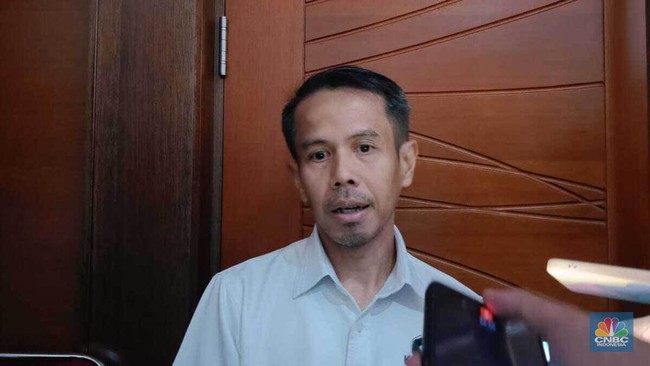
Jakarta, CNBC Indonesia - The Environmental Fund Management Agency (BPDLH) of the Ministry of Finance has channelled funding amounting to Rp20.3 billion for four low-carbon innovation projects in various regions. The funds were provided through the Innovation and Technology Fund (ITF) scheme.
ITF is an initiative under the Low Carbon Development Initiative (LCDI) Phase 2, resulting from collaboration between the Indonesian Government through BAPPENAS and the UK Government through the Foreign, Commonwealth and Development Office (FCDO) to promote the development of innovative businesses that support low-carbon development in Indonesia.
BPDLH’s Chief Executive, Joko Tri Haryanto, stated that the four projects were selected after a rigorous evaluation of a total of 283 proposals, with a total funding commitment of Rp1.5 trillion.
“After the assessment of the 283 proposals, four were selected as winners today,” Joko said during the Signing of the Cooperation Agreement between BPDLH and the LCDI-ITF Project Beneficiaries on Tuesday (14/4/2026).
The submitted proposals covered four main sectors, namely energy, waste, coastal and marine ecosystems, and the agriculture and forestry sector or Agriculture, Forestry, and Other Land Use (AFOLU).
In detail, BPDLH is allocating Rp5 billion for waste management in South Sulawesi, Rp4.9 billion for a project in the marine and coastal ecosystems sector in West Nusa Tenggara Province, Rp5 billion for an AFOLU sector project in Maluku Province, and Rp5.3 billion for an AFOLU project in West Java Province.
Joko explained that this funding is expected to serve as a stimulus for early-stage projects that often struggle to obtain development capital.
“We hope to hear all the activity plans from the proposals, which will certainly achieve the goals. At the same time, they will contribute to economic improvement, emission reduction, and most importantly, quality enhancement,” he said.