
BP3MI Kepri uses Friday sermons to educate on safe migration
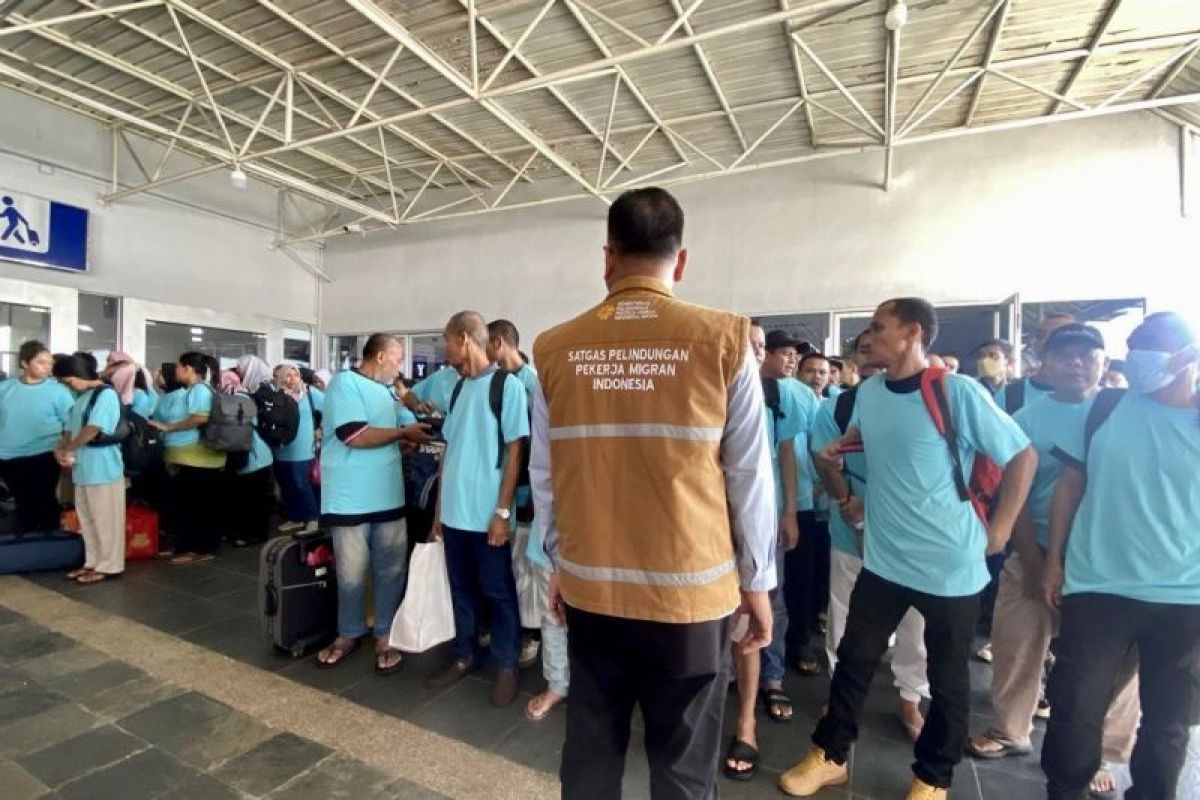
The Indonesian Migrant Worker Protection Service Centre (BP3MI) in the Riau Islands is partnering with the Tanjungpinang Mubaligh Communication Forum to provide education on safe migration through Friday sermons and religious study sessions.
Head of BP3MI Kepri, Police Senior Commissioner Imam Riyadi, said in Tanjungpinang on Sunday that places of worship and religious figures have a strategic role in building public awareness about the importance of working abroad through official and safe procedures.
“Through the pulpit of sermons and regular religious study sessions, the message about the importance of becoming a safe migrant and working abroad procedurally can be conveyed more effectively, soothingly, and easily accepted,” he said.
Imam said BP3MI Kepri will prepare data and the latest developments regarding the handling of Indonesian citizens and Indonesian migrant workers as material for preparing Friday sermon content.
According to him, the delivery of data and field facts through religious figures is expected to provide the public with a picture of the risks of non-procedural migration as well as the government’s efforts to protect migrant workers.
“We want the public to better understand their rights and not be easily influenced by the persuasion of brokers or syndicates placing migrant workers non-procedurally or illegally,” he said.
Imam expressed hope that the involvement of religious figures can strengthen public awareness to choose safe and procedural job placement channels.
BP3MI Kepri recorded that 2,948 migrant workers received procedural placement services during the period from January to 12 August 2026.
Of that number, 1,862 people were residents of the Riau Islands, while 1,086 others came from other regions and received placement services through BP3MI Kepri.
By type of work, the largest placements included able seamen with 411 people, welders with 365 people, captains/masters with 153 people, agricultural labourers with 152 people, and chief officers with 142 people.
Singapore was the largest destination country with 1,357 migrant workers, followed by Malaysia with 839 people, the United Arab Emirates with 132 people, Taiwan with 124 people, and Serbia with 95 people.