
BP Tapera: Vertical housing could be solution to reduce backlog
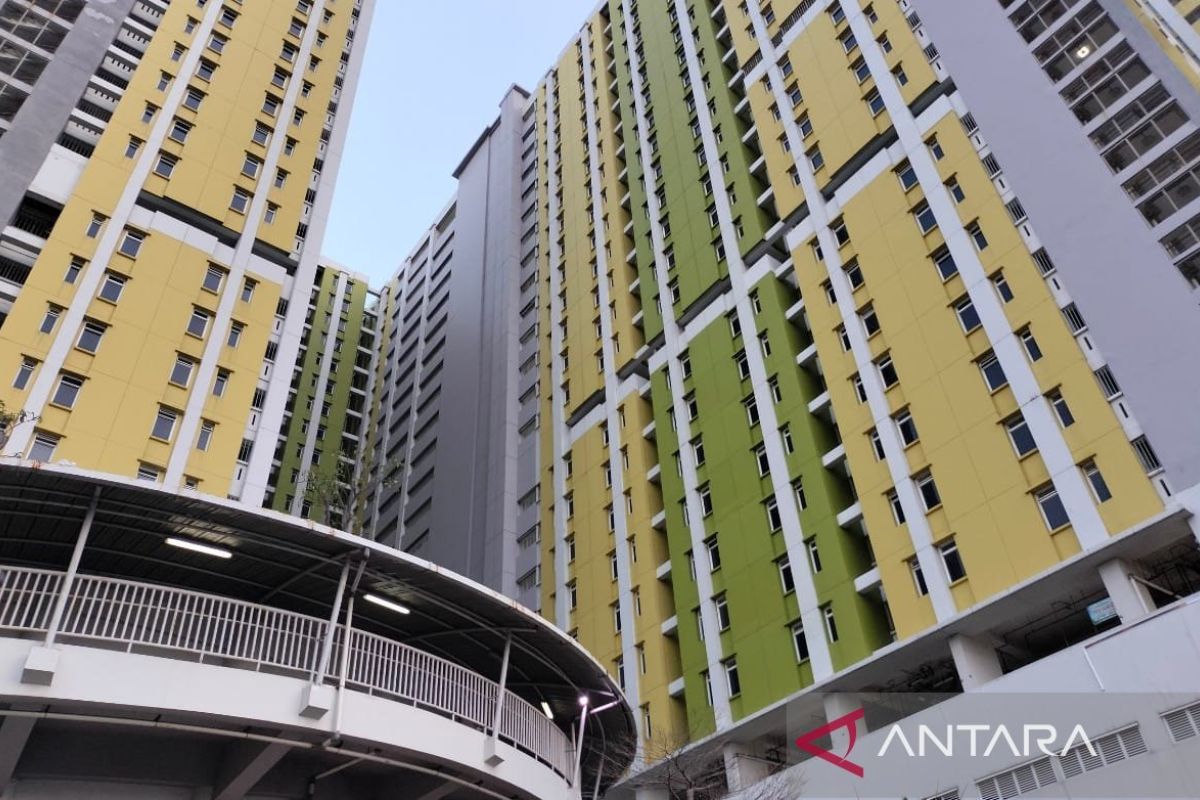
The Public Housing Savings Agency (BP Tapera) has stated that vertical housing could be one of the most effective solutions to reduce the housing backlog. Commissioner Heru Pudyo Nugroho said that vertical housing is particularly relevant in urban areas facing land limitations.
The housing backlog refers to the gap between the number of housing units needed and the availability of adequate, privately owned homes. Heru explained that through flats, land use becomes far more efficient, allowing more families to live close to employment centres, public services, and transport networks. This can also reduce residents’ transport costs and improve their quality of life.
Looking ahead, flats are no longer just an alternative but could become a primary strategy for providing housing for low-income communities in major cities struggling with limited space and high land prices. The government is now encouraging the distribution of Housing Financing Liquidity Facility (FLPP) funds for flats as part of efforts to accelerate the Three Million Houses Programme.
Minister of Housing and Settlement Areas Maruarar Sirait has stated that housing provision in urban areas will be directed towards vertical development. He noted that the housing backlog remains a major issue, with national figures from the 2025 National Socio-Economic Survey showing a backlog of 9.6 million units. He also said that land provided by the Ministry of Agrarian Affairs and Spatial Planning/National Land Agency will be used for the construction of flats and satellite cities. The issue of flats has drawn the attention of President Prabowo and Housing Task Force Chairman Hashim Djojohadikusumo.