
BP Tapera strengthens housing digital ecosystem
Jakarta (ANTARA) - The Public Housing Savings Management Agency (BP Tapera) is strengthening the digital housing ecosystem through the integration of rumah.go.id and SISI (Sinergi Informatika Semen Indonesia).
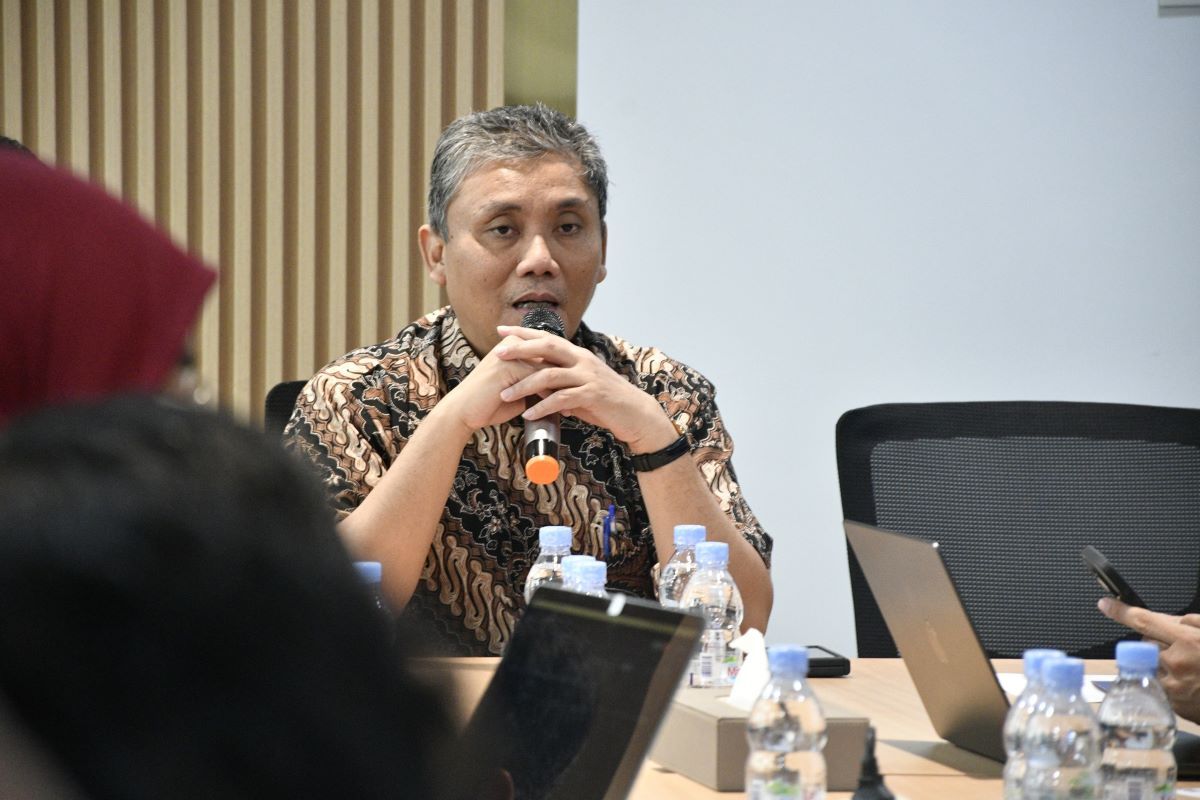
BP Tapera Commissioner Heru Pudyo Nugroho explained the role and position of BP Tapera within the housing finance ecosystem. Furthermore, Heru emphasised the importance of collaboration in expanding public access to housing.
“BP Tapera plays a role in the housing finance ecosystem. In performing this role, we cannot act alone. Collaboration with various stakeholders is required to strengthen the housing ecosystem and support the community in gaining access to housing,” Heru stated in a briefing in Jakarta on Friday.
According to him, the housing ecosystem involves various parties, ranging from the government, banking, developers, and the community to service providers and technology partners. Therefore, digitalisation is a crucial aspect in providing easier and more integrated access to housing information and services.
“Digital transformation is part of the effort to strengthen the housing ecosystem so that various services and information can be more easily accessed and connected,” he said.
On the same occasion, the President Director of SISI, Achmad Tholcah, presented SISI’s capabilities and experience in developing digital solutions and integrating applications with various business systems and processes.
“SISI develops digital solutions that can be integrated with the systems and business processes already owned by an organisation. Application development is not only intended to function independently but also to support integration with the existing ecosystem,” said Achmad.
One of the experiences presented was the development of the Sobat Bangun platform. This platform was initially developed to connect contractors with members of the public in need of house construction and renovation services.
As it evolved, the Sobat Bangun ecosystem was expanded to involve contractors, developers, service providers, material suppliers, and consumers. The platform also supports various needs, ranging from construction services, building and renovation, and material procurement, to access to housing products and projects.
Achmad also explained SISI’s experience working with Perumnas, which allows housing units—both new projects and available units from previous projects—to be offered through a digital platform.
“This experience demonstrates how digital platforms can serve as a channel to connect housing products and services with the community in need,” he added.
The meeting serves as a follow-up to discussions regarding the integration of cooperation to support the strengthening of the housing ecosystem. One of the primary focuses of the discussion is the development of increasingly integrated digital services and opening wider access to housing information and services.
In discussions with BP Tapera, one concept being explored is the development of an Embedded Catalog, which would allow property catalogues to be displayed in an integrated manner within the rumah.go.id ecosystem. This development could be supported through APIs (Application Programming Interface) and SDKs (Software Development Kit), with the potential to evolve services towards a Mini App Storefront concept.
Moving forward, the development of this cooperation will be discussed in stages, starting from design preparation and the possibility of a Cooperation Agreement (PKS), catalogue development, system integration, User Acceptance Testing (UAT), and finally, service implementation.