
BP Tapera hopes revised Tapera Law will be enacted by end of 2026
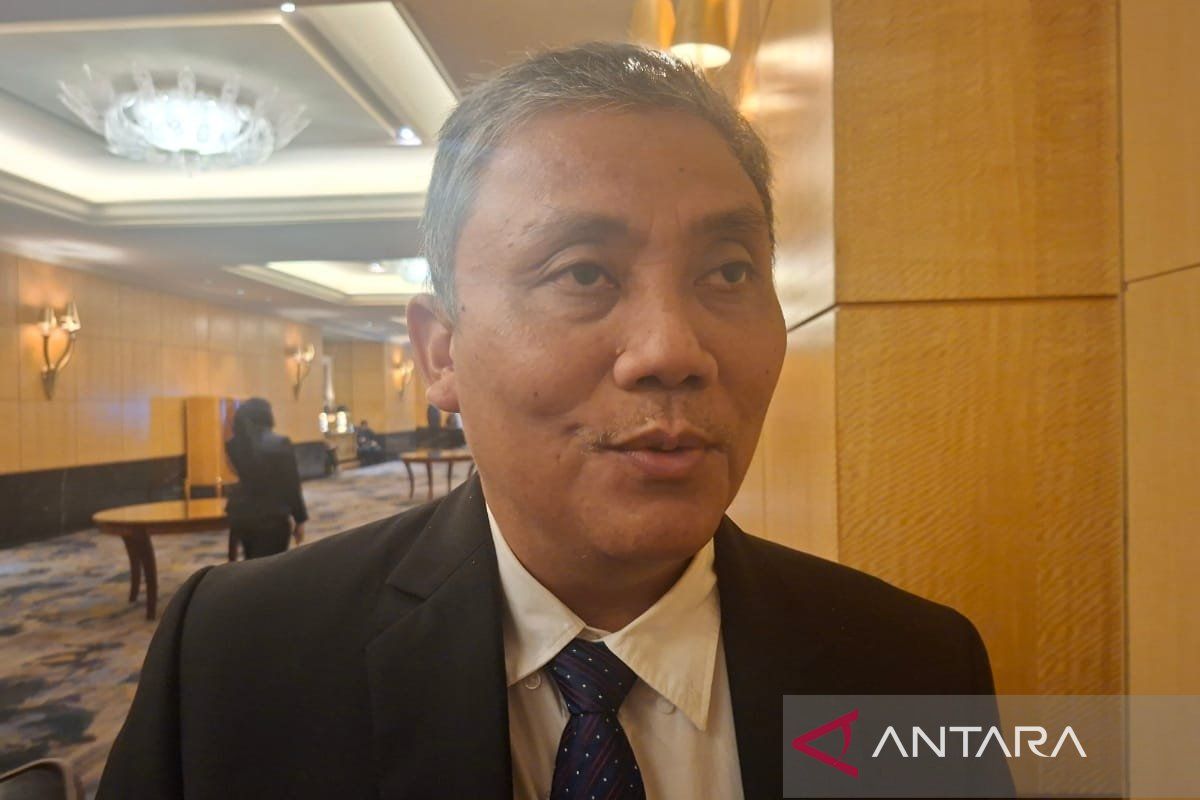
The Public Housing Savings Management Agency (BP Tapera) hopes the restructuring of the Law on Public Housing Savings (UU Tapera) can be enacted by the end of 2026. “We are just waiting for the legislative process and we hope that by the end of this year there will be a decision,” said BP Tapera Commissioner Heru Pudyo Nugroho in a statement in Jakarta on Saturday.
Heru said that constitutionally, according to Constitutional Court Decision Number 96/PUU-XXII/2024 read out on 29 September 2025, the institutional existence of BP Tapera, if the Tapera Law is not restructured, will only last until 29 September 2027, or two years from the date of the ruling.
BP Tapera has been summoned by the DPR’s Expertise Body to explain the concept of restructuring or revising the Tapera Law in the context of the Omnibus Law on Housing and Settlement Areas. “For the deepening of substance and grand design related to the restructuring of the Tapera Law in the context of the Omnibus Law on Housing and Settlement Areas. We have conveyed the concept, how the changes will be made, implementing the mandate of Constitutional Court Decision Number 96 which granted the lawsuit that Tapera is no longer mandatory but voluntary,” said Heru.
He added that BP Tapera is actualising this in the concept of contractual savings that are voluntary in nature, collaborated with the existing Housing Financing Liquidity Facility (FLPP) funds, as well as other funding sources that are investment-based, philanthropic, grants and so on. This was well received by the DPR’s Expertise Body.
For information, the Constitutional Court (MK) declared Law Number 4 of 2016 on Public Housing Savings (Tapera) to be contrary to the constitution or unconstitutional and must be restructured within a maximum of two years. In other words, the Tapera Law does not immediately cease to apply, because the MK gave lawmakers time to restructure it in accordance with the essence of the mandate of Law Number 1 of 2011 on Housing and Settlement Areas.
The ruling stemmed from Article 7 paragraph (1) of the Tapera Law, which was declared inconsistent with the constitutional mandate. The court called this article the “heart article” that animates the entire norms in the Tapera Law.
Article 7 paragraph (1) of the Tapera Law stipulates that every worker and self-employed worker earning at least the minimum wage is required to become a Tapera participant. This mandatory nature was applied without distinguishing between workers who already own a home and those who do not.
The court assessed that the article was not aligned with the foundation of law-making and the context of fund deposits, which should be based on voluntariness and consent. In addition, according to the court, the mandatory nature regulated in Article 7 paragraph (1) of the Tapera Law could lead to disproportionate treatment, as well as cause overlap and impose a double burden on workers.
The court recognised that declaring Article 7 paragraph (1) contrary to the constitution would impact other articles in the Tapera Law and create a legal vacuum, particularly in terms of long-term housing funding and financing systems.
To avoid a legal vacuum in the implementation of this ruling, the MK deemed it necessary to give the government and the DPR a grace period to restructure the arrangements regarding housing funding and financing systems that do not impose a burden on employers, workers, including self-employed workers. The court advised lawmakers to carefully consider housing funding and financing systems, shifting from mandatory arrangements to optional ones for employers, workers, including self-employed workers.
Source: jawawa.id (https://jawawa.id/newsitem/bp-tapera-hopes-revised-tapera-law-will-be-enacted-by-end-of-2026-1787982759)
Originally published by Antara (Indonesian) (https://www.antaranews.com/berita/5716564/bp-tapera-berharap-penataan-ulang-uu-tapera-ditetapkan-akhir-2026), translated from Indonesian