
BP BUMN: Free Nutritious Meals and People’s Schools to Reduce Stunting in Indonesia
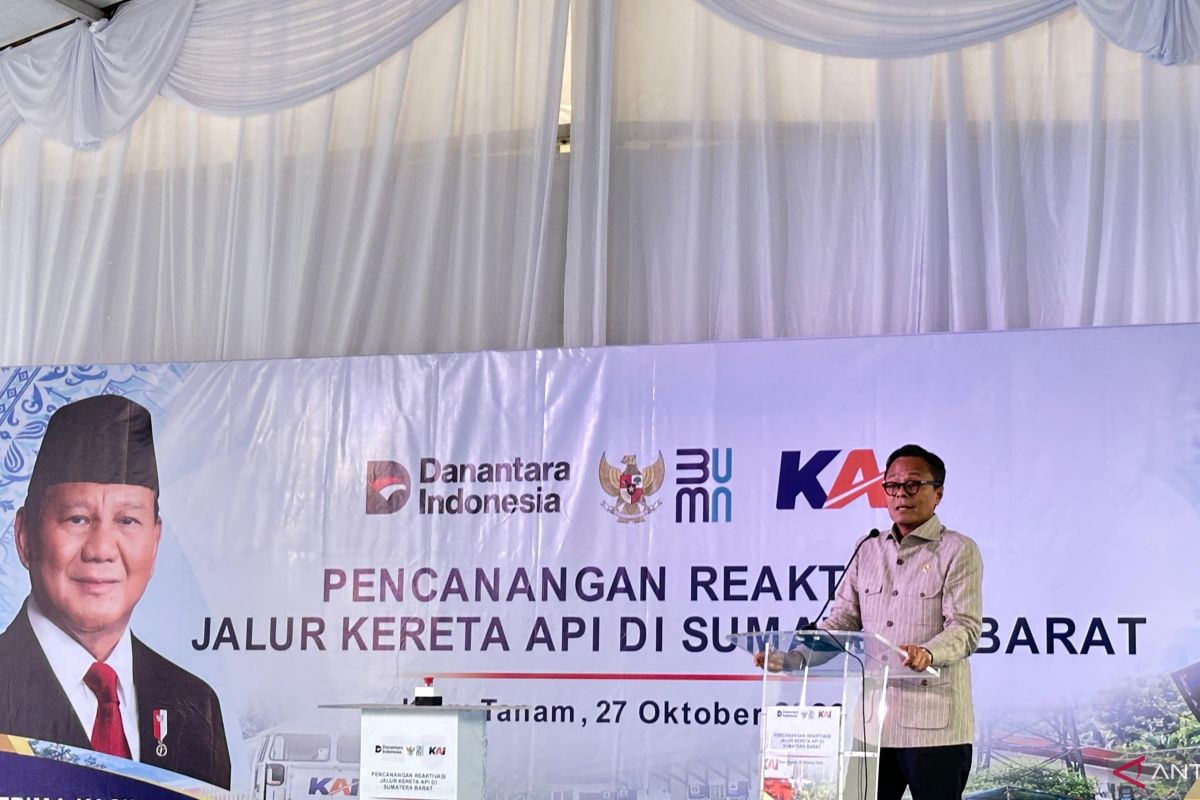
Padang Pariaman (ANTARA) – The State-Owned Enterprises Regulatory Agency (BP BUMN) has stressed that the Free Nutritious Meals (MBG) programme and People’s Schools are government efforts to improve the quality of human resources while reducing stunting in Indonesia.
“Proper nutrition and equal access to education are key to creating an outstanding generation. The MBG programme and People’s Schools are expected to improve children’s quality of life and prevent stunting from an early age,” BP BUMN head Dony Oskaria said in Padang Pariaman, West Sumatra, on Tuesday.
He said developing a healthy and educated population was a key foundation for achieving strong and sustainable economic growth.
Stunting in Indonesia remains at around 19 per cent, he said. In Sumatra, the rate is estimated to be higher, at 22–24 per cent.
He said the situation called for government intervention, particularly to ensure that children from low-income families receive adequate nutrition through the MBG programme, supporting their growth and intellectual development.
“The MBG programme is based on the idea of addressing malnutrition, which can affect children’s futures. Its implementation therefore needs to be continually improved so that the programme can achieve its objectives,” he said.
He said implementation of the programme still needed to be evaluated, as MBG was relatively new and required ongoing refinement.
He cautioned that such evaluation should be distinguished from the programme’s underlying purpose: helping communities, particularly children whose families have limited means to provide nutritious food.
Alongside improving nutrition, the government is seeking to expand access to education for children from low-income families through the People’s Schools programme.
People’s Schools are free boarding schools for pupils from primary through secondary level, initiated by President Prabowo Subianto through the Ministry of Social Affairs.
He said the schools were intended for people in deciles 1 and 2, the groups with the lowest levels of welfare, so their children could access better educational opportunities.
Through the programme, children receive not only an education but also accommodation and meals while they study.
“The state has a responsibility to ensure that children from the most disadvantaged families can access education and a decent life. People’s Schools are one form of intervention to meet those needs,” he said.
He added that support for education and nutrition programmes was part of efforts to build a high-quality population as a foundation for long-term development.
The success of government programmes, he said, depended not only on the policies adopted but also on support from various parties and evaluation of their implementation, so that their benefits could be widely felt.
He hoped the MBG programme and People’s Schools would help reduce inequality of opportunity for disadvantaged communities and prepare a healthy, intelligent generation able to contribute to Indonesia’s development.
Source: jawawa.id (https://jawawa.id/newsitem/bp-bumn-free-nutritious-meals-and-peoples-schools-to-reduce-stunting-in-indonesia-1793112767)
Originally published by Antara (Indonesian) (https://www.antaranews.com/berita/5815639/bp-bumn-mbg-dan-sekolah-rakyat-tekan-stunting-di-indonesia), translated from Indonesian