
BP Batam Requires Data Centre Developers to Build Independent Water Treatment Plants
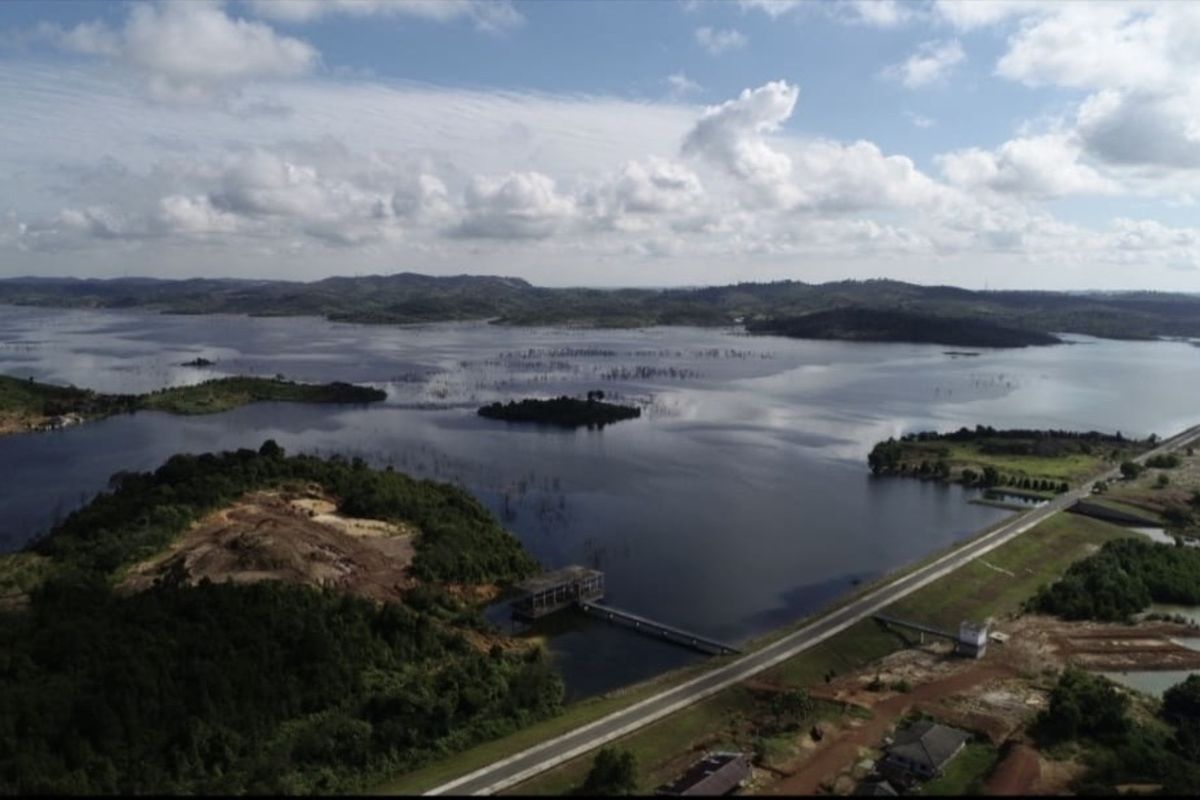
Batam (ANTARA) - The Batam Concession Agency (BP Batam) in the Riau Islands is requiring data centre developers to build and operate independent water treatment plants using seawater reverse osmosis (SWRO) technology to meet their operational needs.
Ariastuty Sirait, a member and deputy head of BP Batam’s Public Services Division, said the policy was intended to support data centre investment while safeguarding sustainable water resources and meeting residents’ basic needs.
“Technically, the development of the data centre ecosystem at the Nongsa Digital Park Special Economic Zone (NDP) and in the Kabil industrial area has been encouraged to use an independent water management model based on SWRO technology,” Ariastuty said in an official statement received in Batam on Friday.
According to BP Batam data, of the six data centre businesses registered, one is operating, one is under construction and the other four are at the construction planning stage.
At Nongsa Digital Park, the estate operator has an internal reservoir for the area’s maintenance needs. Meanwhile, water supplied from the Duriangkang Reservoir to data centre facilities is temporary and very limited, and is available only during construction and facility preparation.
“Two other data centre businesses in the Nongsa area are still at the development planning stage. The two businesses in Kabil are also not yet operating and remain at the construction planning stage,” she said.
Ariastuty stressed the importance of distinguishing the actual water needs of operating facilities from projected demand for projects that are still being planned.
As water demand continues to grow, BP Batam is also preparing measures to strengthen the resilience of supplies for residents by optimising raw water sources, improving distribution networks and accelerating water infrastructure development.
“We are currently in discussions to resume weather modification operations through the National Disaster Mitigation Agency (BNPB), in coordination with the Meteorology, Climatology and Geophysics Agency (BMKG),” she said.
BP Batam is also prioritising the installation of a Supervisory Control and Data Acquisition (SCADA)-based drinking water supply system (SPAM) monitoring system to detect leaks and continuously monitor network operations.
In addition, BP Batam is exploring partnerships with private-sector companies and government agencies, including the Ministry of Public Works through the River Basin Agency (BWS), to accelerate the diversification of water supplies.
The discussions include developing SWRO technology and following up on the potential supply of water from Lingga and Bintan regencies.
In the longer term, building new reservoirs is also an option, although development is expected to take five to seven years before they can be used.
“All options need to be implemented in an integrated way so that Batam can not only meet its current water needs, but also build sustainable supply resilience,” Ariastuty said.