
Bowel Cancer Increasingly Threatens Young People, These 7 Foods Are Triggers
Bowel cancer, also known as colorectal cancer, is no longer a disease that only affects the elderly. Cases are now rising sharply among Gen Z and millennials.
A study published in the British Journal of Surgery (BJS) found that people born in 1990 have twice the risk of developing bowel cancer compared to those born in 1950.
This cancer develops in the tissue of the large intestine or rectum. It begins in the colon and often develops from small non-cancerous clumps of cells called polyps.
Recent research shows that several everyday habits can unknowingly make a person more susceptible to bowel cancer. One of these is the consumption of ultra-processed foods, or foods that have undergone a series of industrial processing stages and contain many additional chemicals.
Scientists now believe that certain types of industrially produced ready-to-eat or ultra-processed foods (UPF) can promote the formation of precancerous growths in the large intestine, especially in young adults.
So what are they? Here are several ultra-processed foods that can cause colorectal cancer, as reported by Times of India.
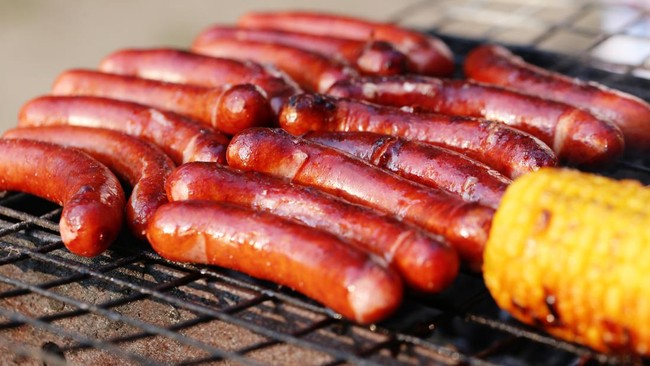
- Processed meats (hot dogs, sausages, nuggets, bacon)
One of the most commonly known risks comes from ready-to-eat processed meats such as sausages, bacon, ham and other processed meats. These are classic ultra-processed foods.
A long-term study in the US found that UPFs rich in meat are strongly associated with colorectal cancer in men. These meats often contain preservatives (such as nitrites) and have been linked to inflammation and DNA damage in the intestinal lining, which can trigger cancer development.
- Sugary drinks (soda, sweet iced tea, sweetened juices)
Sugary drinks are a category of ultra-processed food linked to bowel cancer risk. Particularly in men, high consumption is associated with a significant increase in colorectal cancer in long-term cohort studies.
These drinks contribute to obesity and metabolic stress, while their additives can disrupt the gut microbiome, a key factor in colon health.
- Ready-to-eat frozen meals and fast food
UPFs also include frozen or long-life foods, pizza, burgers and other fast foods. These mixed dishes often contain unhealthy fats, refined carbohydrates, salt and various additives.
A study linked to the BMJ showed that ready-to-eat or reheated meals in women are a risk factor for colorectal cancer.
- Packaged bread and bakery products
Many commercial breads and buns are excessively processed, containing additives such as emulsifiers, preservatives and refined starches. While not all bread is equally harmful, ultra-processed versions are low in fibre and contain inert ingredients that can irritate the gut or trigger inflammation.
- Sugary breakfast cereals
Popular breakfast cereals may be convenient, but many are ultra-processed and loaded with sugar, refined grains and additives. These cereals are low in fibre and associated with unhealthy glycaemic load factors that can contribute to early-stage colorectal cancer.
- Instant noodles, soups and snacks
Instant noodles, packaged soups and snacks made from processed meats or carbohydrate isolates are very common UPFs. According to reviews, these products often contain hydrogenated oils, modified starches and preservatives that are potentially harmful if consumed in excess.
These additives can damage the intestinal lining or alter the entire microbiota, contributing to cancer risk.
- Flavoured yoghurt and dairy-based desserts
Interestingly, not all UPFs show the same risk. Some studies have found that flavoured yoghurt and dairy-based desserts (such as low-fat puddings) are associated with a lower risk of colorectal cancer in women. However, many of these still contain artificial sweeteners and emulsifiers, which can have long-term inflammatory effects.
Source: jawawa.id (https://jawawa.id/newsitem/bowel-cancer-increasingly-threatens-young-people-these-7-foods-are-triggers-1787835109)
Originally published by CNBC Indonesia (https://www.cnbcindonesia.com/lifestyle/20260827163432-33-762839/kanker-usus-banyak-intai-anak-muda-7-makanan-ini-pemicunya), translated from Indonesian