
Borobudur to be Installed with Catra? Government Confirms Still Under Discussion
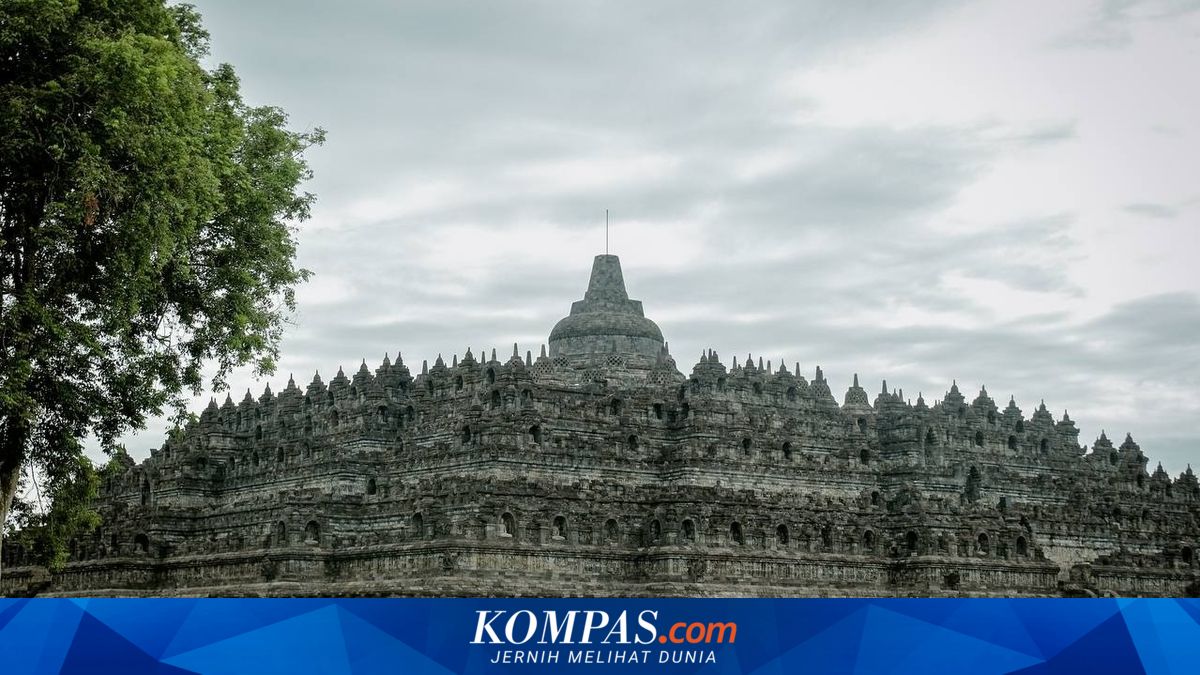
Plans to install a Catra (a symbolic marker in Buddhist teachings) at Borobudur Temple are still in the intensive discussion stage. This was stated by Fadli Zon while attending the Kirab Pusaka Nusantara in the Borobudur area on Friday (17/4/2026). According to Fadli Zon, the installation of the Catra will not be rushed. The government wants to ensure that all decisions are made involving various parties, especially the Buddhist community. He emphasised that the process includes lengthy discussions, including focus group discussions with historians, cultural experts, and archaeologists. All steps are prepared to ensure that this plan does not disrupt the temple’s historical value or structure. Fadli also explained that the installation of the Catra is an implementation of the living heritage concept currently promoted by UNESCO. This concept emphasises that cultural sites are not merely static monuments but evolve and live with society. To affirm this adaptive aspect, the planned Catra will be installed using bronze material, not stone like the temple’s original structure. This material choice is commonly used in various Buddhist sites worldwide—from India to Myanmar. Although discussions have been ongoing, the government assures that the Catra installation will not occur before this year’s Vesak celebration. There are still important stages to complete, such as impact studies, feasibility tests, and socialisation to the Buddhist community. This installation plan itself is part of efforts to address the long-standing aspirations of the Buddhist community conveyed to the government. Fadli hopes this step will strengthen Borobudur’s position as a world-class spiritual and cultural centre. With an estimated global Buddhist population of 500–600 million, the potential for religious tourism is immense. “Even if just one per cent come, the number could reach five to six million tourists,” he explained.