
Boosting Bali's Tourism, Government Prepares Rp 1.27 Trillion for Infrastructure Development
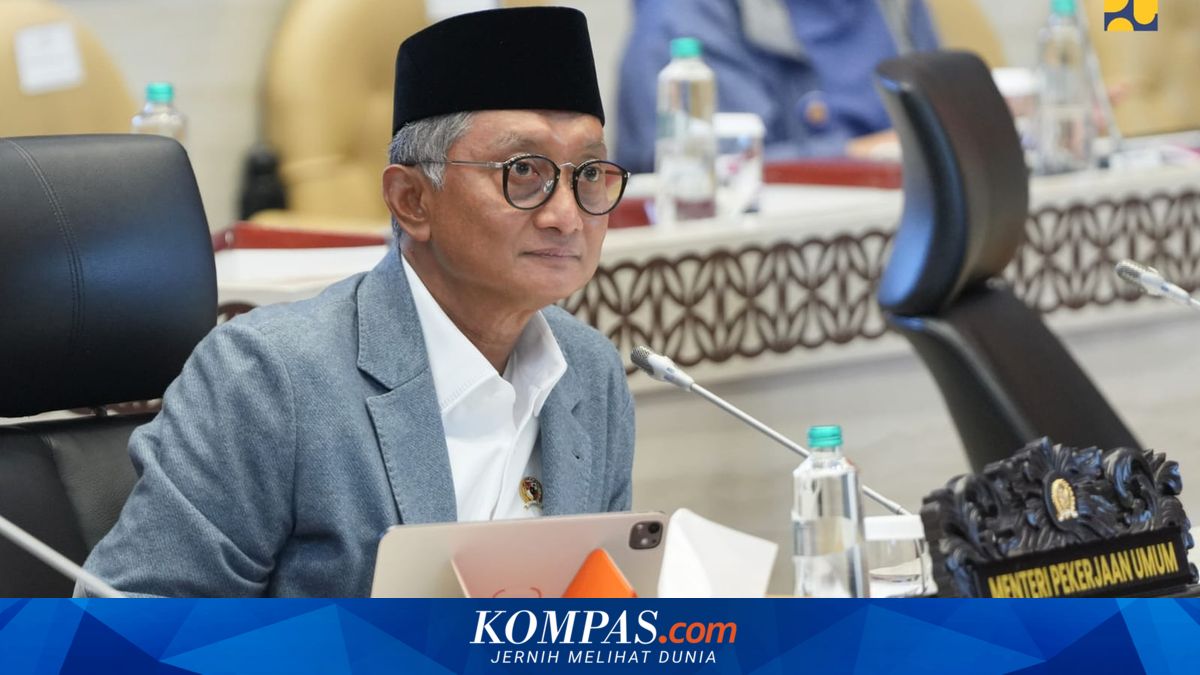
JAKARTA, KOMPAS.com - The Ministry of Public Works (PU) has prepared funds amounting to Rp 1.27 trillion to build integrated infrastructure in the province of Bali. This will strengthen tourism attractiveness while maintaining competitiveness as the face of national tourism. Minister of PU Dody Hanggodo emphasised that infrastructure development in Bali cannot be carried out sectorally but must encompass various aspects in an integrated manner. This starts from area protection, connectivity, environmental sanitation, to support for food productivity. “The Ministry of PU is committed to continuously overseeing the implementation of infrastructure optimally, always ensuring quality, sustainability, and its impact on the welfare of Balinese society, especially as support for Bali to remain the face of national tourism,” said Dody. In the 2026 fiscal year, the Ministry of PU has allocated 206 infrastructure work packages in Bali with a total budget of Rp 1.27 trillion. Infrastructure strengthening is focused on coastal area protection, flood control, improved connectivity, as well as environmental management and food resilience. In coastal protection, the Ministry of PU is continuing the Bali Beach Conservation Project to address beach abrasion. Of the total 215.82 kilometres of critical coastline, around 115 kilometres have been addressed, while the remainder will be continued gradually, including at Candidasa Beach and Kuta-Legian-Seminyak Beach with a completion target by November 2027. In terms of flood control, emergency handling has been carried out at 37 points through rubbish cleaning, embankment repairs, and sediment dredging. In the connectivity sector, plans for the construction of the 96.84 km Gilimanuk-Mengwi Toll Road are being prepared through a Government and Business Entity Cooperation (KPBU) scheme to improve logistics efficiency and reduce travel time. The procurement process for the business entity is targeted to begin in 2027 with operations targeted for 2031. In addition, environmental sector strengthening is carried out through improved waste management from upstream to downstream, as well as support for food resilience through the acceleration of construction, rehabilitation, and maintenance of irrigation networks.