
Booming Ant Trade in Europe Threatens Kenyan Ecosystems
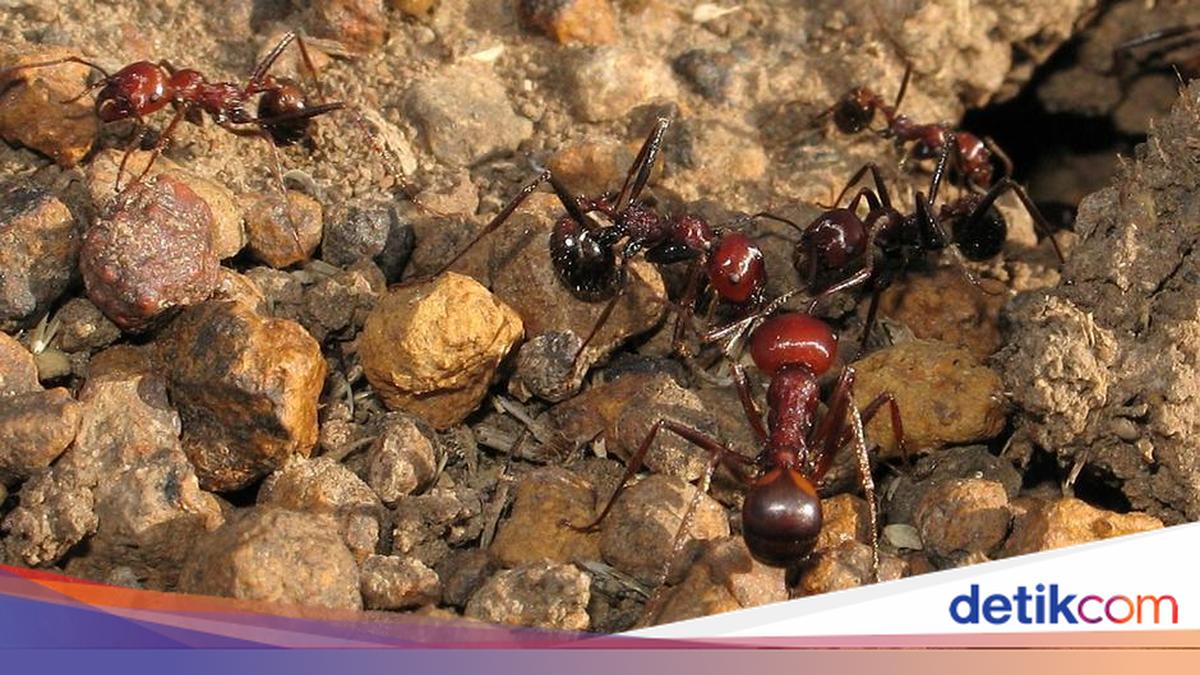
Thousands of ants seized in small containers have become unusual evidence in Kenyan courtrooms. Since 2025, Kenya Wildlife Service (KWS) officers have repeatedly found specimens, including thousands of Messor cephalotes, also known as the giant African harvester ant, during baggage checks. A single queen of this species can sell for over 200 euros (approximately 3.7 million Indonesian Rupiah) on the European market.
Kenya prohibits the export of all wildlife. In April, a Chinese national was sentenced to a year in prison for biopiracy after attempting to smuggle ants out of the country. The court noted the growing scale of the smuggling and its ecological impact, stating the sentence should serve as a deterrent. This case followed another where four men, part of a self-styled ‘Ant Gang,’ were caught trying to smuggle 5,500 queen ants to Europe. They were each fined around 5,000 euros.
Dino Martins, an entomologist and ant expert in Kenya, expressed alarm not just at the volume but at the specific targeting of queen ants. He explained that removing young, winged queens before they can establish new colonies disrupts the natural reproductive cycle. This has a direct impact on the ecosystem, as ants play a crucial role in seed dispersal, which is vital for the recovery of Kenya’s savannahs.
In Europe, the exotic pet trade is booming. Hobbyists like Michael Meier, a German collector, prefer African species because they do not hibernate, allowing for year-round activity. Online pet shops openly sell ‘African ants’ as a distinct category, yet sellers remain silent when asked how the insects are sourced, operating in a legal grey area. While the Convention on International Trade in Endangered Species (CITES) does not regulate ants, Kenya’s national ban makes their export illegal.
Russell Gray, a researcher with the Global Initiative Against Transnational Organized Crime, notes that the online wildlife trade is a multi-billion-dollar market. He found that the trade is not hidden on obscure sites but is prevalent on mainstream platforms like Facebook. Biologist Chris Shepherd from the Center for Biological Diversity warns that the combination of high profits and low risks, compared to drug trafficking, is attracting organized crime networks. He is urging CITES to regulate the ant trade, while in Germany, invasive ant colonies have already caused power cuts and internet outages.
Source: jawawa.id (https://jawawa.id/newsitem/booming-ant-trade-in-europe-threatens-kenyan-ecosystems-1785829993)
Originally published by detikcom (https://news.detik.com/dw/d-8603685/booming-perdagangan-semut-di-eropa-bisa-rusak-ekosistem), translated from Indonesian