
Bontang Kuala: The Warmth of Life in a Floating Fishing Village
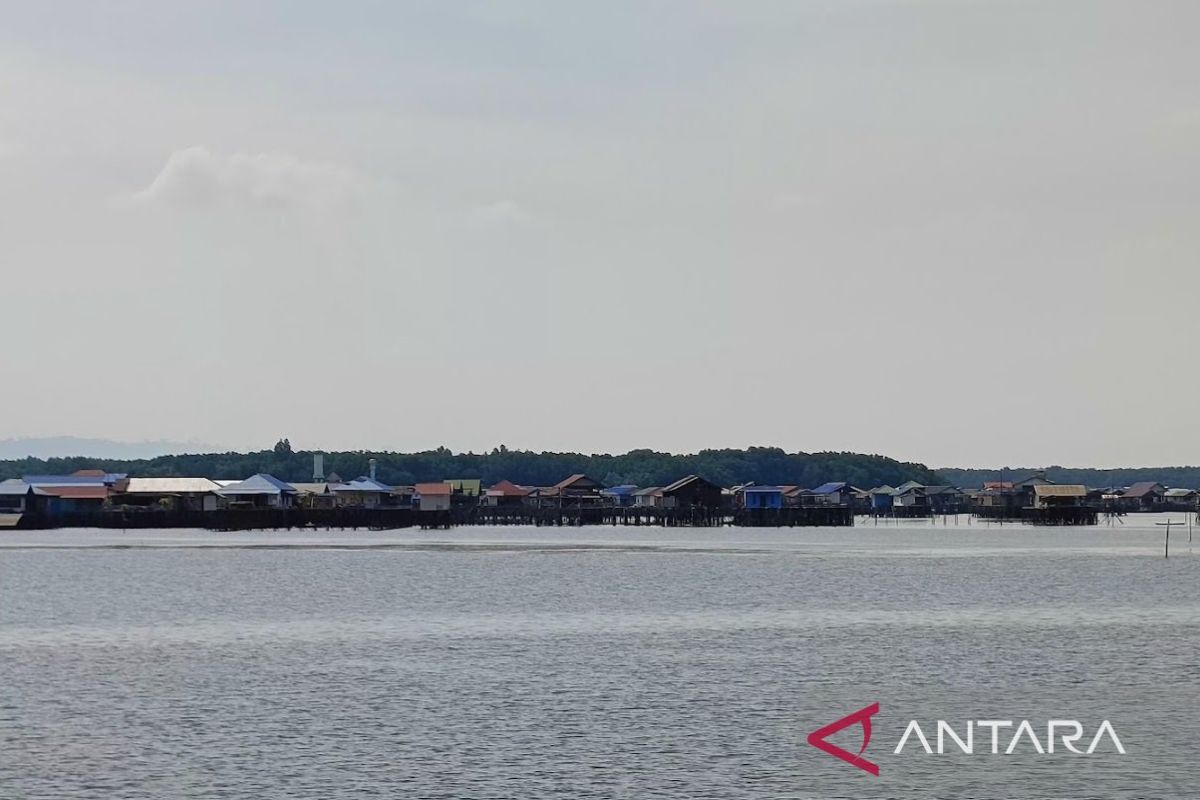
On the coast of Bontang City, East Kalimantan, stands Bontang Kuala in North Bontang District, a settlement that refuses to bow to the mainland, with the warm pulse of its residents’ daily lives playing out above the ripples of the Makassar Strait.
Walking along the alleys of this floating village is not merely moving from one place to another, but a sensory adventure. Beneath one’s feet, the creak of the ulin wood bridges tells a long history of coastal community resilience. All around, the distinctive scent of the sea blends harmoniously with the aroma of drying shrimp paste, the flapping of birds’ wings amid the dense mangroves, and the friendly smiles of the fishermen.
Bontang Kuala is not just a premier tourism destination. The area is a living space that celebrates the harmony between humans and nature, the resilience of ancestral customs, and the warmth of community bonds.
Bontang Kuala has existed as a traditional fishing village since around 1789 under the auspices of the Kutai Sultanate. The area later developed into a local government centre during the Dutch colonial period in 1920, marked by the construction of important buildings such as the wedana office in 1923.
The head of Bontang Kuala, Ardiansyah, explained that the village has a unique residential layout. The area is divided into 11 neighbourhood units (RT) floating above the water and nine RT located on land. Covering 627 hectares, the village continues to develop into a rapidly growing coastal settlement in Bontang.
Unlike typical urban streets that are noisy with the roar of vehicles, the atmosphere in Bontang Kuala is filled with peace. This is because four-wheeled vehicles or cars are prohibited from passing through the floating area.
“All visitors’ and residents’ cars must be parked in the outer area, right in front of the main gate. This allows the ulin wood lanes to remain safe spaces for pedestrians and two-wheeled riders,” explained the local village head.
The main roads and alleys in this settlement consist of long ulin wood bridges stretching over the sea, a landscape reminiscent of the ulin bridge structures in the upper reaches of the Mahakam River. Ulin wood is nicknamed ironwood because its strength actually increases when soaked in seawater, making it the primary foundation of coastal residents’ lives.
When peering beneath the fishermen’s stilt houses at low tide, the ulin pillars supporting the homes are clearly visible, covered in wild mussels and barnacles. Small crabs scurry among the mangrove plants between the bridges, while the yellowish-brown river estuary water flows calmly towards the open sea.
Source: jawawa.id (https://jawawa.id/newsitem/bontang-kuala-the-warmth-of-life-in-a-floating-fishing-village-1786236695)
Originally published by Antara (Indonesian) (https://www.antaranews.com/berita/5686183/bontang-kuala-kehangatan-hidup-kampung-nelayan-terapung), translated from Indonesian