
Bonnie of PDIP Says Colonialism Left Behind Feudalism in Indonesia
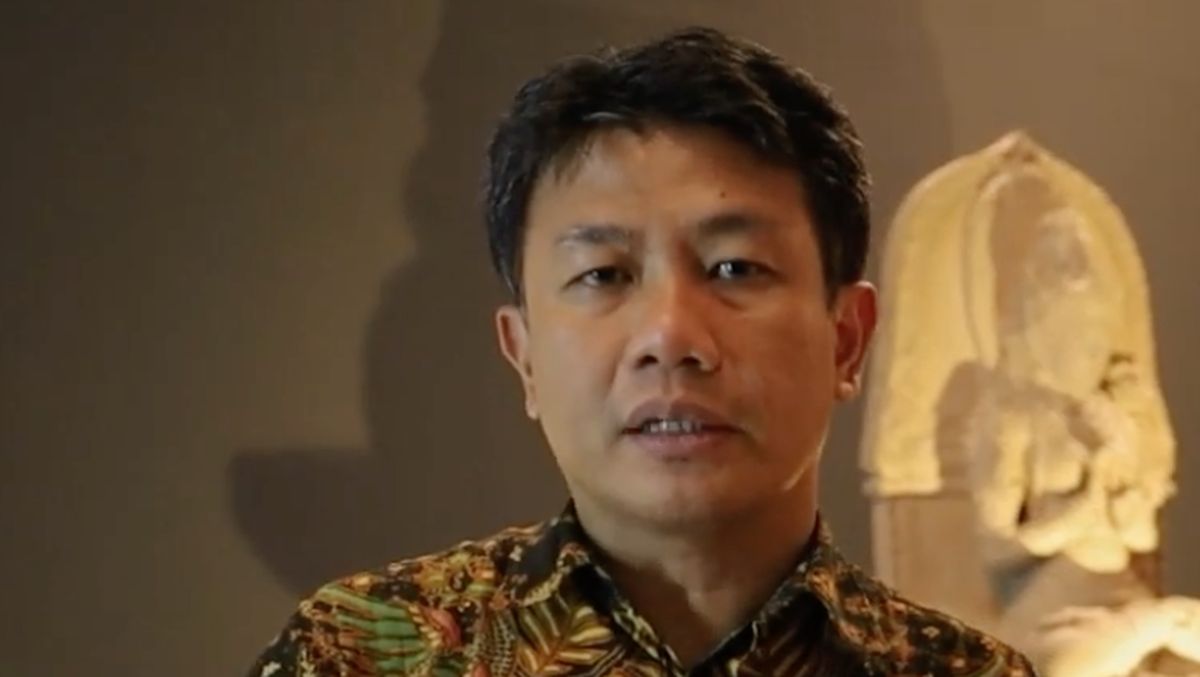
Historian and member of the House of Representatives’ Commission X, Bonnie Triyana, stated that colonialism has bequeathed a feudal mentality that serves as a tool for rulers to control the people, which remains in effect to this day.
Bonnie made this statement while speaking at an event commemorating the end of World War II in Amsterdam, the Netherlands, on Monday (4/5). The discussion was organised by Omroep ZWART and OBA Next Lab, a media and research institution under the public library in Amsterdam.
“Dutch colonialism nurtured feudalism as a way to control the people and natural resource wealth,” Bonnie said in his statement on Tuesday (5/5).
The PDIP politician added that Dutch colonialism, through its trading company the VOC, had created a patron-client relationship between the people and the elite at that time.
He cited Soewardi Suryaningrat, known as Ki Hadjar Dewantara, who was exiled to the Netherlands for his scathing criticism of the colonial government.
“Freedom of speech in the colonial era was a luxury that the people could not possibly obtain. Criticism in the colonial era became an act of heroism,” he said.
Bonnie also criticised the Dutch perspective that views the VOC era as a golden age of the world. However, according to him, what the VOC did in the colonial lands, including Indonesia, was full of violence and exploitation.
Although the era of colonialism has ended, Bonnie assesses that its practices have now evolved into a mentality of discrimination against the people.
“Colonialism has indeed ended following World War II, but coloniality as a mentality that continues to perpetuate discriminatory, exploitative, and racist societal relations still persists to this day,” Bonnie said.
Bonnie invited the Netherlands to have a common perspective in rectifying history. Especially regarding the traumatic period of 1945-1949. According to him, historical lessons or understanding must be free from the shackles of the past.
“Historical education must free itself from the shackles of past trauma while breaking the chain of violence that occurs in the midst of society,” he said.