
Bogor Regent Empowers Villages to Manage Waste, Saving Billions of Rupiah
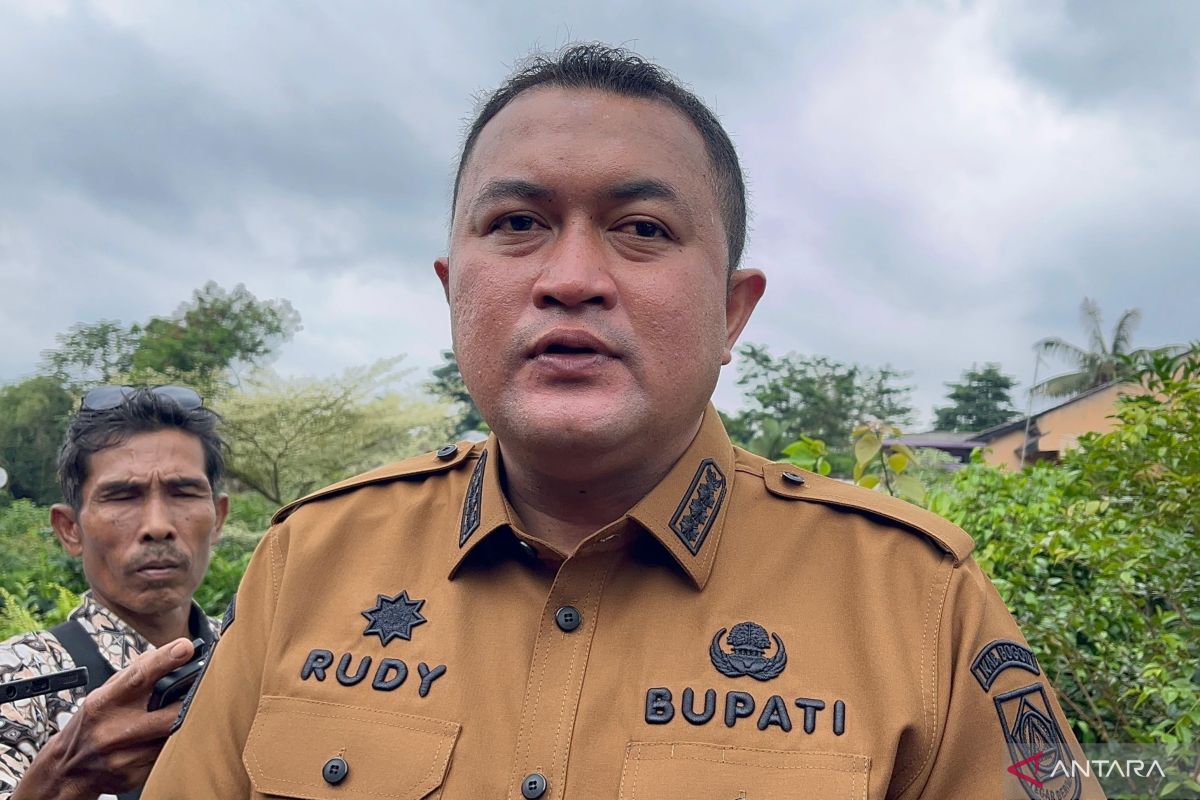
The Regent of Bogor, West Java, Rudy Susmanto, is empowering villages in waste management to cut down on transportation costs that have reached billions of rupiah annually, while also creating a cleaner and healthier environment.
Following a meeting on village acceleration financial assistance with the All-Indonesia Village Government Association (Apdesi) at the Regent’s Office in Cibinong on Wednesday, Rudy Susmanto stated that Bogor Regency, with a population of around 6.19 million people, generates approximately 3,000 tons of waste per day, assuming an average of half a kilogram of waste per person daily.
However, the Bogor Regency Environmental Agency is currently only able to transport around 1,500 tons of waste per day, leaving much of the waste to be handled directly at the village level.
“From that 1,500 tons, it requires costs of more than Rp100 billion per year. Therefore, we want to be more effective and efficient, and this can become an economic income potential for each village,” said Rudy.
He explained that waste management at the village level has no direct correlation with the Waste Processing into Electricity Energy (PSEL) project to be built at the Galuga landfill.
In addition, villages are expected to turn waste management into a new economic potential, for example, through eco-friendly villages and community-based management programmes.
“We want villages to be neat, clean, healthy, and in the future, this waste management can strengthen the community’s economy,” he said.
Rudy added that the Bogor Regency Government is also collaborating with the Environmental Agency to provide direct assistance to several villages in building eco-friendly villages.
According to him, a proactive approach is needed so that the community can more quickly get involved in waste management and maintain environmental cleanliness sustainably.
He cited the arrangement of the Parung area, carried out collaboratively between the local government, village government, neighbourhood units (RT and RW), and the community, so that infrastructure development runs in tandem with improvements in environmental quality.