
Bogor Regency Government Drafts Roadmap for Regional Carbon Market Development
Our focus is to build a documented and sustainable planting system. The potential for carbon trading through IDX Carbon is an added value that can be developed in the future.
Bogor Regency, West Java (ANTARA) — The Bogor Regency Government is drafting a roadmap for developing a regional carbon market as a step towards building a green economy, whilst also opening up opportunities for development financing based on carbon emission absorption.
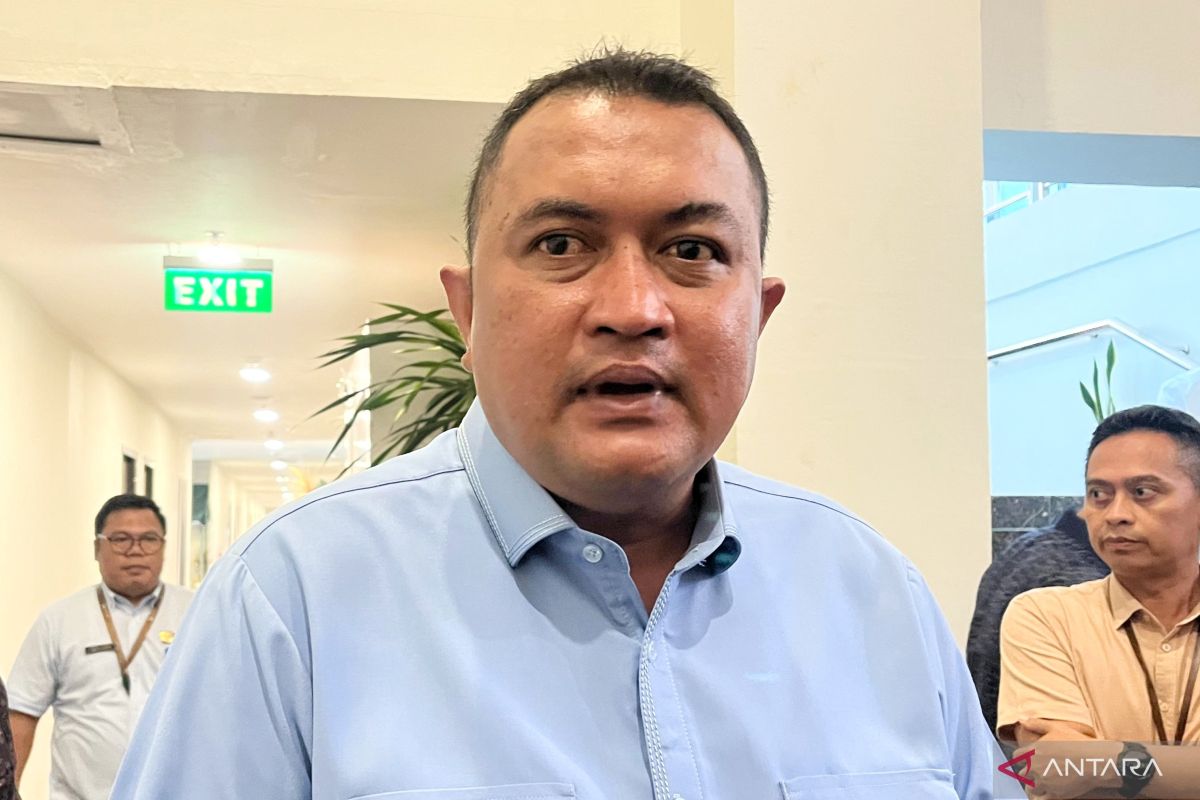
Regent of Bogor Rudy Susmanto, speaking in Cibinong on Tuesday, said the drafting of the roadmap forms part of the region’s strategy to develop its carbon trading potential through the greening programme that has been implemented sustainably to date.
“Our focus is to build a documented and sustainable planting system. The potential for carbon trading through IDX Carbon is an added value that can be developed in the future,” said Regent Rudy.
The roadmap was discussed in a meeting with PT TUV Rheinland Indonesia, which presented the national carbon trading mechanism through the Indonesia Carbon Exchange (IDX Carbon) and the National Registry System for Climate Change Control, also known as the Carbon Unit Registry System (SRUK).
Regent Rudy explained that the regency has carried out a massive and structured tree-planting programme, with around 45,000 trees planted so far.
According to him, the greening programme aims not only to preserve the environment, but is also being prepared to generate economic value that can deliver long-term benefits to the community.
For this reason, Regent Rudy asked the relevant regional agencies, together with PT TUV Rheinland Indonesia, to promptly draw up a land study, vegetation inventory, and a roadmap for developing the Bogor Regency carbon market.
He considered the roadmap important so that the region has a clear direction in developing the green economy, from emissions measurement and carbon absorption through to the registration process and opportunities for trading carbon on the National Carbon Exchange.
Meanwhile, Mukhsin Safiq, a representative of PT TUV Rheinland Indonesia, stated that the company is ready to support the Bogor Regency Government in measuring emissions and developing a carbon market programme that meets standards.
“The integration of vegetation data, land data, and the carbon registry system is key to ensuring that the region’s carbon absorption programme can be recognised under the national carbon trading scheme,” said Mukhsin.
Through the drafting of this roadmap, the Bogor Regency Government aims for carbon market development to become one of the instruments of green financing, whilst also supporting low-emission development at the regional level.