
Bogor Botanical Gardens develops experience-based tourism
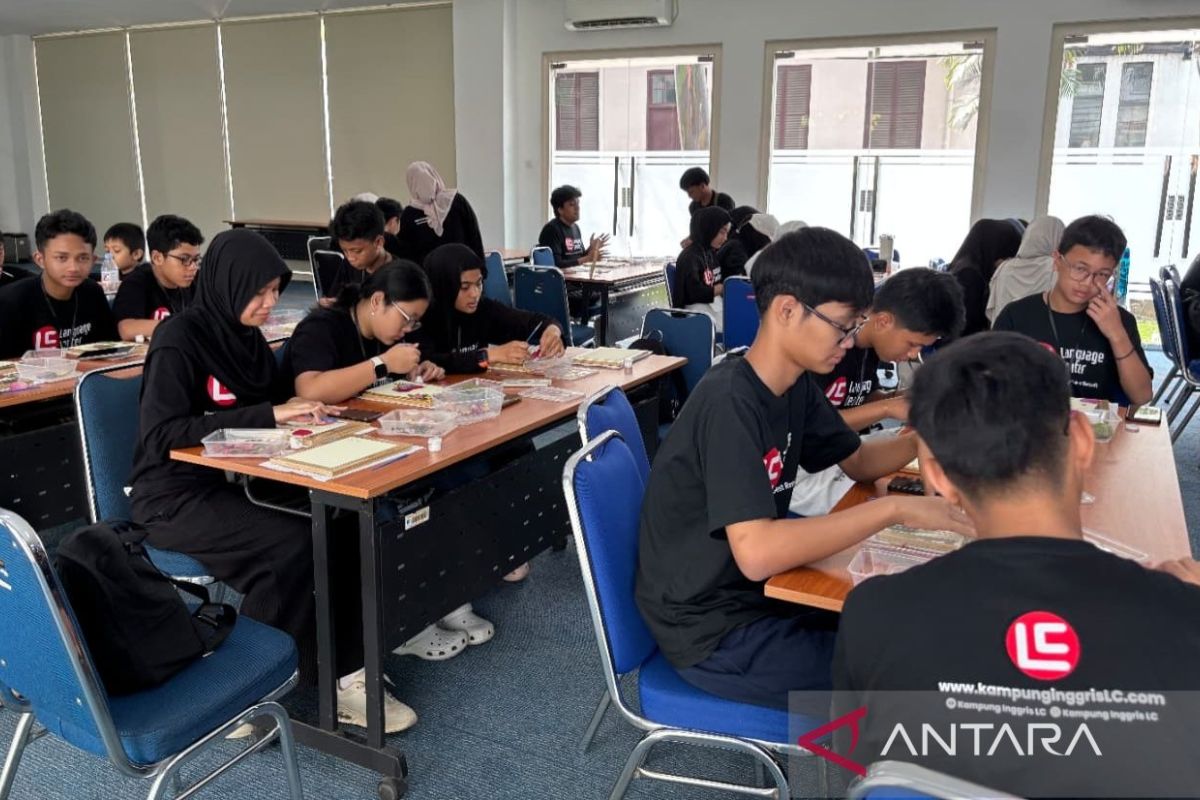
Bogor Botanical Gardens is developing an experience-based tourism concept, inviting visitors to learn about plants and the environment through various educational activities and hands-on practice. General Manager Corporate Communication of PT Mitra Natura Raya, Zaenal Arifin, in Bogor City, West Java, on Monday, said the concept was developed to broaden the function of the botanical gardens as a space for public interaction with nature. “The Botanical Gardens is not just a place to see and enjoy plant collections. Here, the public can also learn and interact directly with plants through various activities,” Zaenal said. According to him, the experience is expected to provide knowledge while increasing public awareness of plant conservation. Bogor Botanical Gardens offers a number of educational classes, including compost making, fruit plant propagation or grafting, fruit plants in pots (tabulampot), kokedama, Nepenthes, terrariums, Platycerium, tissue culture, Oshibana, and ecoprint. In these activities, participants not only receive material about plants but also engage in practice with facilitator guidance. Zaenal explained that the experience-based approach makes the learning process about plants closer to everyday life. Visitors can learn firsthand the process of propagating and caring for plants, as well as turning them into creative products. “When someone is directly involved in a process, their learning experience is different. That is why we designed these classes so participants do not just receive information, but also try and produce something from the process,” he said. One of the activities developed is Oshibana, the art of creating works using dried flowers and leaves arranged using a pressing technique. In the class, participants learn basic Oshibana techniques and then practice them using provided plant materials. The name Oshibana comes from Japanese, with ‘oshi’ meaning pressed and ‘bana’ meaning flower. The dried flowers and leaves are arranged into a composition while preserving their natural shapes and colours. The activity is also used to train creativity, precision, focus, and patience in participants as they compose the plant materials. Zaenal said the educational programmes are open to various groups, from children, families, and students to communities. He added that the experience-based concept is also being implemented at other botanical gardens managed by PT Mitra Natura Raya as a strategic partner of the National Research and Innovation Agency (BRIN), with programmes tailored to the characteristics and plant collections of each garden. “Ultimately, we want people to leave the Botanical Gardens not just with photos or souvenirs, but with new knowledge and experience about plants,” Zaenal said. One Oshibana class participant, Aurora, said she gained new experience in processing flowers after attending the activity. “I also like visual arts and flower aesthetics. After joining this educational class, I now know the process of arranging and preserving flowers using the Oshibana technique,” she said. Another participant, Arsyad, said the activity can be a means to develop creativity while training patience. “This Oshibana art is unique and different from ordinary handicrafts. After attending this class, I learned how to make Oshibana. Besides that, the most beneficial thing I felt was training patience,” he said.