
Bogor and Depok Declared Tramadol Emergency, KPAI Warns of Real Threat to Students
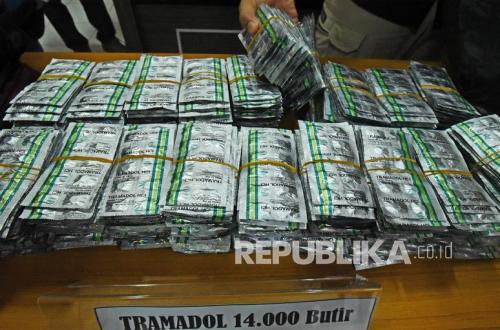
Jakarta — The Indonesian Child Protection Commission (KPAI) is concerned at the findings of the National Agency for Drug and Food Control (BPOM) that the Bogor and Depok areas are in a state of emergency over the abuse of illegal drugs, particularly tramadol and related psychotropics. The widespread circulation of these illegally manufactured pharmaceutical substances is seen as a real threat to the futures of children in the capital’s hinterland.
KPAI Deputy Chair Jasra Putra said the finding represents a real threat of drugs that continue to target young people. The latest data show extraordinary vulnerability among students aged around 11 to 24 years, who are now the main targets of illegal drug trafficking.
‘The situation in Bogor and Depok, declared tramadol emergency by BPOM, is as serious as its impact on neural development, mental health and the future of our children. Student groups are now surrounded by various new modus operandi. This is no longer just juvenile delinquency; it is a form of systematic crime by syndicates exploiting children’s innocence,’ Jasra said in a written statement, quoted on Thursday, 21 May 2026.
According to national data compiled by the Financial Transaction Reports and Analysis Centre (PPATK), from January to October 2025 there were 38,934 drug cases disclosed in Indonesia. According to Jasra, this massive figure proves how the tentacles of the illegal goods business remain and continue to prey on the youth.
‘Syndicates of drugs are now infiltrating through trends in vaping such as vape and pods, using liquid compounds such as avetamin and etomida, and expanding to foods and beverages consumed daily by children,’ Jasra said.
KPAI also found a shift in focus of illegal distribution that leverages digital platforms, instant messaging services, and even the rental of apartments by the day as locations for transactions that move about to evade law enforcement. Moreover, according to Jasra, children face double vulnerability. Children are not only positioned as consumers or victims of abuse, but are deliberately exploited by unscrupulous syndicate members to become couriers or intermediaries in the drug distribution network.
‘Children are used as legal shields or couriers in the illicit drug networks because they are enticed with financial rewards, and there are legal loopholes where penalties for minors differ from those for adults,’ Jasra said.