
Boat Carrying 305 People Sinks, Killing 139; 84 Still Missing
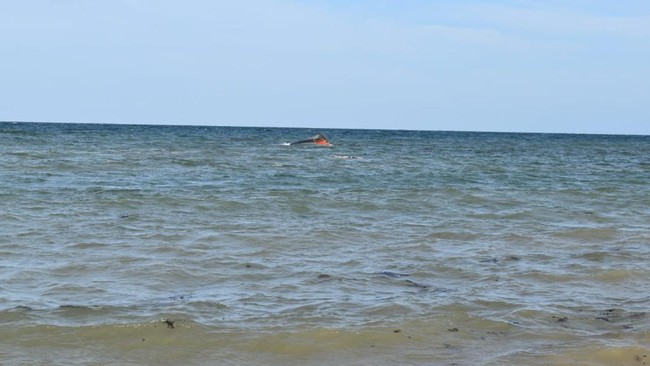
At least 139 migrants, including 15 children, died after the boat they were travelling in sank on its way from Djibouti to Yemen. Another 84 people were reported missing after the accident, which occurred on the night of 8–9 October local time.
The International Organization for Migration (IOM) said in a statement on Sunday (11 October 2026) that the overcrowded boat was carrying 305 people, most of them Ethiopian nationals. It capsized in waters north of Obock, a city in Djibouti.
Alexandre Coissac, head of the IOM mission in Djibouti, said survivors had reported that the boat began sinking soon after they boarded.
“Survivors told me the boat began sinking stern-first as soon as they got on board,” Coissac told AFP.
In an earlier statement, he described the incident as a major tragedy that had claimed many lives.
“This is a devastating loss of life,” he said. “Our thoughts are with the survivors and the families who have lost loved ones or are still waiting for news of their relatives.”
The IOM initially reported 109 deaths and 116 people missing. The death toll was later revised to 139 after more bodies were recovered, while the number missing was adjusted to 84.
Coissac said IOM teams were at the scene with Djiboutian authorities to provide emergency assistance. The tragedy, he said, once again demonstrated the risks migrants face on this route as they seek better livelihoods.
“This tragedy is a stark reminder of the dangers migrants face along this migration route as they seek economic opportunities,” he said.
Migrants typically cross the Bab al-Mandab Strait to Yemen before continuing to Gulf countries. Coissac said he had also spoken with a survivor from the Tigray region of northern Ethiopia, which has again been affected by violence in the conflict between rebel groups and Ethiopia’s federal government.
Of the 109 bodies initially recovered, 52 were men, 42 women and 15 children—nine girls and six boys. According to the latest figures, 82 people survived the accident. All the survivors were Ethiopian nationals.
The IOM said poverty, insecurity and the increasingly severe effects of climate change were among the factors pushing people to risk the dangerous journey, despite growing instability in the Middle East.
The IOM is providing assistance to 64 survivors at a migrant shelter in Obock. Djiboutian authorities are continuing search-and-rescue operations amid fears for those still unaccounted for.
The organisation described the incident as one of the deadliest shipwrecks ever recorded on the migration route to Yemen.
IOM spokesperson Kennedy Omondi Okoth told AFP that about 178,000 people had arrived in Djibouti from Ethiopia between January and October this year. Since 10 September alone, the IOM has recorded more than 20,000 crossings from Ethiopia to Djibouti, despite escalating conflict in Yemen.
Yemen remains embroiled in fighting between the Saudi-backed government and the Houthi rebels, who are supported by Tehran. The Houthis have also become involved in the regional conflict pitting the United States and its allies against Iran.
Coissac said about 150 people on the ill-fated boat had previously been returned from Yemen. Nevertheless, they had tried to cross the same route again.
Most people making the sea journey to Yemen come from Ethiopia and Somalia, Okoth said. Many eventually become stranded in Djibouti, with no certainty about how they can continue their journey.
In 2025, more than 900 migrants were reported dead or missing along the sea route to Yemen. The number of people attempting the journey also rose by 18% compared with the previous period. A shipwreck in March 2026 killed nine people and left another 45 missing.
IOM Director-General Amy Pope said people would not board such a dangerous vessel if they believed they had another, safer option.
“No one gets on a boat like this unless they believe there is no other safe way,” Pope said in a statement. “We cannot continue to treat these deaths as normal. Safe and legal migration pathways save lives. I urge governments and donors to act before the next boat sinks.”
The IOM called on donors and partners to increase support for migration response efforts in Djibouti, including search-and-rescue operations and emergency life-saving assistance.
African Union Commission Chairperson Mahmoud Ali Youssouf also expressed sorrow over the high death toll and stressed the need for urgent action to address the underlying causes of irregular migration.
Youssouf called for efforts to “address the root causes of irregular migration, combat migrant smuggling and human trafficking, and promote safe, orderly and regular migration”.