
BNPT Urges Students to Think Critically on Social Media to Prevent Extremism
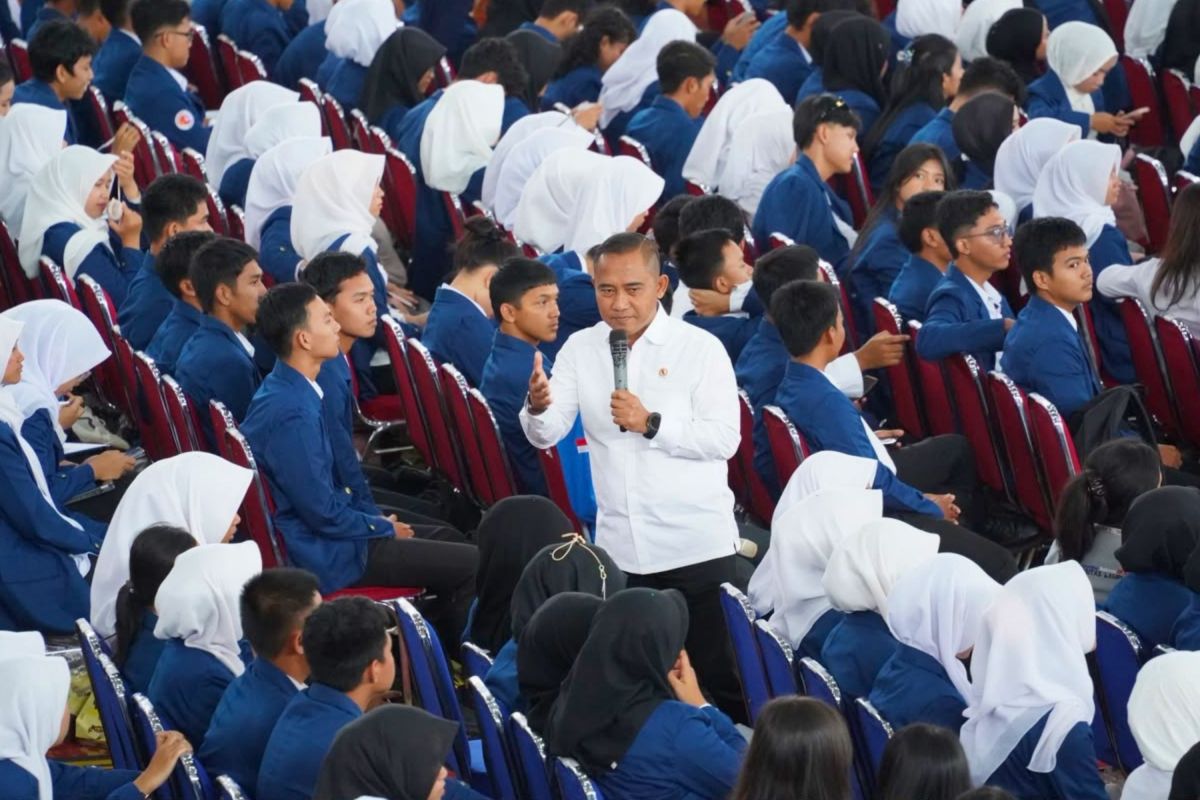
Jakarta (ANTARA) – National Counter-Terrorism Agency (BNPT) head Eddy Hartono has urged university students to think critically when using social media to prevent themselves from being influenced by extremism.
Speaking at a public lecture at the University of Lampung (Unila) in Bandar Lampung on Tuesday (27 October), he said the digital sphere gave young people opportunities to learn, network and express their ideas. However, social media could also be used to spread extremist ideologies and influence people gradually.
“Students need to develop a national identity, critical-thinking skills and social media literacy so they are not easily swayed by narratives that run counter to the values of unity,” Eddy said, according to a statement confirmed in Jakarta on Friday.
BNPT has therefore encouraged students to play an active role as agents of change by fostering a culture of dialogue, respecting diversity and sharing positive messages on campus and online.
Students who encounter something suspicious or feel they need support can use their university’s counselling services or seek advice from the Terrorism Prevention Coordination Forum (FKPT), he said.
BNPT stressed that digital literacy involves more than simply knowing how to use technology. Students should also develop habits of checking whether information is accurate, understanding the context of a message, recognising manipulative appeals and avoiding the hasty circulation of unverified content.
Eddy said national values were an important foundation for creating a healthy digital space. Differences of opinion should not be used as a reason to demean others, undermine unity or justify violence.
He added that critical thinking, openness to dialogue and respect for diversity were all part of young people’s resilience against extremist influence.
Meanwhile, Unila rector Professor Lusmeilia Afriani said character-building and strengthening national awareness were important parts of university education.
“We hope this public lecture will further strengthen students’ character and national awareness. Unila also has counselling services that students can use for support,” Professor Lusmeilia said.
At the same event, Ken Setiawan, founder of the NII Crisis Centre, explained the gradual recruitment methods extremist groups may use to influence individuals.
Understanding these approaches is intended to help students stay alert, recognise signs of harmful influence and take appropriate steps when faced with a concerning situation.
Student Muhammad Faqih Al Fataya said he was committed to preserving diversity and applying social media ethics on campus.
“We are committed to preserving diversity on campus and understanding the ethics of using social media,” Faqih said.
The public lecture, titled “Character Education in National Ethics as an Effort to Prevent Extremist Ideologies”, was organised by BNPT and Unila and attended by more than 1,000 students.
Universities are expected to be not only centres for developing knowledge, but also environments that support dialogue, critical thinking and access to guidance.
Student involvement is an important part of this effort. With a strong sense of national identity and sound digital literacy, young people are expected to use social media to share knowledge, strengthen tolerance and promote peace, helping to build a safe, united and competitive Indonesia towards Golden Indonesia 2045.
Source: jawawa.id (https://jawawa.id/newsitem/bnpt-urges-students-to-think-critically-on-social-media-to-prevent-extremism-1793343165)
Originally published by Antara (Indonesian) (https://www.antaranews.com/berita/5821183/bnpt-ingatkan-mahasiswa-perlu-kritis-bermedia-sosial-cegah-ekstremisme), translated from Indonesian