
BNPT and KPAI Step Up Child Protection from Extremism in the Digital Sphere
Jakarta (ANTARA) – Indonesia’s National Counterterrorism Agency (BNPT) and the Indonesian Child Protection Commission (KPAI) are strengthening their collaboration to prevent the spread of violent extremism linked to terrorism and ensure children are protected in the digital era.
BNPT chief Eddy Hartono said the digital sphere not only gives children access to information and knowledge, but can also expose them to violent content and extremist ideas.
“Current developments in terrorist networks show a shift in recruitment and the spread of ideas towards the digital sphere,” Eddy said when contacted in Jakarta on Tuesday.
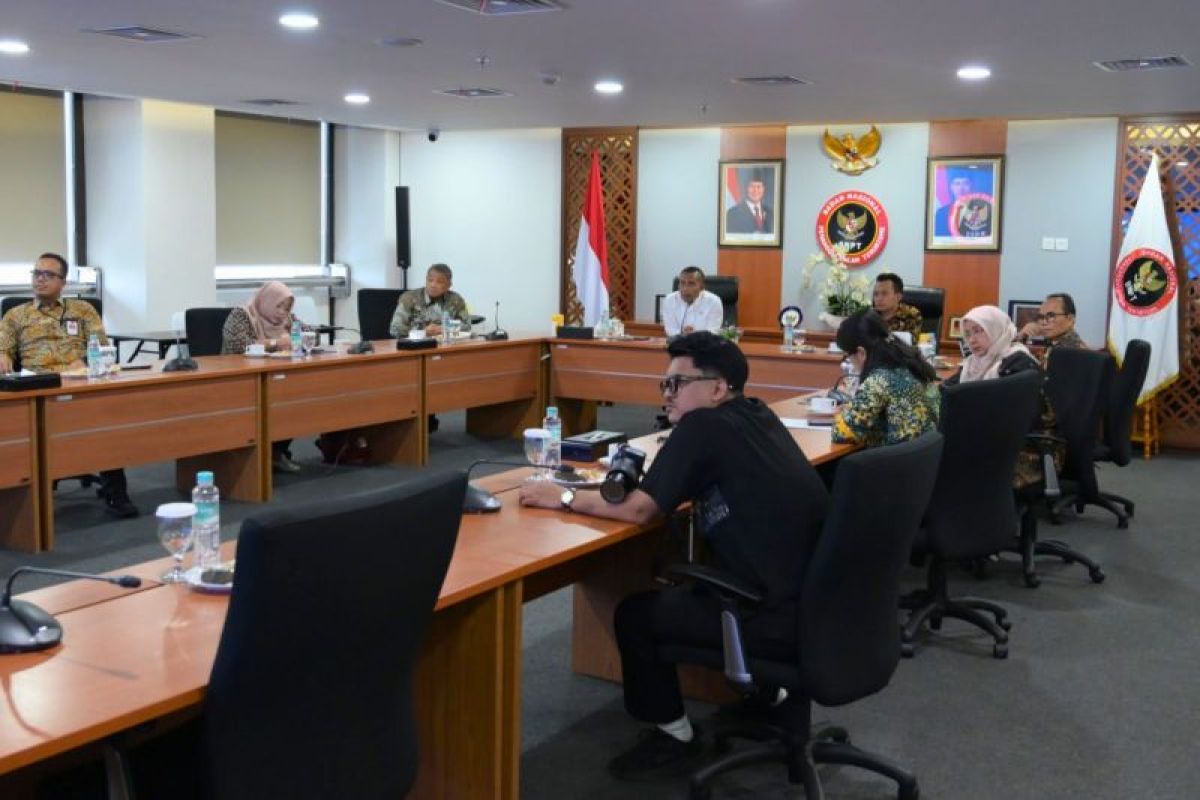
On Thursday (29 October), Eddy received KPAI chair Aris Adi Leksono for a meeting aimed at strengthening cooperation and collaboration.
Eddy said various online communities and social media accounts could be used to spread violent content, potentially influencing the thinking and behaviour of children and young people.
He said terrorist networks were increasingly shifting their activities to the digital sphere.
Several forms of violent extremism, including “salad bar extremism” and nihilistic violent extremism, are spreading rapidly online through communities and social media accounts that discuss violence, crime and even murder.
Eddy said the situation called for preventive measures that go beyond monitoring content, including strengthening family resilience, improving digital literacy and creating environments that protect children from violent ideologies.
The BNPT–KPAI collaboration is also intended to strengthen implementation of Phase II of the National Action Plan for Preventing and Countering Violent Extremism that Leads to Terrorism (RAN PE) for 2026–2029.
The cross-sector action framework is one of the instruments for coordinating prevention programmes and protecting vulnerable groups, including children.
Eddy said implementation of the plan required the involvement of a range of stakeholders through the RAN PE Joint Secretariat.
KPAI has a strategic role in refining programmes related to child protection, strengthening families and children’s participation in prevention efforts, he said.
“We need KPAI to refine programmes, particularly those concerning the protection and empowerment of children,” he said.
Meanwhile, KPAI chair Aris Adi Leksono stressed the importance of paying attention to children’s digital activities, as the online environment also shapes their development, behaviour and social interactions.
“Changes in children’s behaviour are strongly influenced by their digital activities. The situation is that 80 per cent of Indonesia’s 79 million child internet users—around 55.6 per cent of them—use the internet with an average level of digital literacy,” Aris said.
He said the figures underscored the need to improve children’s digital skills and strengthen the roles of families, schools, communities and the government in creating a safe online environment.
However, he stressed that protecting children could not be achieved simply by restricting internet access; it also required guidance, education and the skills to recognise and respond to harmful content.
Under Phase II of the RAN PE, KPAI’s focus includes community and family resilience; education, community skills and employment facilitation; and the protection and empowerment of women, young people and children.
Aris said KPAI’s involvement included prevention through stronger family resilience and education, increased community-based participation by children, and support for responses and recovery within the commission’s remit.
He said the commission was focusing on prevention, family resilience, special protection through education, and community-based participation so that children could play an active role in prevention efforts.
“Under the protection and empowerment theme, we are also involved in response measures geared towards recovery,” he said.
Through the collaboration, BNPT and KPAI aim to better integrate efforts to prevent violent extremism with the child-protection agenda.
The agencies expect their cooperation to strengthen family and community resilience while ensuring children receive adequate support when facing risks in the digital sphere.
Protecting children from digital extremism is a shared responsibility. By strengthening digital literacy, family guidance, education and cross-sector coordination, the digital sphere is expected to become a safer environment for children to learn, grow and participate positively.
Source: jawawa.id (https://jawawa.id/newsitem/bnpt-and-kpai-step-up-child-protection-from-extremism-in-the-digital-sphere-1793696117)
Originally published by Antara (Indonesian) (https://www.antaranews.com/berita/5828759/bnpt-kpai-perkuat-perlindungan-anak-dari-ekstremisme-di-ruang-digital), translated from Indonesian