
BNPP Updates IPKP to Assess Real Conditions of Nangabadau Border Area
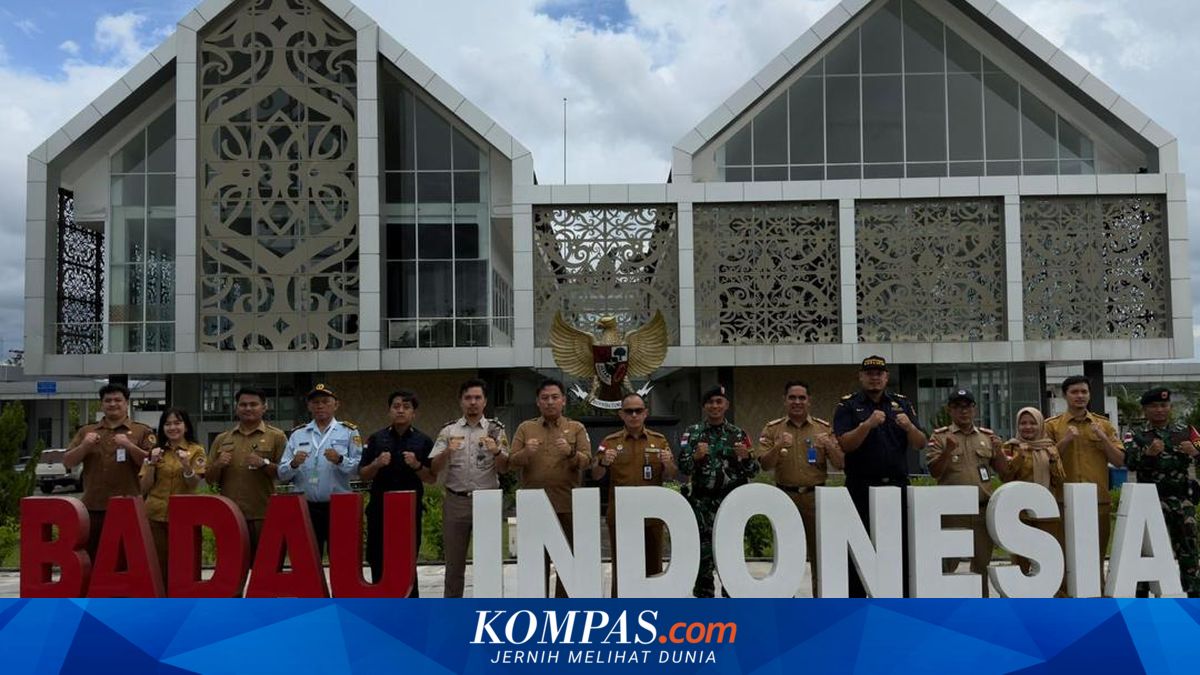
Indonesian National Border Management Agency (BNPP), through the Assistant Deputy for Land Border Potential Management (Asdep PKPD), conducted measurements and updates to the Border Area Management Index at the Nangabadau Border Growth Centre (IPKP PPKP).
The activity took place across three delineated districts: Badau, North Putussibau, and South Putussibau in Kapuas Hulu District, West Kalimantan, on Monday, 18 May 2026.
Representing the Deputy for Border Potential Management at BNPP, Asdep PKPD Topri Daeng Balaw emphasised that the IPKP PPKP measurement and update aims to obtain a realistic overview of the border area’s conditions.
The data will be used to measure development achievements, identify strategic issues, challenges, and problems faced, as well as inform ministry and agency planning and interventions in the national border region.
On defence and security, he noted that the Nangabadau Border Growth Centre still faces challenges in monitoring unofficial cross-border routes into Malaysia.
Geographical conditions and easy access mean border communities often meet daily needs from the neighbouring country.
‘The border area remains vulnerable to illegal goods entry, including narcotics. Therefore, strengthening cooperation between the Border Security Task Force (Satgas Pamtas) and the National Narcotics Agency (BNN), both at provincial and district levels, is essential for monitoring and enforcement,’ Topri said.
According to Topri, developing palm oil plantations, rubber, pepper, freshwater fish, rattan, and non-timber forest products could boost border community welfare, including through export activities.
The presence of Danau Sentarum National Park and Betung Kerihun National Park is also considered strategic for developing conservation-based and sustainable tourism as an economic driver.
On the other hand, logistics and transport connectivity in the border area remain a serious concern. Limited trade distribution infrastructure leads to price discrepancies with neighbouring countries.
In cross-border service aspects, Topri stated that health quarantine functions continue despite limited facilities, such as broken temperature scanners requiring manual checks by officials to prevent infectious diseases.
On immigration and customs matters, coordination with Satgas Pamtas is being strengthened to prevent illegal migrant workers and curb smuggling of goods and commodities.