
BNPP Synchronises Acceleration of Border Development Transformation in Papua
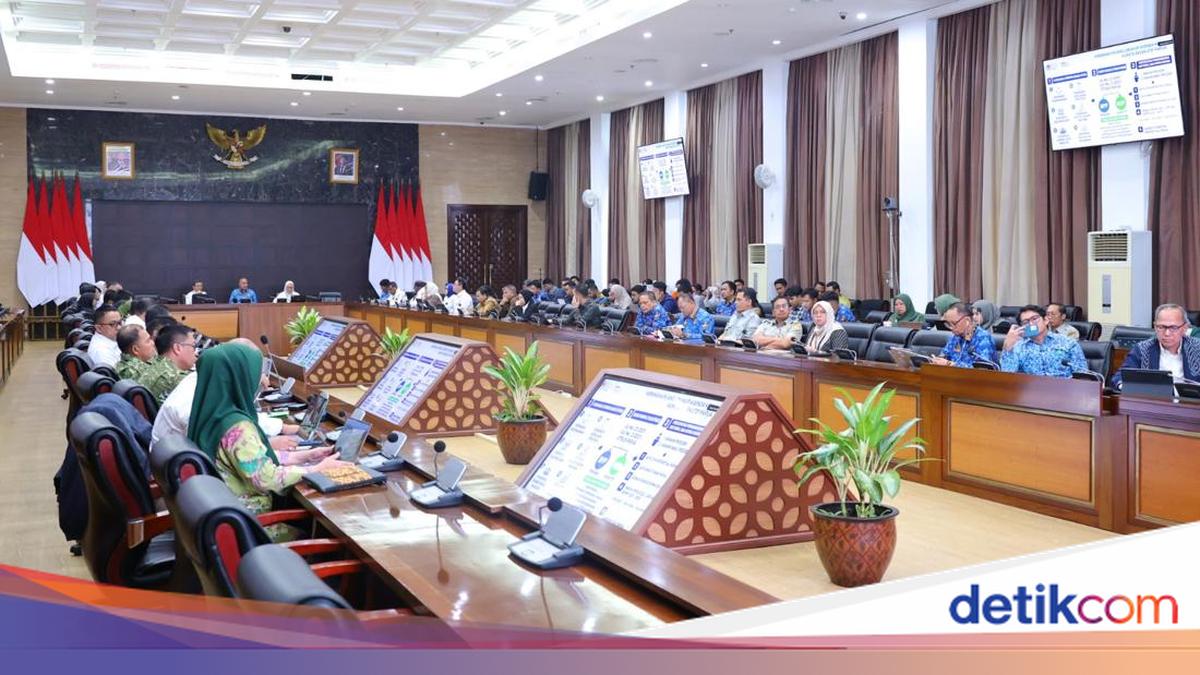
The National Border Management Agency (BNPP) of the Republic of Indonesia participated in the Forum for the Synchronisation of Planning and Implementation of the Papua Development Acceleration Action Plan (RAPPP) 2025-2029. This forum was held alongside the Executive Committee for the Acceleration of Papua Special Autonomy Development and relevant ministries/agencies at the State Secretariat of the Republic of Indonesia.
The discussion forum involved various cross-agency elements, including the Steering Body for the Acceleration of Papua Special Autonomy Development (BP3OKP), the Executive Committee for the Acceleration of Papua Development, the TNI (Indonesian National Armed Forces), the Polri (Indonesian National Police), and the State Intelligence Agency (BIN).
From a border management perspective, the Deputy for National Border Management at BNPP, Nurdin, explained that the current national gateway system in Papua includes three operational Integrated Border Posts (PLBN): PLBN Skouw, PLBN Yetetkun, and PLBN Sota.
Nurdin emphasised that border area development needs to be placed within a broader regional development framework and should not be limited to the function of the movement of people and goods.
“Border development should not merely be viewed as the development of exit-entry points, but also as part of an effort to open economic connectivity in the hinterlands of Papua, particularly with Papua New Guinea,” Nurdin stated in a written release on Friday (2/10/2026).
According to Nurdin, the development of such connectivity must go hand-in-hand with addressing the issues facing border communities, including Papuan citizens currently in Papua New Guinea (PNG) who wish to return, the fulfilment of indigenous rights, and the strengthening of social and economic conditions in the border regions.
Nurdin cited the Yetetkun area as an example, noting the community’s aspirations to improve the environment and develop sustainable agriculture. Such conditions, he noted, could serve as a reference for building a border development approach based on community needs.
“A familial approach and the utilisation of indigenous communities must proceed alongside the development of infrastructure and facilities. In doing so, the potential for friction at the community level can be minimised while simultaneously strengthening the reintegration process for citizens returning to their original territories,” said Nurdin.
Nurdin explained that the familial ties and connections between Papuan communities in PNG and the indigenous communities and customary lands in their original territories represent social capital that should be considered in voluntary repatriation approaches.
In this context, the existence of Integrated Border Posts (PLBN) serves as an initial point to provide community access to border areas.
Connectivity from the PLBN areas to the hinterlands needs to be continuously developed and integrated with physical development programmes and community-based empowerment.
“The presence of PLBN does not only provide legal passage to neighbouring countries, but also begins to open space for the economic movement of communities in the border regions,” Nurdin asserted.
Nurdin added that the needs of border communities are also evolving in terms of settlements, the environment, and economic activities. The community’s desire for decent settlements that are integrated with areas in neighbouring countries indicates that border development must be designed in an integrated manner.
Through this synchronisation, the BNPP positions border management as part of an integrated Papua development agenda. The development of PLBN and regional connectivity is directed not only to facilitate passage but also to open access, strengthen the local economy, and improve the quality of life for people living on Indonesia’s outermost frontier.