
BNPP Strengthens Empowerment and Protection of Fishermen in Maritime Borders
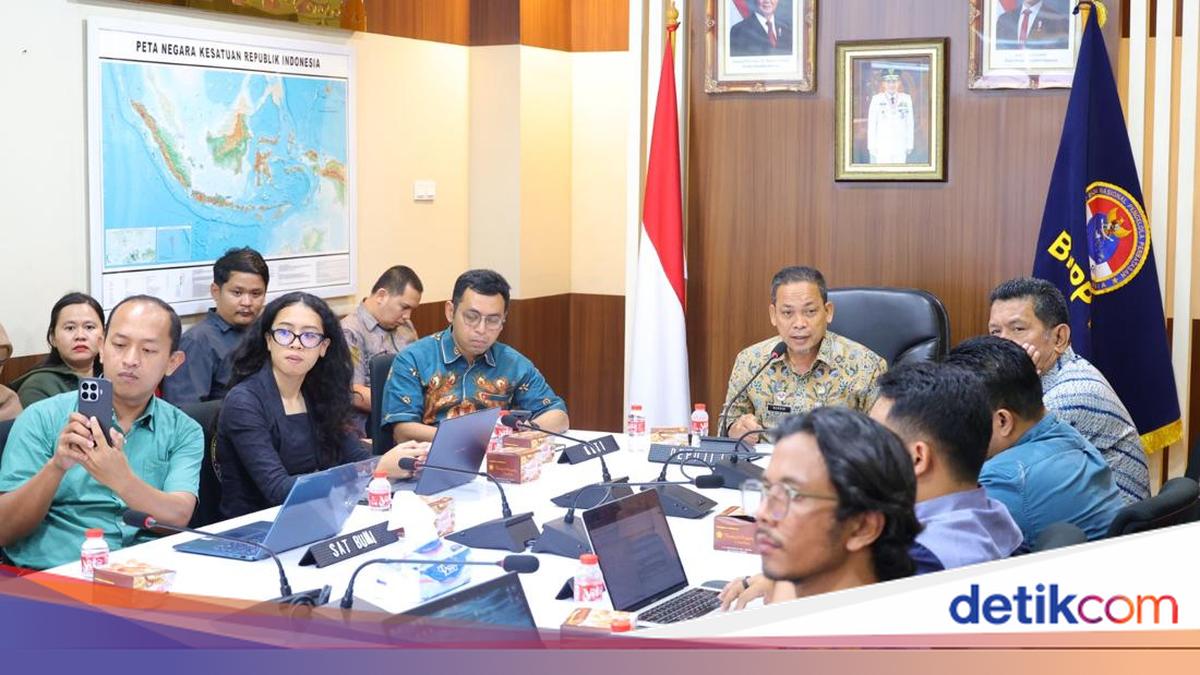
The National Border Management Agency of the Republic of Indonesia (BNPP RI) organised a Coastal Community Empowerment Synergy Forum. The forum was held to strengthen security, safety, and law enforcement regarding maritime border boundaries.
Led by Nurdin, the Deputy for National Border Management of BNPP RI, the forum involved several civil society organisations, namely the Indonesian Traditional Fishermen’s Union (KNTI), Indonesian Maritime Ecology (Ekomarin), the People’s Coalition for Fisheries Justice (KIARA), and the Satya Bumi Foundation. The event took place at the BNPP RI Permanent Secretariat Office Meeting Room, Jakarta, on Friday (2/10).
Nurdin stated that fishermen hold a strategic position in maritime border management because their activities reach areas that cannot always be monitored through regular official patrols. Therefore, the empowerment of fishermen needs to be part of the efforts for protection as well as the strengthening of security and law enforcement in border regions.
“Fishermen are the group closest to the border areas because their activities extend to maritime regions that cannot always be reached through regular official patrols,” Nurdin said in a written statement on Saturday (3/10/2026).
According to Nurdin, the issues faced by fishermen in border areas involve various factors, ranging from unintentional border crossings due to vessel damage, ocean currents, and bad weather, to intentional activities that have the potential to cause legal issues with neighbouring countries.
“The empowerment and protection of fishermen need to be developed into an integrated governance system that integrates various potentials and authorities,” said N_urdin.
He added that such an approach aligns with the mandate of BNPP RI to coordinate ministries, agencies, and local governments in border management.
Through this collaboration, fishermen will not only be a group receiving protection but can also serve as part of the security and law enforcement system at the national borders.
Gutmen Nainggolan, the Assistant Deputy for Maritime and Air Border Management of BNPP RI, noted that Indonesia shares maritime borders with 10 countries, both in the context of the Exclusive Economic Zone (EEZ) and the continental shelf. This situation means that fishing activities in border areas are directly related to border management and international relations.
“The main goal of the coastal community empowerment synergy is not merely to reduce the number of cases, but to ensure that fishermen can continue their work safely, comfortably, and securely,” explained Gutmen.
Representing civil society, KNTI highlighted the changes in fish resources due to climate change, which also increase risks for small-scale fishermen. The General Chairperson of the KNTI Central Executive Board, Dani Setiawan, said that fish migration to further waters is driving fishermen with vessels of up to approximately 5 GT to expand their fishing grounds.
This condition can increase the risk of accidents as well as the possibility of fishermen entering the territory of other nations.
Dani also proposed integrated data collection regarding vulnerable areas and cases involving fishermen in border regions. Consolidating data from various reports is considered essential for identifying patterns of occurrence, mapping vulnerable areas, and serving as a basis for prevention. Furthermore, protection aspects must also consider the families and the sustainability of fishermen’s livelihoods after facing legal issues abroad.
Meanwhile, KIARA representative Fikerman Saragih emphasised the importance of mapping the traditional practices of coastal communities in border areas. According to him, traditional relationships between communities, such as Talaud-Sangihe with the Philippines and Rote Ndao and Kupang with the waters surrounding Australia, should be part of the considerations in formulating fisherman protection policies.
Fikerman also stressed the need for monitoring, supervision, legal aid, and handling mechanisms for fishermen facing problems in other countries.
Representing Ekomarin, the group assessed that increasing the capacity of fishermen should be directed at the grassroots level, particularly regarding the understanding of territorial boundaries, the use of navigation equipment, and monitoring systems. This is so that fishermen can know their vessel’s position and receive warnings when approaching the territory of another country.
The forum served as a space for BNPP RI to identify problems and formulate the necessary handling for fishermen in border areas. Cross-stakeholder synergy is directed towards building integrated prevention, protection, and response mechanisms so that fishing activities can proceed safely while contributing to the maintenance of national borders.