
BNPP Strengthens Border Development Data Through 2026 IPKP Update
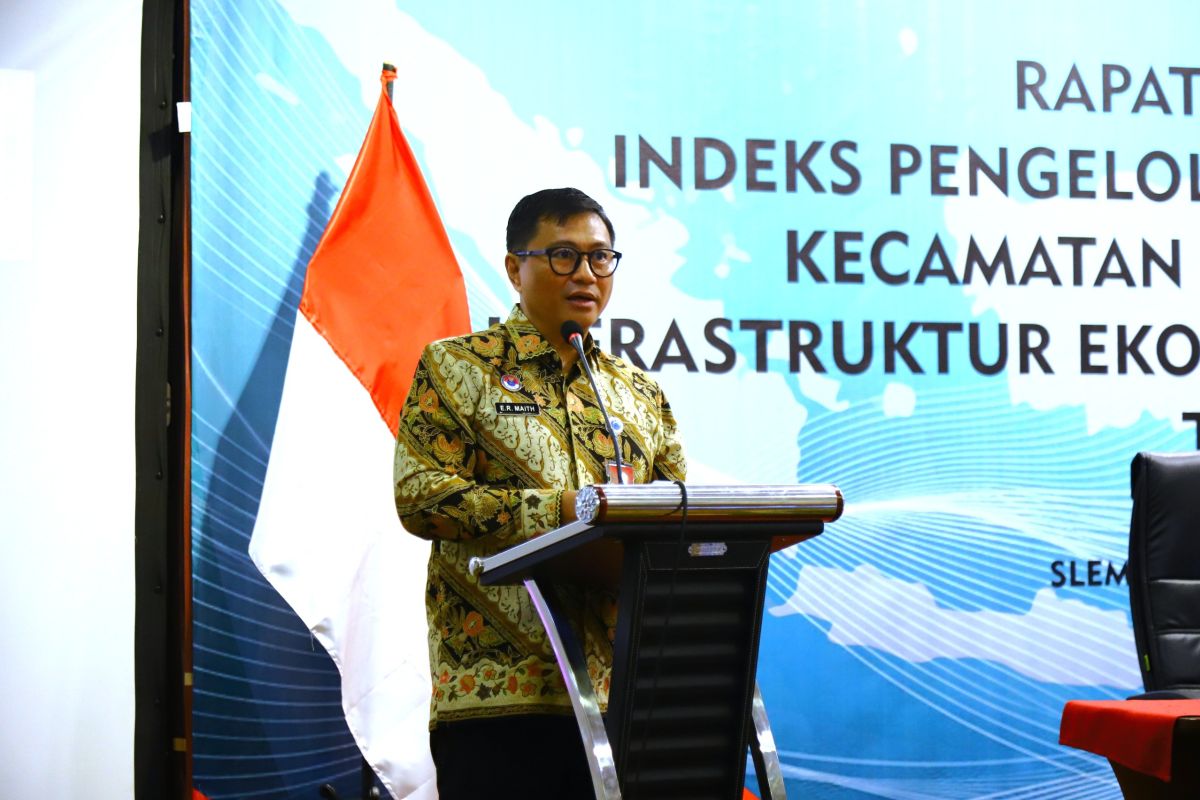
The National Border Management Agency (BNPP) of Indonesia is enhancing the accuracy of border development data through the update of the 2026 Index for the Management of Priority Border Sub-districts for Economic Infrastructure and People’s Welfare (IPKP KPP IEK).
Irjen Pol. Edfrie R. Maith, Deputy for Border Area Management at BNPP RI, stated in a press release in Jakarta that the update of the IPKP KPP IEK serves as a strategic instrument to strengthen coordination between central and regional governments in executing integrated border area management functions. “BNPP RI wants to ensure the availability of a more comprehensive and measurable picture regarding the development conditions in the country’s border areas,” Maith said.
He noted that the data and evaluation results obtained will serve as a vital foundation for drafting more targeted and effective development plans. Furthermore, the 2026 IPKP KPP IEK update reflects BNPP RI’s commitment to encouraging synergy across ministries, agencies, and local governments.
During the session, Maith revealed that the 2026 IPKP KPP IEK achievement reached 0.64, surpassing the targets set in the 2025-2029 National Medium-Term Development Plan (RPJMN) and marking a 0.01 increase from the previous year. “This increase was primarily driven by improvements in the settlement and socio-cultural dimensions, particularly through enhanced access to healthcare services and settlement quality,” he added.
Based on the 2026 calculations, the average value for the education variable was recorded at 0.88, health at 0.38, markets at 0.53, and settlement utilities at 0.76. However, Maith highlighted persistent development gaps between different border regions, noting significant disparities between high-achieving regencies/cities and lagging border areas, particularly in eastern Indonesia.
Maith concluded by emphasising that strengthening access to basic education, improving healthcare service quality, providing market facilities, and accelerating the development of underdeveloped regions must remain a collective focus. These efforts are expected to drive border areas to grow as new, competitive growth centres, thereby increasing community welfare and strengthening national resilience.