
BNPP Organises Technical Guidance to Prevent Fraud, Strengthen Integrity and Governance
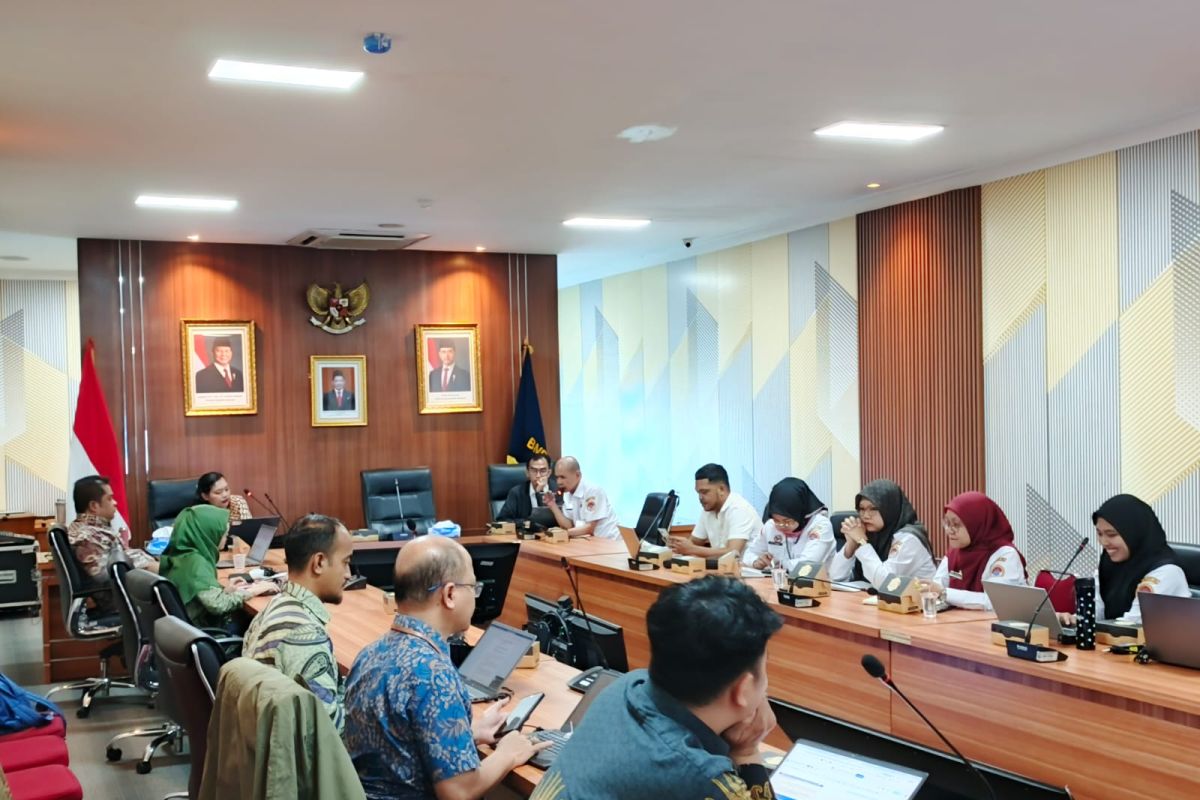
Jakarta (ANTARA) - The National Border Management Agency (BNPP) of Indonesia held a technical guidance session on Fraud Control Plan (FCP) and Fraud Risk Assessment (FRA) to enhance organisational integrity, prevent fraud, and improve financial management and performance at both the central office and border crossing points.
“We appreciate the assistance and support from the Financial and Development Supervisory Agency (BPKP). This technical guidance is important to ensure that all work units have a common understanding in building a strong and integrated control system,” said the Head of the Planning and Cooperation Bureau of BNPP, Budi Setyono, in a written statement in Jakarta, Friday.
This activity is also a strategic step for BNPP as a follow-up to the assessment of the Integrated Government Internal Control System (SPIP).
Budi said that strengthening fraud control is an urgent need in line with the increasing responsibilities and assets managed by BNPP.
He added that BNPP gives serious attention to the three main cycles of control, namely mitigation, anticipation, and response to potential violations.
According to him, strengthening this control is crucial considering that BNPP manages valuable assets at 15 border crossing points (PLBN) which have the potential to provide financial benefits for the country, while also having a level of vulnerability in the provision of services for the mobilisation of people and goods, including export-import activities in border areas.
This technical guidance presents a team from BPKP from the Directorate of Regional Financial Governance and the Directorate of Investigation. In the initial session, the BPKP team introduced the Corruption Control Effectiveness Index (IEPK) as one of the important components in the assessment of the Integrated SPIP.
It was conveyed that the IEPK is built on three main pillars, namely the capability of managing corruption risks, the implementation of prevention efforts, and the mechanism for handling corruption incidents.
The BPKP team also highlighted a number of areas that still need to be strengthened within the BNPP, including the need for a more comprehensive and consistent anti-corruption policy, the preparation and implementation of SOPs that include prevention, detection, and response strategies, strengthening corruption risk management, and optimising a safe, credible, and easily understood whistleblowing system for employees.
In addition, participants were introduced to the Parikshana application as a survey instrument for employee perceptions of the effectiveness of integrity risk control. This application is designed to generate more valid and reliable data, so that the results of the IEPK measurement can reflect the actual condition of the work unit and become the basis for refining anti-corruption policies and strengthening internal reporting systems.
The discussion then continued with the preparation of an action plan to strengthen corruption control in an interactive manner. In this session, concrete steps that can be taken by BNPP were discussed, starting from strengthening anti-corruption policies and SOPs, arranging corruption risk management in main and supporting activities, to utilising the results of the Parikshana survey as the basis for preparing a more operational and measurable action plan.
In the material deepening session, the BPKP team explained the concept of fraud and fraud risk, the difference between operational risk and fraud risk, and the factors that make an organisation vulnerable to fraud, by linking it to the tasks and functions of BNPP.
Participants were also guided to understand the stages of the FRA cycle, from setting the context to risk control, and the preparation of a fraud risk register that is in line with the BNPP’s risk management framework.
Through discussions and exercises, participants identified various fraud risks in the main business processes, such as financial management, payment of salaries and allowances, business trips, management of facilities and infrastructure, to operational activities at PLBN. Various fraud scenarios were discussed as the basis for preparing a specific and root cause-based Action Plan (RTP).
As a follow-up, Budi Setyono said that work units within the BNPP Permanent Secretariat are expected to immediately improve the risk documents and action plans for corruption control.
“The results of this technical guidance must be implemented in reality. The identified fraud risks need to be included in the risk register and followed up with an integrated RTP, so that the strengthening of the Integrated SPIP and the improvement of the IEPK score can continue sustainably,” he concluded.
Through the implementation of this technical guidance, BNPP reaffirms its commitment to continue building clean, transparent, and accountable governance, while strengthening an anti-corruption culture as the foundation for managing border areas in a professional and integrated manner.