
BNPP Emphasises Importance of Managing Outermost Small Islands in Archipelago Region Bill
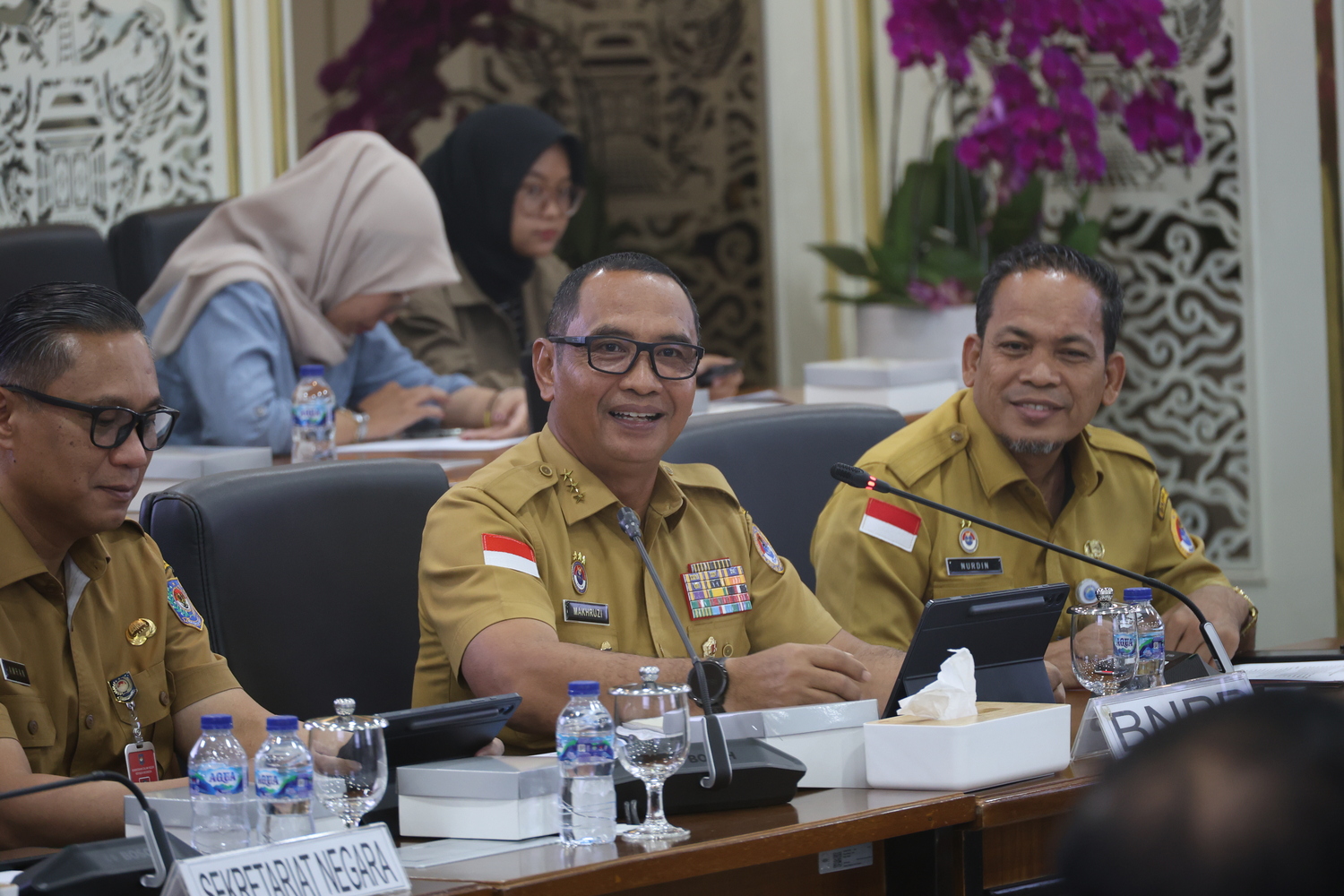
The National Border Management Agency (BNPP) of the Republic of Indonesia has emphasised the importance of managing Outermost Small Islands (PPKT) in national border areas by integrating security and sovereignty aspects with the fulfilment of basic needs and community welfare. This view was presented by the Secretary of BNPP RI, Makhruzi Rahman, during a Hearing (RDP) with the Special Committee (Pansus) for the Bill on Archipelago Regions of the House of Representatives (DPR RI) in the Parliament Complex, Senat, Jakarta, on Tuesday (1/9/2026).
Makhruzi, representing the Minister of Home Affairs as the Head of BNPP RI, stated that these outermost small islands are part of Indonesia’s national strategic interests, meaning their management must consider regional characteristics, population conditions, and development needs for each island.
“Outermost Small Islands are part of national strategic interests. Their management needs to consider aspects of national security and sovereignty, as well as the fulfilment of basic needs and community welfare,” said Makhruzi.
In its management approach, the BNPP differentiates the characteristics of these islands based on their population status. For uninhabited islands, priority is directed towards maintaining sovereignty and territorial integrity.
Meanwhile, inhabited islands require an approach that combines security, welfare, and sustainability through the provision of basic services and the development of community activities.
On uninhabited islands, security needs can be met through the presence of the Outermost Island Security Task Force (PAMPUTER), Indonesian Navy or Marine posts, security and weather observation stations, navigation officers, lighthouse keepers, as well as conservation and environmental officers.
In addition to security, the physical protection of the territory is also a key part of managing these islands, particularly to face abrasion and changing environmental conditions. These needs include infrastructure to support non-military defence and security, such as abrasion embankments, revetments, and support for border patrols.
On inhabited islands, several issues require attention, including limited access to education, healthcare, transportation, and economic opportunities. These conditions have the potential to drive the migration of the productive-age population to main islands in search of better access to basic services and economic opportunities.
“Meeting the basic needs of the community on outermost small islands is vital to maintaining the continuity of community life while simultaneously upholding the resilience of border regions,” said Makhruzi.
Makhruzi believes that addressing the depopulation of these islands cannot be achieved solely through population resettlement; it must be accompanied by the development of a life ecosystem that allows people to settle, access basic services, engage in productive activities, and live prosperously and sustainably.
In this context, connectivity is a crucial factor. The construction of roads, ports, and airports in border areas not only opens access for the community to basic services and economic activities but also serves a strategic function in supporting defence, security, and border surveillance.
Regarding funding, the BNPP RI assesses that national strategic needs in these islands must continue to receive support through the State Budget (APBN), given that many island regions in border areas have limited fiscal capacity.
Under the draft Master Plan for the Management of National Border Areas and Border Regions (Renduk PBWNKP), strategic needs such as basic infrastructure, connectivity, defence, security, and national-scale basic services are planned to be sourced from the APBN through various ministries and agencies.
In line with this, Makhruim stated that the agency is encouraging ministries and agencies that are members of the BNPP to prioritise the preparation of programmes, activities, and budget allocations related to these outermost islands. This step is necessary to ensure that the needs of communities on small border islands are accommodated in national development planning.