
BNPP and Karimun Regency Accelerate Border Security Infrastructure
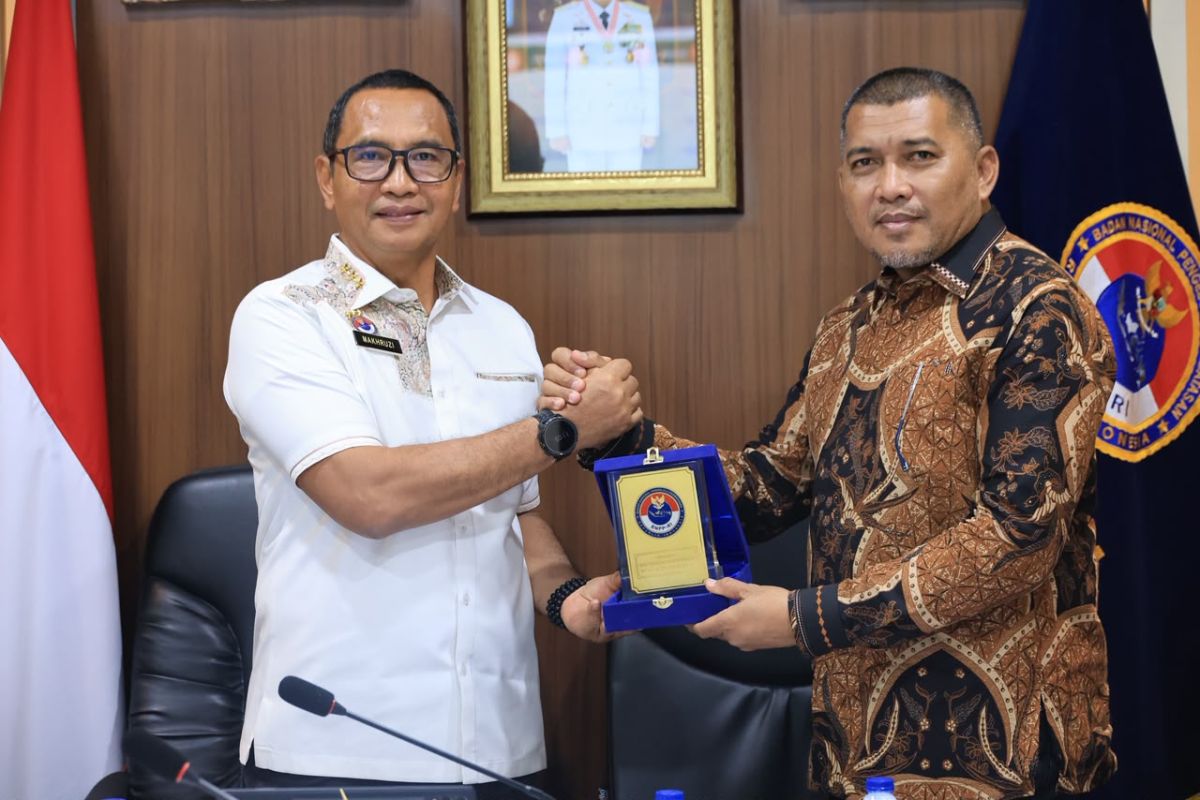
The National Border Management Agency (BNPP) of the Republic of Indonesia has facilitated an audience with the Deputy Regent of Karimun, Rocky Marciano Bawole, to discuss the acceleration of infrastructure development and the fulfilment of basic community needs in the border area of Karimun Regency, Riau Islands.
The audience, held on Friday (18/9), was part of a coordination effort between the BNPP and local government to discuss priority development needs in Karimun, particularly regarding basic services, improved connectivity, economic strengthening, and security aspects in the border region.
BNPP Secretary Makhruzi Rahman stated that fulfilling basic needs, especially access to clean water and electricity, is a crucial aspect of border area management. “All regional priorities, especially in border areas, are fundamentally the same. This concerns basic services, water, and electricity. Under the Border Law, the BNlar also coordinates the fulfilment of basic needs on border islands,” said Makhruzi.
During the meeting, he also presented the targets and achievements of the 2026 Action Plan for the Management of National Border and Border Area Programmes (BWN-KP) for Karimun Regency. The discussed programmes include the rehabilitation and renovation of schools, the construction of government facilities in border areas, the development of Raja Haji Abdullah Karimun Airport, and the expansion of agricultural and plantation sectors.
In addition to development, the BNPP highlighted several border management issues in Karimun, specifically regarding the mobility of Indonesian Migrant Workers (PMI), illegal crossings through unofficial routes or ports, and the potential for human trafficking, as well as the smuggling of goods, including narcotics, cigarettes, ammunition, and tin sand.
Makhruzi emphasised the need to strengthen the security sector to anticipate various illegal activities while ensuring that the movement of people and goods in the border area complies with regulations.
From the local government’s perspective, Deputy Regent of Karimun Rocky Marciano Bawole presented six flagship programmes that direct the development of Karimun Regency. Rocky noted that Karimun possesses several economic potentials that can be developed, including maritime industry, manufacturing, construction, and services, international trade and logistics, tourism, creative economy, MSMEs, fisheries, and metal and rock mineral mining.
As a maritime border region facing Malaysia and Singapore in the Malacca Strait, Karimun holds a strategic position for international shipping, industry, logistics, cross-border economic cooperation, and the development of the marine and fisheries sectors.
To support development by 2027, the Karimun Regency Government has proposed several priority programmes, including the construction of sewage sludge treatment plants and supporting transport facilities, as well as new piping networks for the Drinking Water Supply System (SPAM).
Other proposals include the revitalisation of the Sri Karimun Market, 500 metres of coastal protection at Pongkar, and the construction of communal Solar Power Plants (PLTS). Further plans involve upgrading national roads on Karimun Island, adding maritime fleets, procuring sea ambulance speedboats, installing street lighting in the Moro and Meral Barat districts, constructing a seawall/SWRO in Tokong Hiu, and developing the Tokong Hiu Navy Post. Additionally, the plan includes building primary schools in Karimun and Tebing, procuring 3,000-litre capacity fire engines, and constructing swimming pools.