
BNPB Urges Preparedness for Extreme Weather Warnings Across 26 Provinces
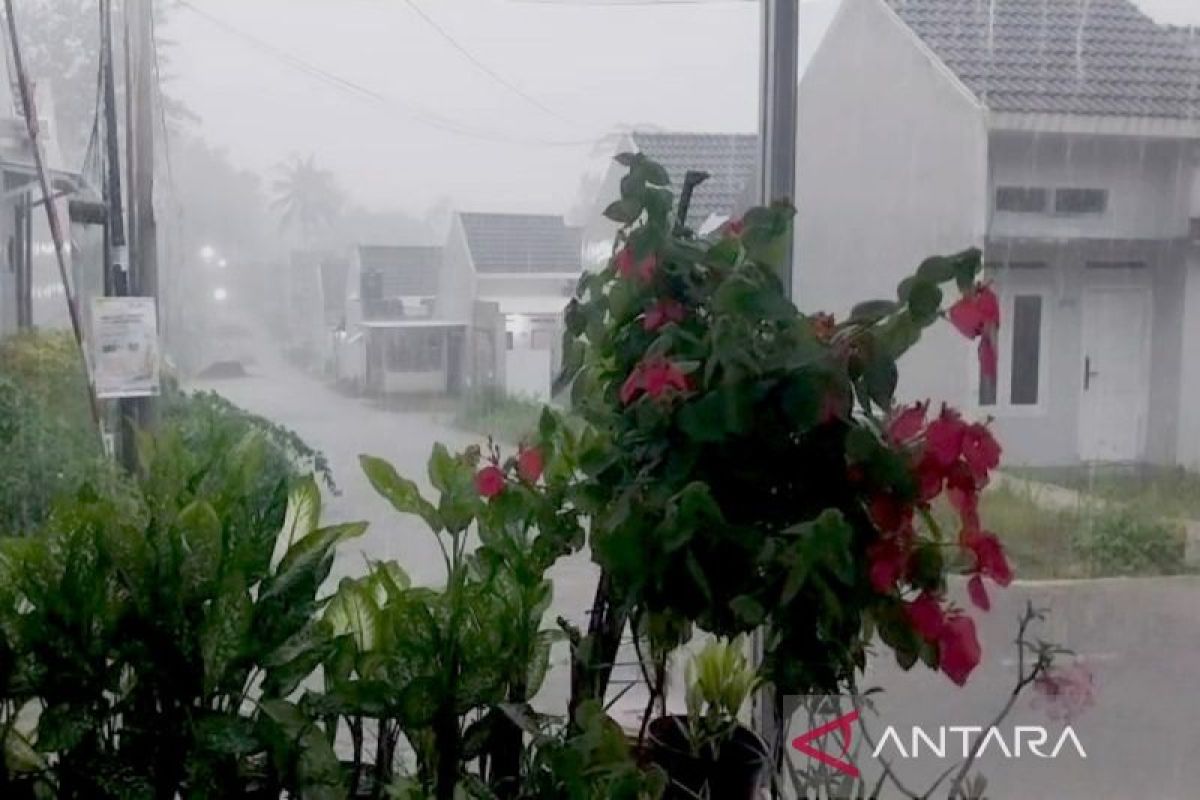
The National Disaster Mitigation Agency (BNPB) has urged regional governments to be on alert to respond to early warnings of potential extreme weather, including moderate to heavy rain accompanied by strong winds, which could affect 26 provinces in Indonesia. The early warning for extreme weather is valid until 26 June 2026, as issued by the Meteorology, Climatology, and Geophysics Agency (BMKG) on Wednesday (24/6). “Responding to the BMKG forecast, we are asking regional authorities to ensure drainage systems are functioning properly and to advise the public to avoid activities around river basins during heavy rain,” said Head of the BNPB Data, Information, and Communication Centre Abdul Muhari in Jakarta on Thursday. He explained that based on BMKG data, the areas included in the early warning map are Aceh, Banten, Bengkulu, Jakarta, Jambi, East Java, West Kalimantan, Central Kalimantan, North Kalimantan, Bangka Belitung Islands, Riau Islands, Lampung, Maluku, and North Maluku. Similar extreme weather potential is also predicted to threaten West Nusa Tenggara, East Nusa Tenggara, Riau, West Sulawesi, South Sulawesi, Southeast Sulawesi, North Sulawesi, and all of Papua (Papua, West Papua, South Papua, and Central Papua). According to him, the urgency of this preparedness was demonstrated by the flooding incident in Nanga Mahap District, Sekadau Regency, West Kalimantan, where the overflow of the Sekadau River due to heavy rain submerged 1,560 houses in water up to two metres deep before gradually receding. In addition to flood mitigation in wet areas, BNPB also reminded regions currently experiencing days without rain, such as West Lombok in West Nusa Tenggara (NTB), to optimise the management of clean water reserve distribution for affected residents. “For areas entering a dry phase, regional governments must manage water supplies wisely, and the public is expected to report immediately to the local BPBD if they experience disruptions in clean water supply,” he said.