
BNPB Simultaneously Tackles Drought and Tidal Waves in East Seram, Maluku
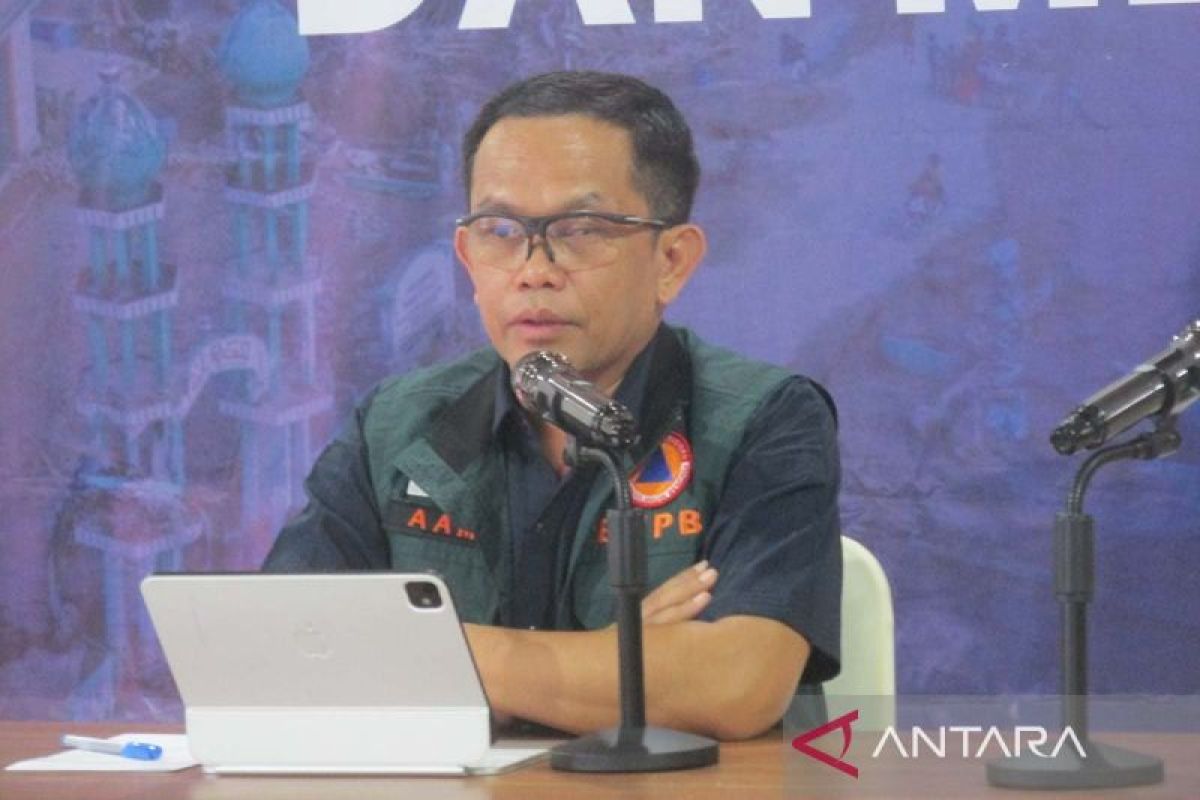
The National Disaster Management Agency (BNPB) has confirmed that emergency handling to overcome the impact of dual disasters—drought and tidal waves—in East Seram Regency, Maluku, is currently being carried out simultaneously.
Abdul Muhari, Head of the BNPB Disaster Data, Information, and Communication Centre, stated in Jakarta on Friday that this concurrent management approach is being implemented to accelerate physical recovery and meet the basic logistical needs of affected residents. He noted that the agency is conducting identification and rapid assessments, coordinating with government officials, and distributing water tankers and clean water.
Abdul explained that the rapid response team from the East Seram Regency Regional Disaster Management Agency (BPBD) has been deployed across crucial points to perform rapid assessments, identify damage, and distribute operational aid.
In the drought management sector, tactical steps are focused on the regular delivery and supply of daily clean water for tens of thousands of residents whose wells and river flows have dried up drastically. The seven priority areas for emergency clean water distribution include the administrative areas of Bula, West Bula, East Seram, Gorom Island, East Gorom, Kesui Watubela, and Teor Districts.
At the same time, emergency handling is also focused on recovering coastal areas hit by tidal waves caused by the increased speed of the eastern monsoon winds. Management in these coastal areas includes protection measures for 1,070 affected residents, as well as structural data collection for hundreds of residential buildings reported to have sustained damage from large waves.
According to emergency recapitulation data, the tidal waves have damaged 207 residential units, with a breakdown of 53 units categorised as heavily damaged and 154 units categorised as lightly damaged.