
BNPB Sets Eight Preparedness Measures for This Year’s Rainy Season
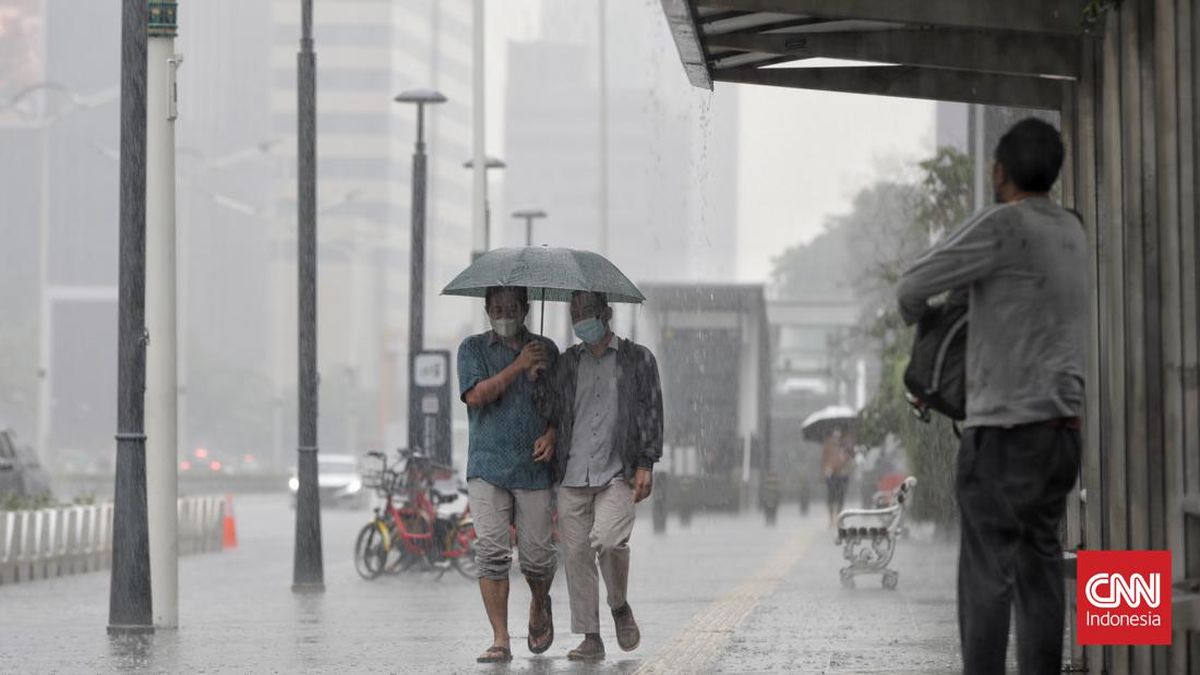
Indonesia’s National Disaster Management Agency (BNPB) has set out eight preparedness measures for the 2026/2027 rainy season.
The policy is contained in BNPB Chief Circular No. 4 of 2026 on preparedness measures for the 2026/2027 rainy season. Signed by BNPB Chief Lieutenant General Kristomei Sianturi on 30 October 2026, the circular was addressed to governors, regents and mayors across Indonesia.
The measures include mapping disaster-prone areas, preparing personnel and logistics, monitoring weather information, strengthening early warning systems and educating the public.
According to official information from the Meteorology, Climatology and Geophysics Agency (BMKG), issued on 2 October 2026, most parts of Indonesia will enter the rainy season in late 2026 and early 2027. This could increase the risk of hydrometeorological disasters such as floods, landslides, strong winds and high waves.
“Early preparedness is needed to save lives, minimise property losses and ensure that coordination and emergency response are fast, precise and integrated,” BNPB’s Head of Disaster Data, Information and Communication Centre, Berton SP Panjaitan, said in a statement on Sunday (1 November).
Berton said one of the main priorities was mapping areas vulnerable to hydrometeorological disasters. The mapping would draw on disaster risk assessment documents, contingency plans, the InaRISK portal, the Indonesian Disaster Information Data Portal (DIBI) and other official information sources.
“The results will provide a basis for determining preparedness needs and priorities in each region,” Berton said.
Preparing personnel, equipment and emergency response supplies is also part of the preventive measures. In addition, the Ready-to-Use Fund (DSP) can be optimised if necessary, following the declaration of a disaster emergency status.
Berton said monitoring was another priority, with regular checks of weather information and early warnings from BMKG to be stepped up.
“Analysis of disaster-prone areas needs to be carried out so that the information obtained can be disseminated through available communication channels and serve as a basis for the public to take preventive measures,” he said.
Disaster management coordination will follow a pentahelix approach involving government, communities, businesses, academics and the media. Keeping emergency response posts operational around the clock is also important to support coordination if an emergency occurs.
Berton said community-based preparedness education and outreach should be expanded. The material will cover self-evacuation procedures and the protection of vulnerable groups in the face of potential hydrometeorological disasters.
Risk reduction efforts will also include clearing drainage channels, river normalisation, inspecting flood-control facilities and repairing physical infrastructure. These measures are intended to reduce the potential impact of hydrometeorological disasters in each region.
As part of disaster management coordination, governors, regents and mayors, through provincial and district or municipal disaster management agencies (BPBD), are to submit regular reports to BNPB on developments and disaster incidents.
“The implementation of these measures is expected to improve regional preparedness for the 2026/2027 rainy season,” Berton said.
“Integration of government preparedness, support from various stakeholders, early warning systems and community participation is an important part of efforts to protect public safety,” he added.
Source: jawawa.id (https://jawawa.id/newsitem/bnpb-sets-eight-preparedness-measures-for-this-years-rainy-season-1793530305)
Originally published by CNN Indonesia (https://www.cnnindonesia.com/nasional/20261101144700-20-1422027/bnpb-tetapkan-8-langkah-antisipasi-hadapi-musim-hujan-tahun-ini), translated from Indonesian