
BNPB Requests Increased Funding for Flood Survivor Housing in Sumatra
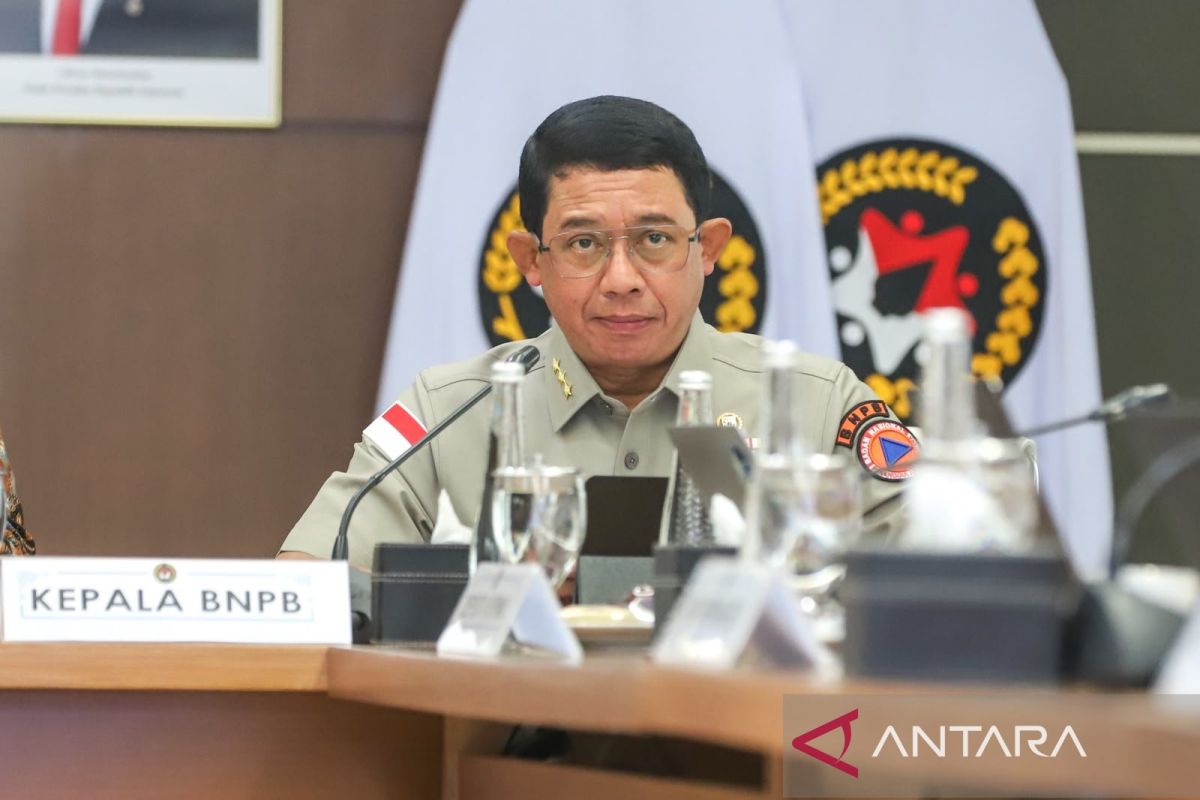
Jakarta (ANTARA) - The National Disaster Management Agency (BNPB) has requested an increased budget allocation for the construction of severely damaged houses for flood and landslide survivors in Aceh, North Sumatra, and West Sumatra to ensure the availability of decent and safe housing.
Speaking at a Ministerial-Level Meeting (RTM) in Jakarta on Thursday, BNPB Head Suharyanto stated that the proposed budget increase involves adjusting the value of the stimulus for severely damaged houses from Rp60 million to between Rp70 million and Rp80 million per unit.
“The adjustment of the stimulus for severely damaged houses is not merely an increase in aid value, but an effort by the state to ensure that disaster-affected communities obtain housing that is safe, decent, and resilient to risks,” he said.
Suharantyo explained that this proposal was prompted by monitoring results of the construction of permanent housing (huntap), both in-situ and through independent relocation, particularly for disaster victims in Aceh, West Sumatra, and North Sumatra.
BNPB reported that, based on evaluations of the previous budget ceiling, the Ready-to-Use Fund (DSP) of Rp60 million per unit was insufficient to meet the standards required for building sturdy houses capable of withstanding potential future disaster risks.
During the meeting, he detailed that this situation is also driven by the surge in building material prices, rising daily construction costs, and the high cost of logistical mobilisation to affected areas with limited geographical accessibility.
According to a review by the BNPB Inspectorate’s Internal Auditor (APIP), there are 19,646 permanent housing units included in the construction planning for Aceh, North Sumatra, and West Sumatra.
Suharyanto expressed optimism that if this adjustment scheme for the stimulus for severely damaged houses is processed further, the construction quality for survivors’ homes can be improved, ranging from the reinforcement of foundation structures, roof quality, and ceramic flooring to sanitation facilities.
“A uniform policy is expected to provide certainty, accelerate the rehabilitation and reconstruction process, and ensure fairness for all disaster-affected communities across Indonesia,” he added.