
BNPB Repairs Emergency Infrastructure in Sigi Following Earthquake
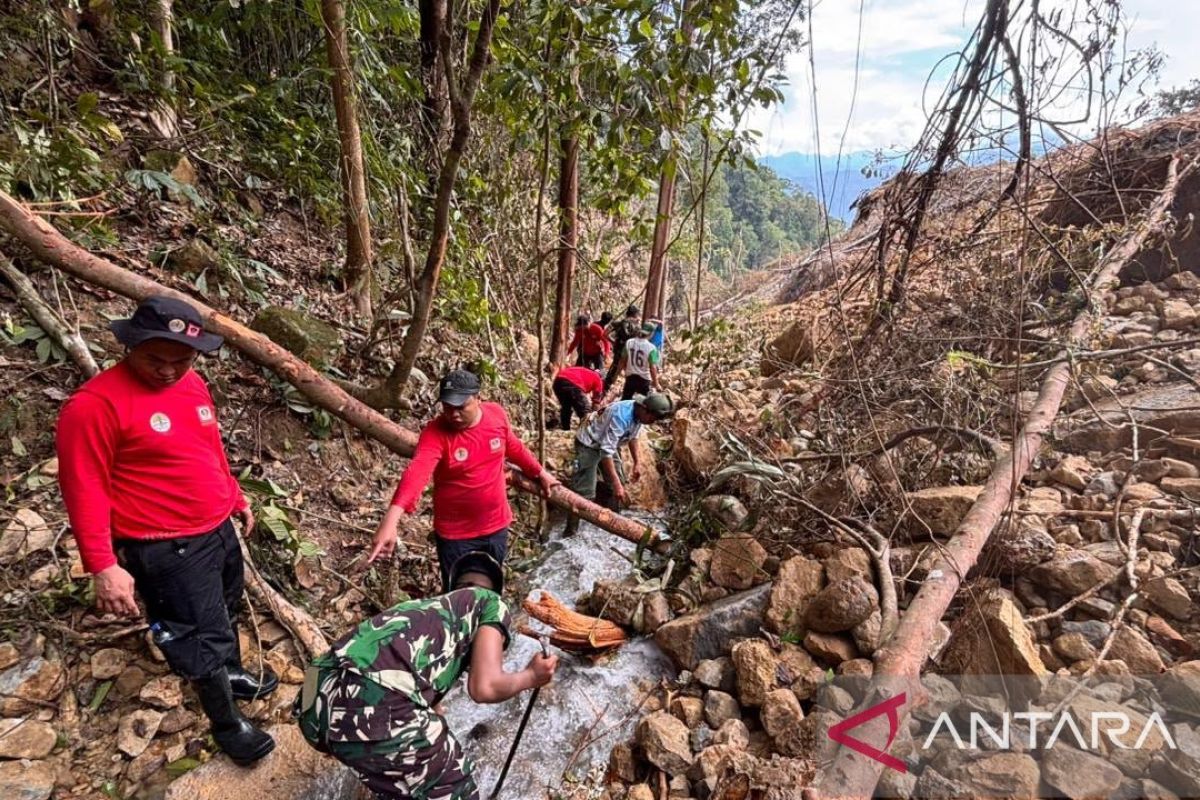
The National Disaster Management Agency (BNPB) has confirmed it is carrying out emergency infrastructure repairs, including the installation of gabions and the restoration of clean water networks, in Nokilalaki District, Sigi Regency, Central Sulawesi. Abdul Muhari, Head of the BNPB Data, Information and Communication Centre, stated in Jakarta on Thursday that the repairs are being supported by funding from the Central Sulawesi Provincial Budget. Sigi is an area affected by the earthquake, which has been followed by more than a thousand aftershocks since the main quake on 16 June 2026. In terms of further risk mitigation, a joint team used a water jet to open a natural dam formed by fallen wood and rock debris from the earthquake in the Mount Nokilalaki area, which had blocked the flow to the Kamarora River. To meet basic needs, the joint team continues to provide health services at posts, monitor residents’ independent evacuation sites, facilitate emergency tents for places of worship, and ensure sufficient logistical supplies during the emergency response period, which is active until at least 30 June 2026. To strengthen emergency support on the ground, the BNPB has also distributed Phase III aid in the form of equipment and logistics to the Kodam XXIII/Palaka-Wira, Korem 132/Tadulako, and the Central Sulawesi Regional Disaster Management Agency (BPBD). This Phase III assistance includes two field kitchen vehicles, 100 handy talkies, six refugee tents, two trail motorcycles with water pumps, 300 basic food packages, 200 family tents, 300 mattresses, and 300 blankets. The provisional breakdown of building damage includes 1,979 lightly damaged houses, 277 moderately damaged houses, and 277 heavily damaged houses, along with damage to 110 places of worship comprising 29 mosques and 81 churches. Other damaged facilities include 19 office buildings, including the Regent’s Office and the Regional Development Planning Agency (Bapperinda), 35 school buildings, 10 community health centres, two traditional houses, two clean water networks, and six other public facilities, which are still awaiting the results of technical structural assessments.