
BNPB Prepares 28 Air Fleet Units to Face 2026 Forest and Land Fire Threats
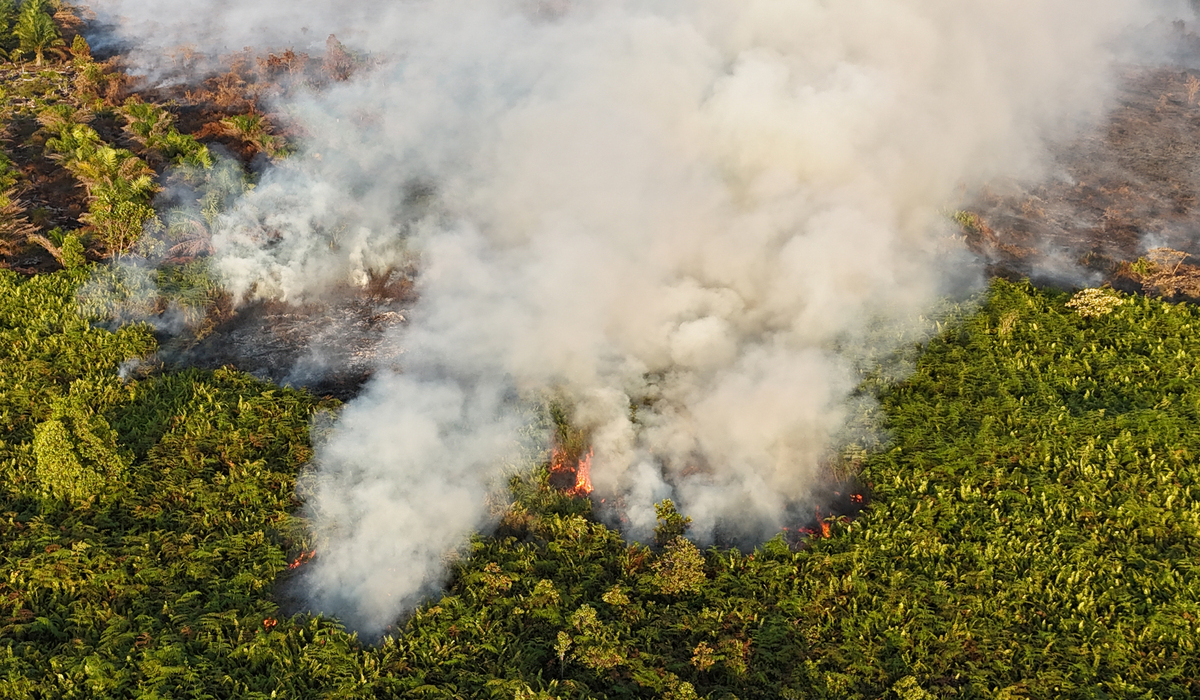
The National Disaster Management Agency (BNPB) is strengthening national preparedness to confront the potential for forest and land fires (karhutla) in 2026 by preparing at least 28 air operation fleets to be deployed in several high-risk areas.
This step is being taken in line with predictions of the 2026 dry season peak occurring from July to September, a period deemed most vulnerable to the emergence of hotspots.
BNPB Deputy for Emergency Response, Major General TNI Budi Irawan, stated that the fleet consists of 12 patrol helicopters and 16 water-bombing helicopters stationed in priority provinces such as Riau, Jambi, South Sumatra, West Kalimantan, Central Kalimantan, and South Kalimantan.
“The deployment of this air fleet can be increased according to the escalation of conditions on the ground,” he said during the 2026 Forest and Land Fire Control Coordination Meeting on Tuesday (7/4).
In addition to air operations, BNPB is also relying on ground operations and weather modification operations (OMC) as an integrated strategy for controlling karhutla. The combination of these three approaches is considered key to suppressing fire potential from the outset.
Several handling measures have also been implemented, including the distribution of funds, equipment, and logistics to vulnerable areas, as well as the implementation of OMC and support for air operation facilities.
BNPB is also preparing central and regional coordination meetings and readiness roll calls as part of strengthening the response.
On the other hand, BNPB emphasises the importance of the role of local governments in declaring an early emergency alert status so that central support can be mobilised immediately.
“Prevention efforts are also focused on routine patrols, community education, and the use of hotspot monitoring technology for early detection,” Budi revealed.
BNPB data shows that the area of burnt land is heavily influenced by global climate phenomena such as El Niño. In 2015, during a strong El Niño, the fire area reached around 1.8 million hectares.
That figure has declined in subsequent years, including in recent years, which has been in the range of tens of thousands of hectares.
Nevertheless, BNPB warns that the potential for karhutla must still be guarded against, especially when entering a long dry season.