
BNPB Overhauls Disaster Fund Governance After Alleged Corruption Uncovered
Indonesia’s National Disaster Management Agency (BNPB) is carrying out internal reforms over 100 days after the Corruption Eradication Commission (KPK) uncovered an alleged corruption case involving disaster emergency funds (DSP).
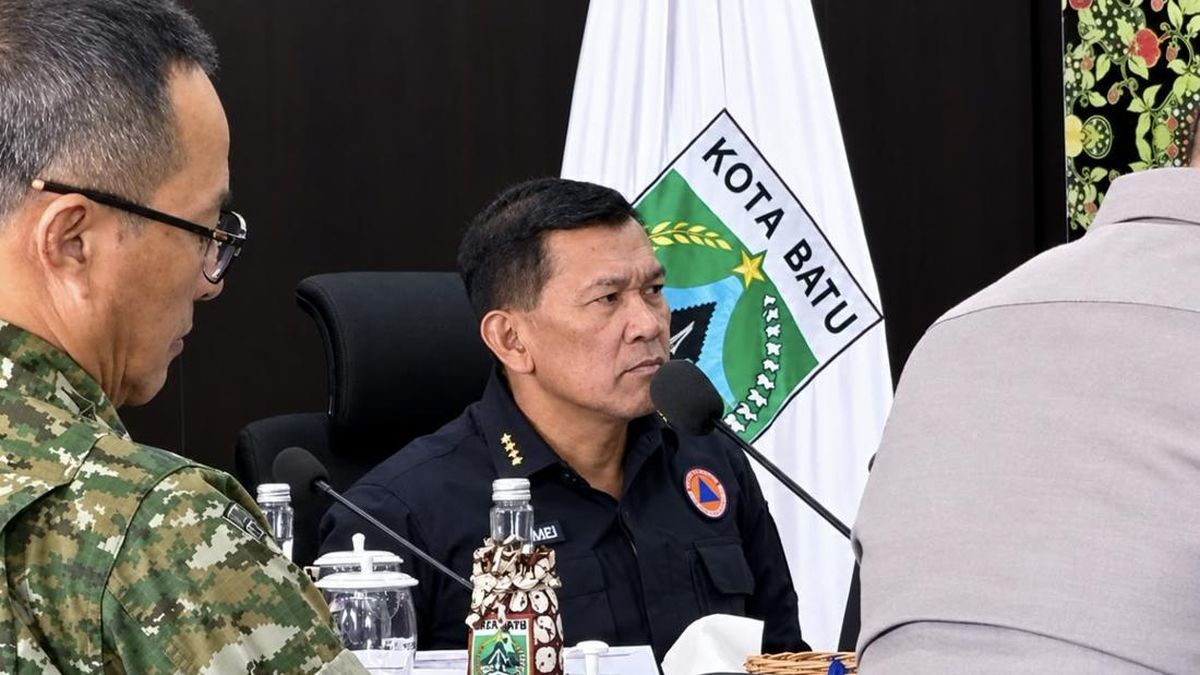
BNPB chief Lieutenant General Kristomei Sianturi said the internal consolidation programme has three main pillars: Clean, Prepared and Connected.
Under the Clean pillar, BNPB is conducting a comprehensive review of procurement procedures, budget use and financial accountability checks.
“Work procedures are also being tightened to make BNPB’s internal systems more transparent and accountable,” Kristomei said, according to a written statement on Friday (30 October).
Oversight is also being strengthened through BNPB’s Inspectorate General to ensure every rupiah allocated to disaster management is used for the benefit of the public and accounted for in accordance with applicable laws and regulations.
Under the Prepared pillar, BNPB is making contingency plans ahead of the peak rainy season, which is expected between December and February.
Kristomei said all disaster-response equipment, including pumps, boats and generators, would be taken out of BNPB and regional disaster agency (BPBD) warehouses for testing and condition checks. The equipment would then be moved to vulnerable regencies before the peak season.
To support these efforts, BNPB is maintaining close coordination with BPBDs, local governments and relevant ministries and agencies. The aim is to identify and address the needs of communities on the ground.
Under the Connected pillar, BNPB will develop a dashboard for its chief by bringing together existing systems rather than creating a new application.
The dashboard will centrally display attendance, assets, disaster status and collaboration data. A separate transparency dashboard will also allow the public to monitor information directly.
Kristomei said the 100-day programme also underscored the need to ensure emergency spending is clean and transparent.
“All these improvements are being made to restore public and state confidence in BNPB,” he said.
He added that services for people affected by disasters would continue without disruption from internal issues.
Kristomei said BNPB respected the ongoing legal process and would leave the handling of the case entirely to the KPK. He stressed, however, that the agency’s core public service responsibilities would not be affected.
“BNPB stresses that disaster response and services for affected communities must continue,” he said.
The KPK uncovered alleged corruption in the use of DSP funds allocated for forest and land fires in Kalimantan and Papua, a major earthquake in East Nusa Tenggara (NTT), and flood response in Aceh and Sumatra.
The commission has named five people as suspects: Bima Setiawan, a BNPB expert and younger brother of former BNPB chief Suharyanto; Richard Erlangga, an expert to the former BNPB chief; Gabriel Purwaka Sigit, head and commitment-making official of BNPB’s Subdirectorate for Emergency Aid and Fund Management; and private-sector figures Syifa Nrika Ghifarin and Gery Prasetiawan.
The suspects have been detained at the KPK detention centre for an initial 20-day period, from 14 October to 2 November 2026.
The KPK recently said it had written to the Indonesian Military (TNI) commander to notify him that two military personnel were suspected of involvement in the BNPB case. The commission hopes the TNI Military Police Centre (Puspom TNI) will follow up on the information.
The two individuals are reportedly former BNPB chief Suharyanto and a major general serving in one of the agency’s deputy posts.
Source: jawawa.id (https://jawawa.id/newsitem/bnpb-overhauls-disaster-fund-governance-after-alleged-corruption-uncovered-1793382664)
Originally published by CNN Indonesia (https://www.cnnindonesia.com/nasional/20261030224136-12-1421667/bnpb-benahi-tata-kelola-dana-bencana-usai-dugaan-korupsi-terbongkar), translated from Indonesian